
May 30 - The Trump administration on Friday launched an investigation into whether Vietnam’s policies and enforcement of intellectual property (IP) protections constitute unfair trade practices that might warrant new tariffs or other trade actions.
The U.S. Trade Representative’s office said Vietnam was named a priority country on April 30 "due to its persistent failure to resolve long-standing concerns about IP protection and enforcement." The notice opens a formal process that could lead to remedial trade measures.
In a statement, Trade Representative Jamieson Greer acknowledged that Vietnam has adopted some measures in recent years to tackle IP issues, but said infringement remains a problem for U.S. creators and innovators. "We need to see Vietnam resolve these long-standing concerns, including on a range of IP enforcement issues, in a manner that is sustained and that deters future IP infringements," Greer said.
Vietnamese officials did not provide an immediate comment in response to the announcement. Previously, Vietnam has urged the United States to provide "an objective and balanced assessment of Vietnam’s efforts and achievements" regarding IP protection.
The investigation follows a pattern of U.S. trade enforcement actions in which IP concerns have been central. During President Donald Trump’s first term, the U.S. Trade Representative used a Section 301 inquiry into China’s IP-misappropriation and technology-transfer practices to impose tariffs of 25% on hundreds of billions of dollars of Chinese imports. The current probe into Vietnam replicates the use of an investigative tool that can lead to significant trade measures.
Leif Schneider, head of international law firm Luther in Vietnam, said the country has "made substantial progress in modernizing its regulatory IP framework" over the last decade. He added that implementation has been the weak link: "Administrative enforcement remains uneven, penalties often lack deterrent effect, and online infringement continues to outpace regulatory capacity."
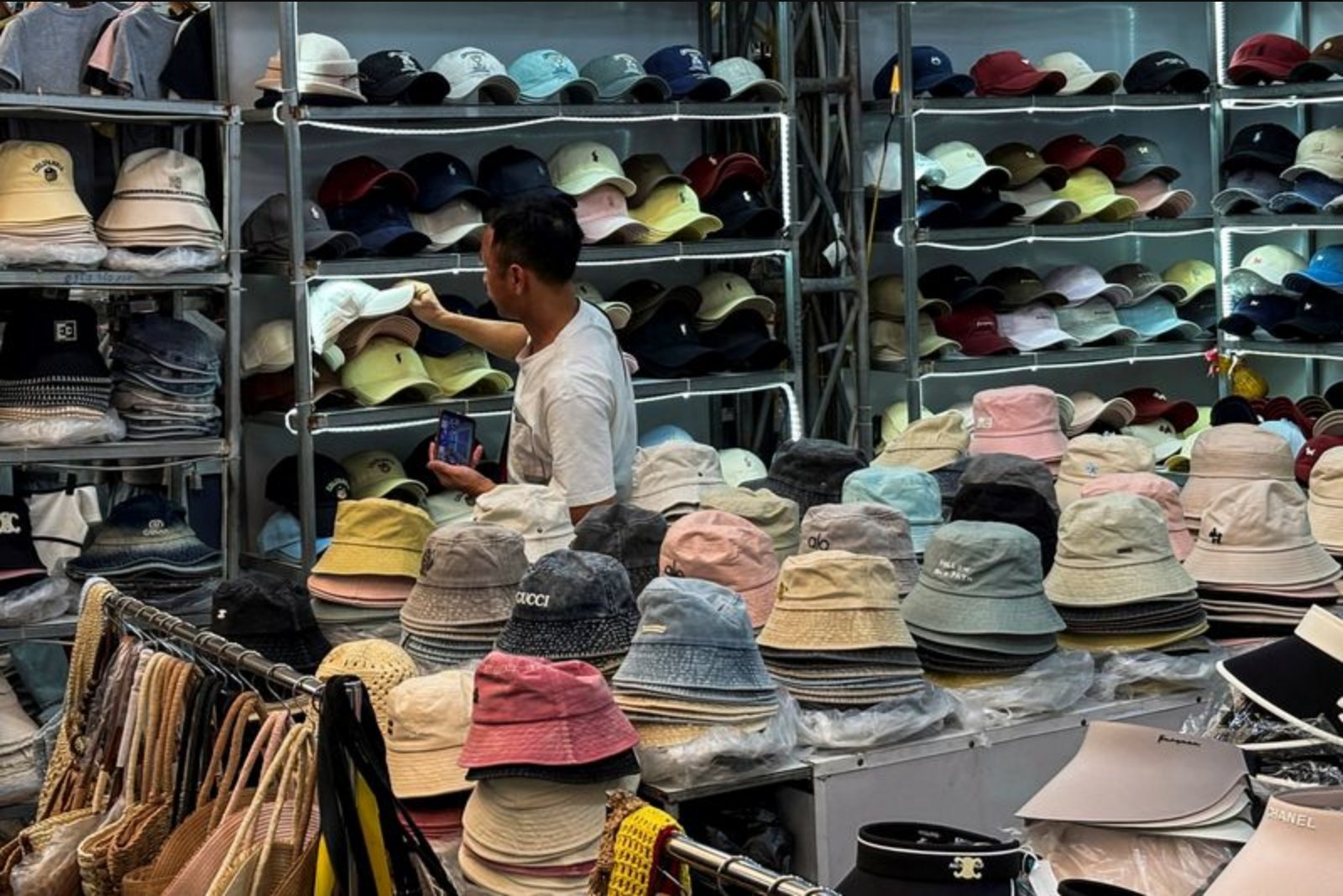
Recent reporting has highlighted examples of ongoing infringement. Counterfeit goods were readily available this week at a large wholesale market in Hanoi, and streaming websites operated from Vietnam continued to distribute pirated content despite a government crackdown launched earlier this month, Reuters reported.
Vietnam faced heightened trade scrutiny last year when the Trump administration imposed tariffs of 46% on certain imports from Vietnam; those rates have since been reduced to 10%. Separately, Vietnam has been in trade talks with Washington, its largest export market, for the past year.
The USTR said in a Federal Register notice that it has opened a docket for public comments on the matter, with submissions accepted through July 2.
Implications for markets and sectors
- Industries dependent on intellectual property protection - including technology, entertainment, and branded goods - are directly implicated by the investigation.
- Exporters and importers trading between the United States and Vietnam could face tariff risk or other trade measures if the probe leads to remedies.
- Legal and compliance service providers may see increased demand as firms assess exposure to any potential trade actions.