
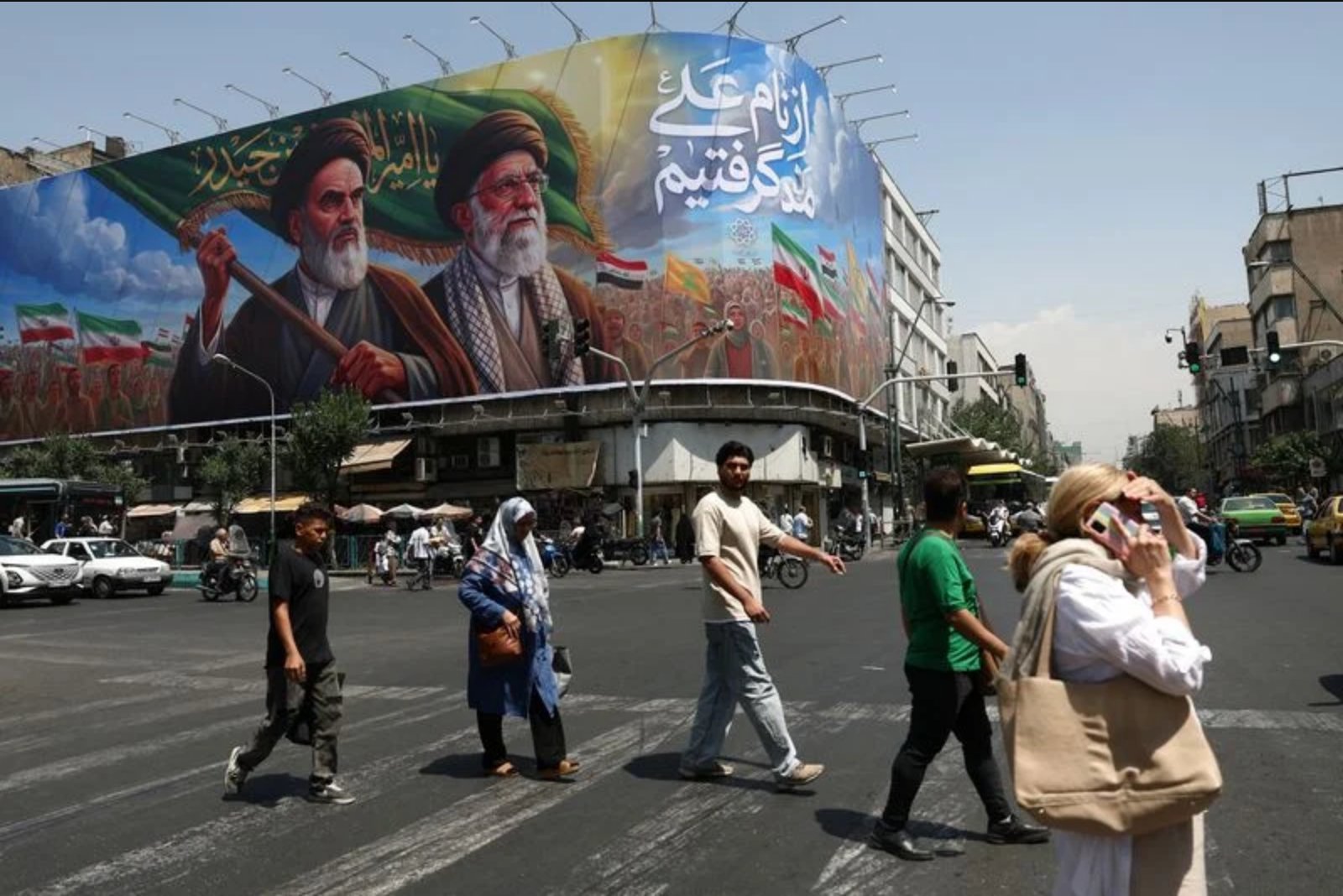
U.S. officials will seek to repurpose Iranian assets to finance reconstruction and repairs in Gulf states affected by Iranian attacks, according to a person familiar with the matter. The effort, announced on June 7, follows an escalation of strikes between Iran and U.S. forces and comes as Washington directs attention to damage assessments in allied countries.
The source said U.S. Treasury Secretary Scott Bessent has ordered a team to compile estimates for harm already inflicted on Gulf partners by Iran. That same source said the administration will consider tapping Iranian assets to fund repairs for existing damage as well as for rebuilding from any future attacks.
The public disclosure arrived a day after Mohsen Rezaei, an adviser to Iran’s supreme leader, told CNN that a peace agreement would depend on the release of $24 billion in Iranian assets the United States has held. The U.S. source did not identify the specific types of assets under review, and the descriptions used by officials did not appear to be limited strictly to assets currently frozen.
Efforts to negotiate a pause in hostilities appear to be faltering. A Pakistani minister traveled to Tehran on June 7 carrying a letter to Iran’s Supreme Leader Mojtaba Khamenei, Iran’s semi-official ISNA news agency reported, even as mediators seek to bridge differences between Washington and Tehran.
Military exchanges and damage assessments
The potential appropriation of Iranian assets adds a new point of contention to an already fragile ceasefire between the United States and Iran, which was strained again over the weekend by retaliatory strikes. U.S. forces carried out strikes on Iranian coastal radar installations in Goruk and Qeshm Island in the Strait of Hormuz early Saturday after shooting down drones that U.S. Central Command said posed a threat to maritime traffic.
Iran’s Revolutionary Guard reported it had hit U.S. bases in Kuwait and Bahrain in retaliation, while Kuwaiti authorities said their military engaged seven ballistic missiles that passed over residential areas, causing material damage but no casualties. In Bahrain, civil defense sirens were sounded and residents were urged to seek shelter. Both Kuwait and Bahrain issued condemnations of the strikes.
Iran later maintained it had struck U.S. bases in both countries with ballistic missiles. U.S. military officials said six missiles were intercepted and a seventh did not reach its intended target.
Negotiations, demands and regional pressure
Washington and Tehran have been conducting predominantly indirect conversations aimed at an interim agreement to end what the source described as a three-month-old war, leaving more complex questions - such as those surrounding Iran’s nuclear program - for later rounds. But a comprehensive deal has remained out of reach as the two sides continue to clash.
Iran’s negotiating demands, as relayed in the ongoing discussions, include access to large sums of oil revenue, exemptions on sanctions that constrain its crude exports, the removal of a U.S. blockade of Iranian ports and strengthened leverage over the Strait of Hormuz. The source material states that Iran has effectively blocked the waterway, which previously carried roughly one-fifth of global oil traffic before the outbreak of hostilities.
Officials in Tehran reported that Pakistani Interior Minister Mohsin Naqvi arrived in Tehran on Saturday for talks with Iranian leaders, including Foreign Minister Abbas Araqchi, and that he carried a "special letter" from Pakistan’s army chief and prime minister to Iran’s Supreme Leader, ISNA said.
Domestic U.S. political pressures
Domestically, President Trump faces mounting political pressure linked to rising gasoline prices and public fatigue over a war described in the source as unpopular. In remarks to NBC’s "Meet the Press," excerpts of which were released by the network, he said that while most of Iran’s drone and missile production infrastructure had been destroyed, Tehran still retained access to roughly a fifth of its missile inventory.
"They have some missiles, they have some drones. I would say percentage wise, maybe 21% to 22% of their missiles. It’s a lot of missiles, but it’s not what it was when we first attacked," he said in the excerpts.
Broader regional fallout and disruptions
The war, which the source traces to operations launched by the U.S. and Israel against Iran beginning on February 28, has prompted Iran to target Gulf states hosting U.S. forces and to severely curtail shipping through the Strait of Hormuz. The conflict has contributed to higher oil prices and has disrupted supply chains for other goods, including humanitarian aid.
Despite declared ceasefires in some theatres, fighting has continued in other parts of the region. In southern Lebanon, the Lebanese army reported that an Israeli strike on a military vehicle killed two officers and one soldier; Israeli authorities said they were investigating the incident. Tehran has made a ceasefire in Lebanon - between Israel and Iran-aligned Hezbollah - a condition for any deal with Washington.
Separately, Lebanon’s military said its commander, General Rudolf Haykal, traveled to Pakistan at the invitation of his Pakistani counterpart. Washington and Lebanese political leaders had previously emphasized that ceasefire talks for Lebanon should remain distinct from U.S.-Iran negotiations mediated by Pakistan.
Hezbollah's deputy leader Naim Qassem this week rejected a U.S.-brokered arrangement between Israel and the Lebanese government intended to halt fighting in Lebanon. The pact did not call for an Israeli withdrawal and did not include Hezbollah as a negotiating party. Israel has said it will not pull back its forces or suspend operations while tensions with the United States rise.
Outlook and next steps
Officials in Washington are weighing the legal and logistical implications of redirecting Iranian assets - whether frozen or of other types - to cover the costs of repairs and reconstruction for Gulf allies. At the same time, mediators continue shuttle diplomacy, with Pakistan playing a visible role in carrying messages between Tehran and other parties. The unfolding mix of military action, diplomatic outreach and potential financial reallocation is likely to shape the next phase of negotiations, even as the parties remain at odds over key demands and the war's broader consequences.