
LONDON, June 5 - The U.S. State Department has intervened in a heated British political dispute surrounding the fatal stabbing of a student, denouncing what it termed "ideological conditioning and two-tiered policing" and calling those trends "glaring symptoms of civilizational decline." The statement, posted on X by the U.S. department, added: "They must be rejected across the West." It also extended condolences to the family of the victim and to the people of the United Kingdom.
The case relates to the death last year of Henry Nowak, an 18-year-old white man who was handcuffed by officers while he lay dying from stab wounds after his attacker falsely alleged that he had been the victim of a racist assault. Video footage that has circulated widely showed Mr. Nowak repeatedly telling officers that he had been stabbed and could not breathe, while apparent claims of a racist attack reportedly influenced the initial police response.
The man who attacked Nowak, described in official reports as a Sikh man, was sentenced on Monday to life imprisonment. The sentencing has intensified public scrutiny of the circumstances around Nowak's treatment by police at the scene and of broader operational guidance for officers.
Footage of the incident prompted questions about why officers appeared to accept the allegation of racism and did not act on Nowak's urgent pleas. Those images have fuelled widespread anger and a broader argument, amplified by populist political leader Nigel Farage and tech billionaire Elon Musk, that Britain now experiences a form of "two-tier policing" in which fears of being accused of racism lead to differential treatment of ethnic minorities compared with white citizens.
"Ideological conditioning and two-tiered policing are glaring symptoms of civilizational decline," the U.S. State Department wrote. "They must be rejected across the West. The United States sends our condolences to the family of Henry Nowak and the people of the United Kingdom at this troubling time."
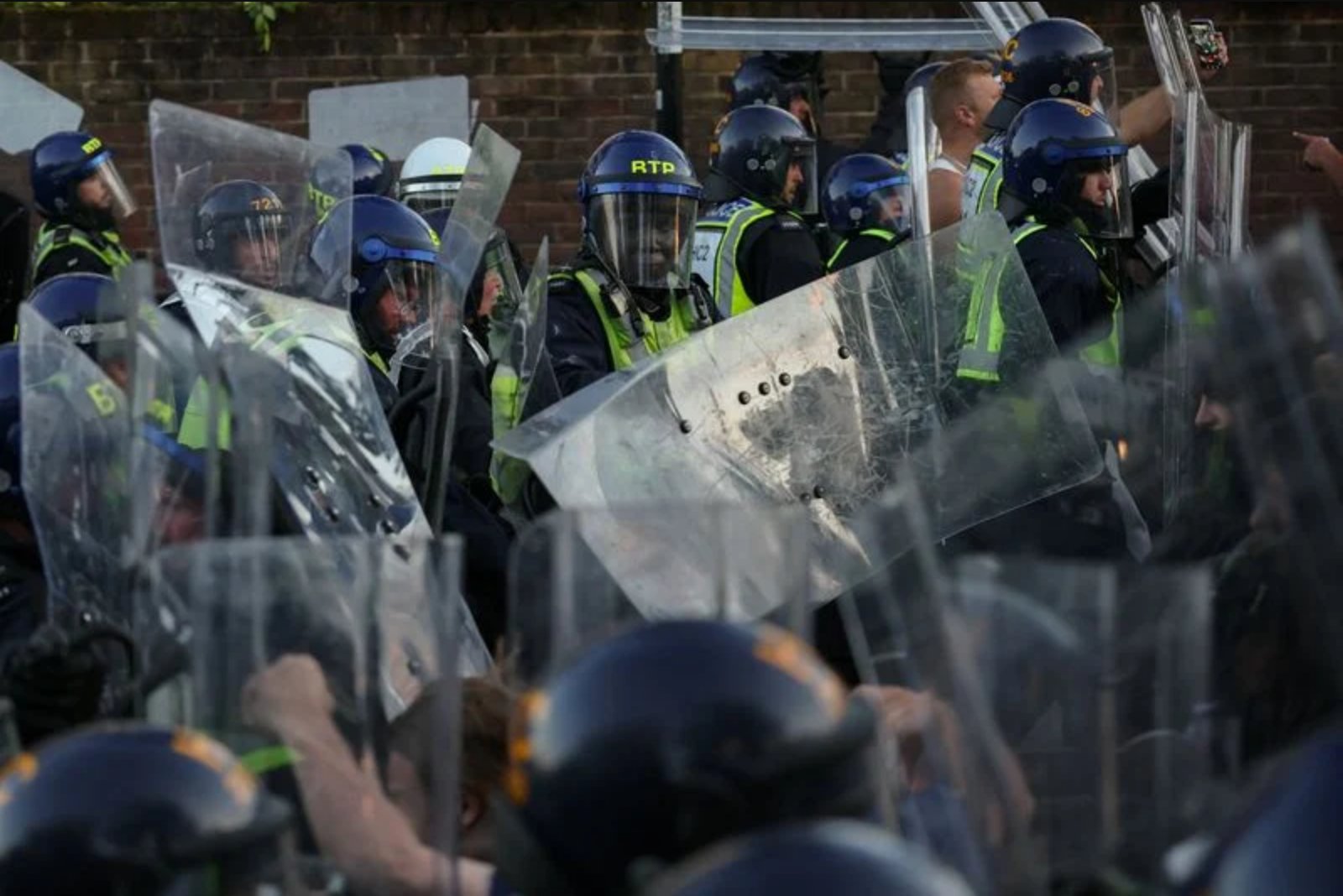
Prime Minister Keir Starmer said police face serious questions about how they handled the incident, including the extent to which allegations of racism shaped officers' decisions. An investigation into the police response is under way. The prime minister also condemned a violent and disorderly protest that followed the verdict, calling it "unforgivable" to exploit the death to stir tension after Nigel Farage urged people to respond with "pure cold rage."
Mr. Starmer further told Elon Musk to stop interfering in British politics after the tech executive posted repeatedly about the case and argued it demonstrated bias against white people in Britain.
The local police force has rejected accusations of bias. However, police chiefs said they would review existing guidelines that were originally established in response to decades of documented racism in policing. Those guidelines address how officers should approach and treat people of different ethnicities.
Nowak's family, who met privately with the prime minister on Thursday, described the way he was treated by police as "inhumane and degrading," and urged that his death should not be used to incite "further division, hatred or tension."
Deputy Prime Minister David Lammy, speaking to Sky News on Friday, welcomed the U.S. government's expression of condolences to the Nowak family but said he did not recognise "this caricature of Britain having a two-tier criminal justice system." His comments reflect an attempt by senior officials to acknowledge grief while rejecting an oversimplified depiction of institutional bias.
The case has become a flashpoint that combines questions about police conduct, political mobilisation and the role of social media figures in amplifying contentious narratives. Authorities continue to investigate the police response, and national debate about the incident remains highly charged.