
World May 23, 2026 12:09 AM

U.S. Arms Sales to Taiwan Not Linked to Iran Conflict, Source Says

Administration deliberations and Senate remarks spark confusion as Taipei awaits approval of a multi-billion-dollar package

By Leila Farooq

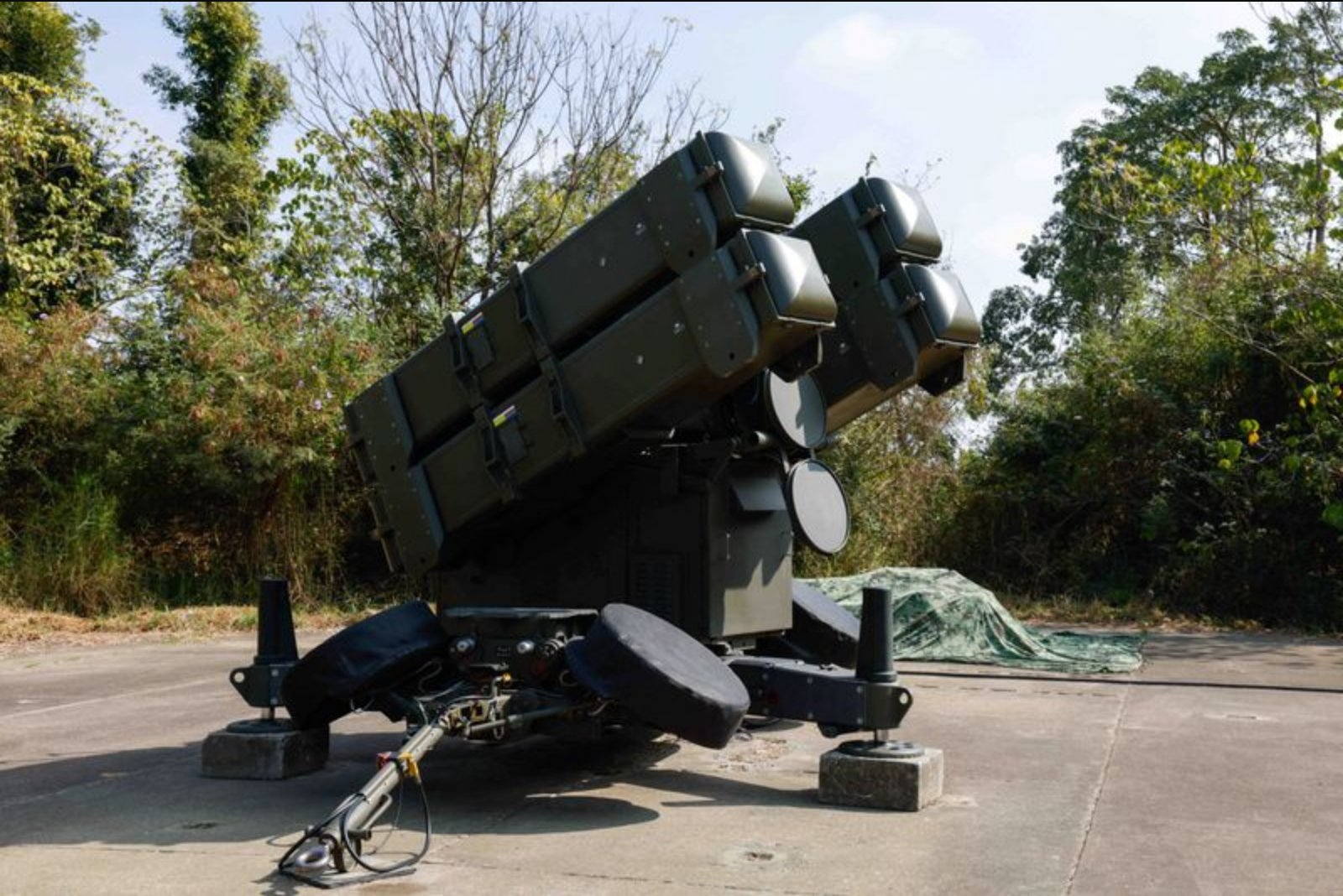
A U.S. source familiar with the matter says long-running arms sale processes to Taiwan are separate from the campaign against Iran, contradicting comments by a senior U.S. official that suggested a pause was to preserve munitions for the conflict. Taipei continues to await approval of a potential sale reportedly worth as much as $14 billion, while U.S. policy toward Taiwan has been described as unchanged.

U.S. Arms Sales to Taiwan Not Linked to Iran Conflict, Source Says

Key Points

  • U.S. source says arms sales to Taiwan take years to process and are not related to the conflict with Iran - impacts defense procurement and geopolitical risk assessment.
  • Acting U.S. Navy Secretary indicated a pause to ensure munitions were available for Operation Epic Fury, prompting questions about timing and resource allocation - affects defense supply chains and military budgeting.
  • Taiwan has not been formally notified of any delay and the U.S. maintains that its Taiwan policy is unchanged under the 1979 Taiwan Relations Act - relevant to regional security and defense contractors.

May 23 - A source close to U.S. deliberations said arms transfers to Taiwan typically require years to process and are not connected to the war involving Iran, responding to comments that suggested a temporary halt so the United States could conserve munitions for that campaign.

The dispute in messaging followed remarks by a senior U.S. official before a Senate Appropriations Defense Subcommittee, where the acting U.S. Navy Secretary stated there was a pause on arms sales to Taiwan to ensure adequate supplies for Operation Epic Fury, the named attack on Iran. That comment came amid an ongoing pause in approval for a Taiwan package that has been reported to be as large as $14 billion.

Separately, the source familiar with the arms sale process emphasized that these transactions are lengthy and independent of the operations in the Middle East. The source said the United States has sufficient munitions, ammunition, and stockpiles to meet President Trump’s strategic objectives and more, and reiterated that the sales are unrelated to Operation Epic Fury - the war launched in February by the U.S. and Israel.

President Trump added to uncertainty in Taipei when, after meeting China’s president earlier this month, he said he had not yet decided whether to approve the package. The U.S. remains bound by the 1979 Taiwan Relations Act to provide Taiwan with the means to defend itself, and officials have said policy toward Taiwan has not changed since the presidential meeting.

Taipei’s government stated on Friday that it had not been informed of any delays to U.S. arms sales. Meanwhile, Beijing continues to press the U.S. to halt such transfers; China considers Taiwan part of its territory, a claim rejected by Taiwan’s government, which maintains that only the Taiwanese people can determine their future.


Contextual note: The transfer process, statements by U.S. officials, the presidential comment, and reactions by Taipei and Beijing are the elements that have driven recent public attention. Questions over timing and messaging have created diplomatic sensitivity, but officials cited by a source have asserted that U.S. military stockpiles are adequate for multiple strategic priorities.

End of report.

Risks

  • Political and messaging uncertainty around the approval could affect defense contractors and suppliers awaiting the potential $14 billion package - impacts the defense sector and procurement planning.
  • Divergent public statements by U.S. officials risk diplomatic friction between Washington, Taipei, and Beijing, which could influence regional stability and investor sentiment in related markets.
  • Perceptions of munitions allocation tied to other conflicts could create doubts about supply prioritization for allies, affecting long-term defense relationships and market confidence in defense stocks.

More from World

Zelenskiy Invites Putin to Direct Talks in Open Letter, Proposes Ceasefire During Negotiations Jun 4, 2026 Zelenskyy Calls for Direct Talks With Putin, Offering Ceasefire During Negotiations Jun 4, 2026 Putin Says Russia Will Prevail if Needed, But Offers Diplomacy Backed by Unspecified Compromises Jun 4, 2026 Steering Board Fails to Name Successor to Bosnia’s High Representative Jun 4, 2026 Why U.S.-Brokered Truces Have Not Halted Fighting Across the Middle East Jun 4, 2026