
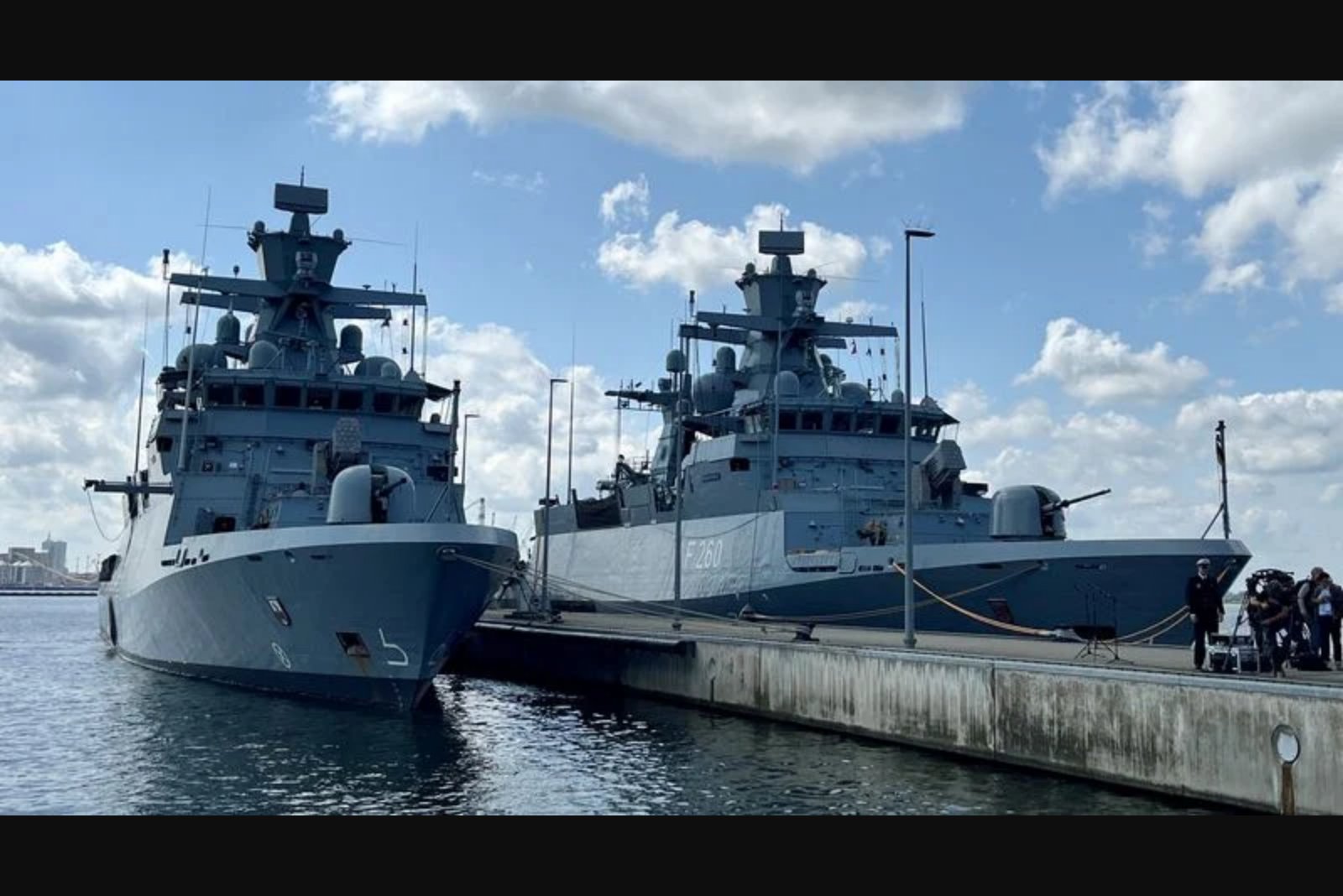
The United States and NATO allies will carry out a scaled-back version of their annual BALTOPS naval exercises in the Baltic Sea from June 4 to June 20, officials said, adjusting the size of the manoeuvre because warships are committed to other regions. Despite a smaller force compared with last year, the exercise is intended to demonstrate allied cohesion and to practise protecting critical maritime supply routes.
This iteration of BALTOPS will unite about 20 vessels from 15 nations and involve around 6,000 personnel - approximately half the scale of the previous year’s exercise. Military planners attribute the reduced footprint to operational realities, noting that Western navies have ships engaged in other areas such as the Strait of Hormuz and the Arctic, which limits available assets for the Baltic exercise.
Washington will still provide the flagship Mount Whitney for the manoeuvre. The exercise remains the largest naval drill planned for the Baltic Sea this year, and officials stressed that the smaller size should not be read as a decline in commitment. The drill comes amid persistent tensions in the region and follows months of public criticism of NATO from U.S. President Donald Trump and proposed reductions in U.S. commitments to the alliance.
German Rear Admiral Stephan Haisch, who commands the multinational Task Force Baltic, said the exercise carries political meaning because of its timing. "In this period, it is a sign of the alliance’s strength, that a major exercise is being conducted, under U.S. leadership, with broad NATO participation," he said. "It is a sign of the alliance’s unity and strength, and I am speaking of all allies here."
Germany established the multinational naval headquarters in the coastal city of Rostock in 2024 to focus on the Baltic area as tensions with Russia increased. As Commander Task Force Baltic, Haisch oversees that headquarters, which is capable of leading NATO operations in the Baltic Sea during a conflict with Russia and will carry out command responsibilities for the upcoming BALTOPS exercise, which is traditionally planned by the United States.
The exercise will start with manoeuvres in the western Baltic before shifting eastward to practise resupply and protection of open sea routes around the Swedish island of Gotland. Rehearsing those operations is a central NATO task, officials said, because open sea lines of communication are essential for military logistics and commercial shipping, particularly for supplying the Baltic states which are connected to NATO’s mainland only by a narrow land corridor.
"Free sea lines of communication - that is central," Haisch said, underlining the need to protect both military supply chains and civilian trade routes. Training around Gotland is intended to ensure the alliance can sustain resupply and movement by sea if needed.
On the question of Russian activity in the region, Haisch said he did not expect Moscow to cross the threshold that would invoke NATO’s collective defence clause, Article 5. "I would assume Russia to stay below the Article 5 threshold if they seek to test us," he said, reflecting an assessment that Russia may probe or test allied responses without triggering the alliance’s mutual defence obligation. Tensions therefore remain elevated, even if a full collective defence response is not anticipated.
Officials emphasised that the smaller scale of this year’s BALTOPS is driven by competing commitments in other theatres rather than a withdrawal of support for NATO’s Baltic posture. Even reduced in size, the exercise is positioned as the principal maritime rehearsal for the Baltic Sea in 2026 and as a demonstration of multi-national coordination under U.S. leadership.
Summary
The U.S.-led BALTOPS exercise will run June 4-20 in the Baltic Sea with about 20 ships, 15 nations and roughly 6,000 personnel - about half the size of last year. The reduction reflects naval commitments elsewhere, yet the exercise aims to practice resupply operations around Gotland, protect sea lines vital to the Baltic states and signal allied unity, with Germany’s Rostock-based Task Force Baltic in command and the U.S. flagship Mount Whitney participating.