
World June 2, 2026 08:28 AM

UN agency warns Gulf tensions, higher transport costs are disrupting lifesaving aid for children

Shipping route insecurity and port congestion push UNICEF toward costly airlifts, delaying vital supplies by weeks to months

By Maya Rios

The U.N. children’s agency says transport cost inflation and supply chain bottlenecks tied to the Middle East crisis are jeopardizing deliveries of essential aid to children. Increased fuel and insurance costs around Gulf shipping lanes, congestion at alternate ports and longer reroutes are forcing the agency to rely more on air freight and cut into logistics budgets, creating delivery delays that range from weeks to as much as six months.

UN agency warns Gulf tensions, higher transport costs are disrupting lifesaving aid for children

Key Points

  • Heightened insecurity around Gulf shipping routes has elevated fuel prices and insurance premiums, affecting maritime logistics and energy-linked transport costs.
  • UNICEF is increasingly using air freight after nearly exhausting annual donated charter flights in Q1; this shift is raising transport budgets and affecting humanitarian supply chains.
  • Delivery timelines have lengthened - from four to six weeks in some instances up to estimated delays of six months - with rerouting around the Cape of Good Hope adding two to four weeks.

GENEVA, June 2 - The United Nations children’s agency cautioned on Tuesday that a spike in global transport costs and disruptions to supply chains connected to the Middle East crisis are putting the delivery of lifesaving supplies for children at risk.

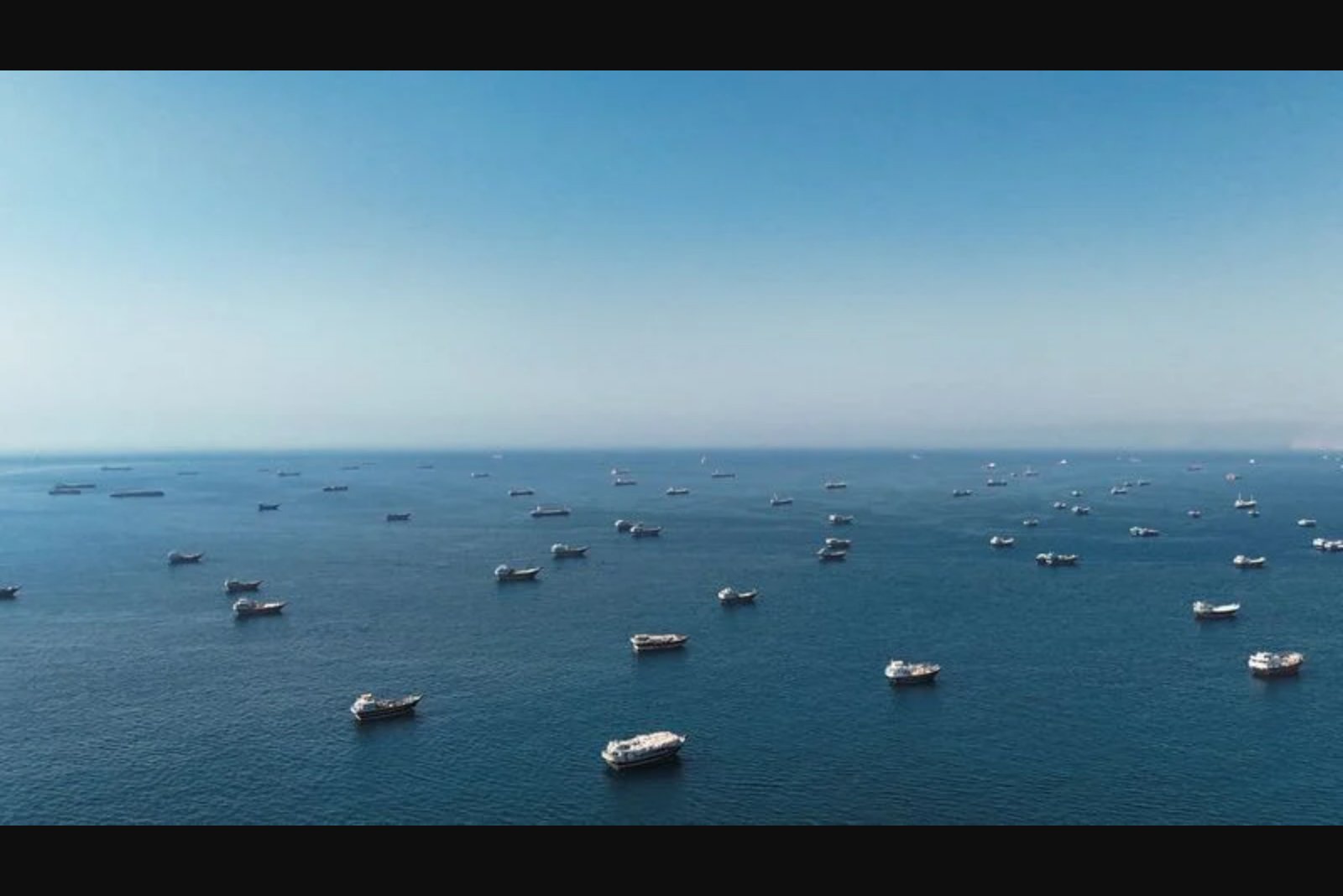
Nearly 100 days after the outbreak of the Iran war, the agency said rising insecurity around crucial Gulf shipping lanes has pushed up fuel prices and insurance premiums. That pressure, combined with congestion at alternative ports, has compounded delays and complicated humanitarian logistics.

UNICEF officials reported a growing dependence on air freight to move supplies. In the first quarter alone, the agency nearly exhausted the yearly contributions it normally receives from logistics partners that donate charter flights, as it sought to fly supplies into Lebanon and Gaza to offset shipping delays of up to four to six weeks. "That is unprecedented," Jean-Cedric Meeus, UNICEF's Chief of Global Transport and Logistics, told reporters.

The agency is also turning to air transport in its response to the Ebola outbreak in the Democratic Republic of the Congo, citing persistent congestion at the ports of Mombasa and Dar es Salaam.

UNICEF estimates that some delivery timelines have extended to as much as six months. Meeus said that rerouting shipments around the Cape of Good Hope - a longer alternative to transiting Gulf routes - is adding two to four weeks to delivery schedules.

These shifts are having measurable budgetary consequences. In Mali, UNICEF reported a 36% increase in its transport budget in the first quarter of this year, forcing choices between maintaining supplies of Ready-to-Use Therapeutic Food cartons and funding other programs such as water and sanitation. The cost of trucking therapeutic food cartons from manufacturers in Kenya to destinations including Somalia, South Sudan, and the DRC has risen by 30%.

In one example of the rising cost burden on health campaigns, the agency said it paid an additional $200,000 to reroute syringes for a polio vaccination drive in Nigeria, reflecting a 56% increase in transport costs for that shipment.


Bottom line: Heightened risk along Gulf shipping routes, higher fuel and insurance costs, and port congestion are driving UNICEF to more expensive transport modes and creating substantial delivery delays that are straining program budgets and forcing trade-offs among lifesaving interventions.

Risks

  • Budgetary strain on humanitarian programs - increased transport costs have forced trade-offs in program delivery, such as potential cuts to Ready-to-Use Therapeutic Food or water and sanitation services (impacts humanitarian and health sectors).
  • Operational delays in vaccination and outbreak responses - higher transport costs and rerouting have already required expensive changes to shipment plans, exemplified by a $200,000 reroute for syringes in a polio campaign in Nigeria (impacts public health and logistics sectors).
  • Logistics bottlenecks from port congestion and longer sea routes - congestion at ports like Mombasa and Dar es Salaam and rerouting around the Cape add weeks to shipments, affecting supply chains and maritime trade.

More from World

Colorado Appeals Court Orders New Trial for Paramedics in Elijah McClain Death Jun 4, 2026 U.S. Treasury Adds Cuban President Miguel Diaz-Canel to Sanctions List Jun 4, 2026 Zelenskiy Invites Putin to Direct Talks in Open Letter, Proposes Ceasefire During Negotiations Jun 4, 2026 Zelenskyy Calls for Direct Talks With Putin, Offering Ceasefire During Negotiations Jun 4, 2026 Putin Says Russia Will Prevail if Needed, But Offers Diplomacy Backed by Unspecified Compromises Jun 4, 2026