
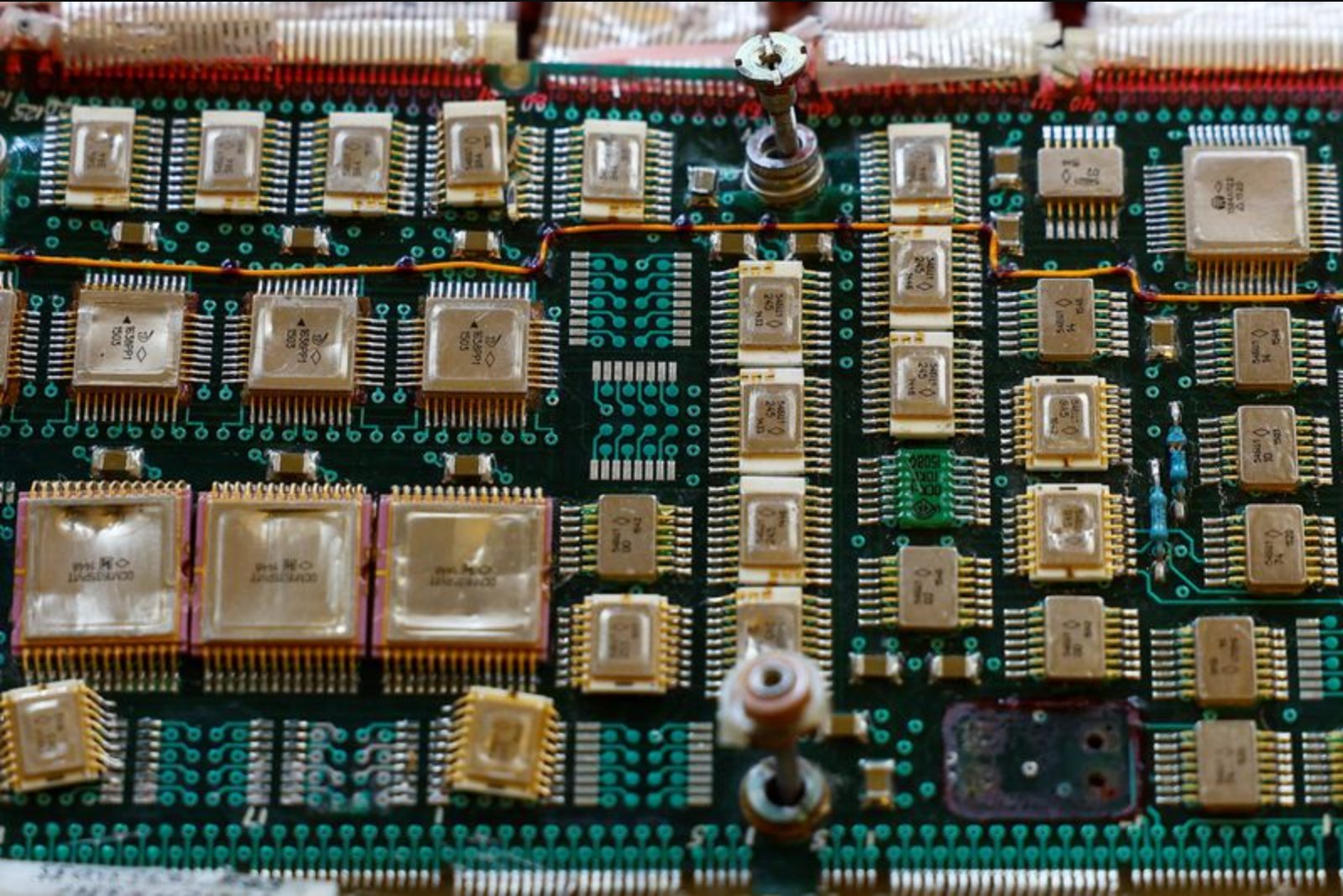
Ukrainian missile forensics specialists reported on Friday that an Oreshnik missile recovered after a January strike was assembled in 2017 using parts produced in Russia and Belarus, challenging public claims that the weapon is an entirely new system.
The Oreshnik - first deployed by Russia in 2024 - is described by Moscow as a nuclear-capable missile with a range exceeding 5,000 km (3,100 miles). Russian President Vladimir Putin has said the weapon cannot be intercepted, although many Western analysts have expressed skepticism about that assertion.
Debris recovered from the limited number of Oreshniks fired during the conflict has provided Kyiv with material evidence to examine the missile's construction and components. Ukrainian authorities assess the Oreshnik to be a modernised iteration of the RS-26 Rubezh, an older missile whose first successful test launch took place in 2012.
At a public presentation displaying electronics retrieved from Russian missiles and drones, a Ukrainian missile forensics expert identified only as Petro said the Oreshnik fragment package examined dated to a 2017 assembly and incorporated components produced in 2016 or earlier. Petro said all the parts examined were manufactured in either Russia or Belarus.
"We were rather surprised, because they say that this is a very new missile, but if you look at the year of assembly, it says 2017," the expert said.
Ukrainian officials say Russia has used the Oreshnik at least three times during the war. One strike hit a town near Kyiv amid a heavy air assault on May 24. Vladyslav Vlasiuk, a sanctions adviser to Ukrainian President Volodymyr Zelenskiy, reported that the surviving electronics shown at the presentation were recovered from an Oreshnik that struck the western city of Lviv in January. Vlasiuk added that debris from a more recent Oreshnik strike this month remains subject to analysis.
Investigators are also tracking changes in component sourcing. Vlasiuk said Ukrainian analysts have observed a greater degree of substitution of Western missile components with Chinese parts, a change he described as appearing to be a "forced" substitution.
Western governments have put in place restrictions on the export of electronics that could be repurposed for missile use. Despite those controls, Western-manufactured chips continue to be discovered in Russian missiles and drones, often arriving via illicit supply chains. Kyiv has repeatedly urged Western partners to strengthen enforcement against the flow of electronic components to Russia.
The examination of Oreshnik fragments and related electronics is ongoing. Ukrainian investigators continue to study material recovered from successive strikes to build a clearer picture of the missile's origins, component provenance, and any shifts in sourcing strategies.
Contextual note: The information above reflects Ukrainian forensic findings and official assessments disclosed at the presentation of recovered missile and drone electronics. Analyses and investigations into additional debris are continuing.