
WASHINGTON, May 18 - President Donald Trump said on Monday that there was a "very good chance" the United States could reach an agreement with Iran that would prevent Tehran from obtaining a nuclear weapon, after he announced a postponement of a planned military strike to permit further negotiations.
Trump said leaders from key U.S. allies in the Middle East asked him to delay a planned military attack on Iran that had been scheduled for Tuesday, citing a desire to allow talks with Tehran to continue. He emphasized, however, that the United States remained prepared to carry out a large-scale assault if talks did not produce an agreement.
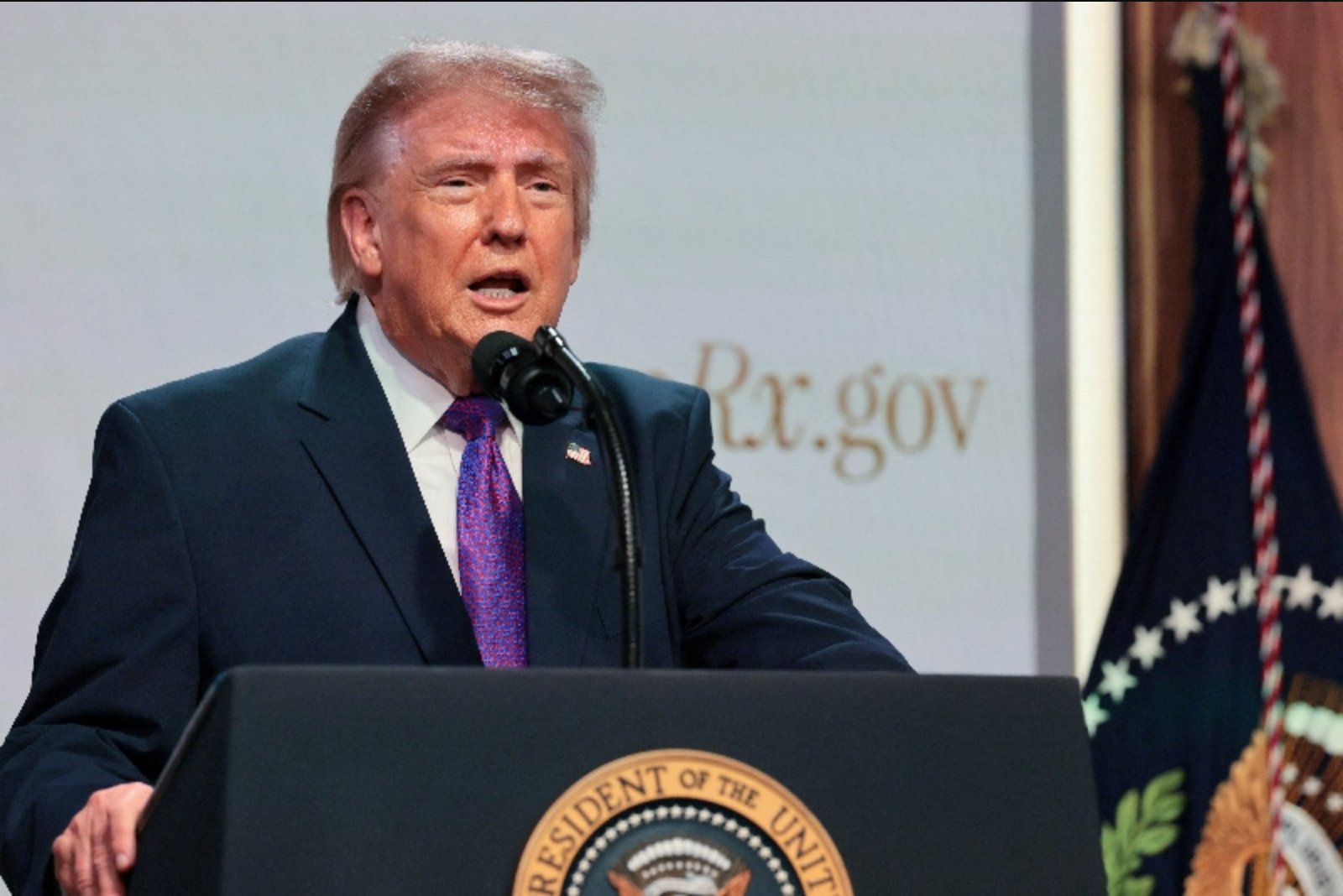
Addressing reporters gathered for a drug price announcement on Monday, Trump commented on the prospects for diplomacy: "There seems to be a very good chance that they can work something out. If we can do that without bombing the hell out of them, I would be very happy."
The president framed the decision to postpone the strike as responsive to requests from allied leaders and as contingent on the progress of negotiations. He reiterated readiness to use military force should diplomacy fail to yield an acceptable outcome.
Clear summary
President Trump postponed a planned military operation against Iran to give negotiations more time after requests from regional allies. He stated there is a "very good chance" an agreement can be reached to block Iran from acquiring a nuclear weapon, but also warned that the U.S. stands ready to launch a large-scale attack if the talks do not succeed.
Key points
- Trump announced a delay of a planned military attack on Iran that had been scheduled for Tuesday, following appeals from key U.S. allies in the Middle East to allow talks to continue.
- The president expressed optimism about the potential for a diplomatic solution, saying "There seems to be a very good chance that they can work something out." He also stated a preference to avoid military action: "If we can do that without bombing the hell out of them, I would be very happy."
- The United States remains prepared to execute a large-scale military assault if negotiations fail to produce an agreement to prevent Iran from obtaining a nuclear weapon.
Risks and uncertainties
- Negotiations may not result in an agreement - the president explicitly warned U.S. forces would remain prepared to launch a large-scale assault if no deal is reached. This creates uncertainty about whether diplomacy will succeed.
- The postponement of the planned attack was made at the request of regional allies, but the duration and outcome of the delay are not specified in the available information, leaving the timeline uncertain.
- The potential for a resumption of military action remains a clear risk until an agreement is secured, as stated by the president.
Where the article does not provide further detail - such as specific negotiation terms, the identities of the allied leaders who requested the delay, or any additional diplomatic steps - those gaps remain unfilled in the current account.