
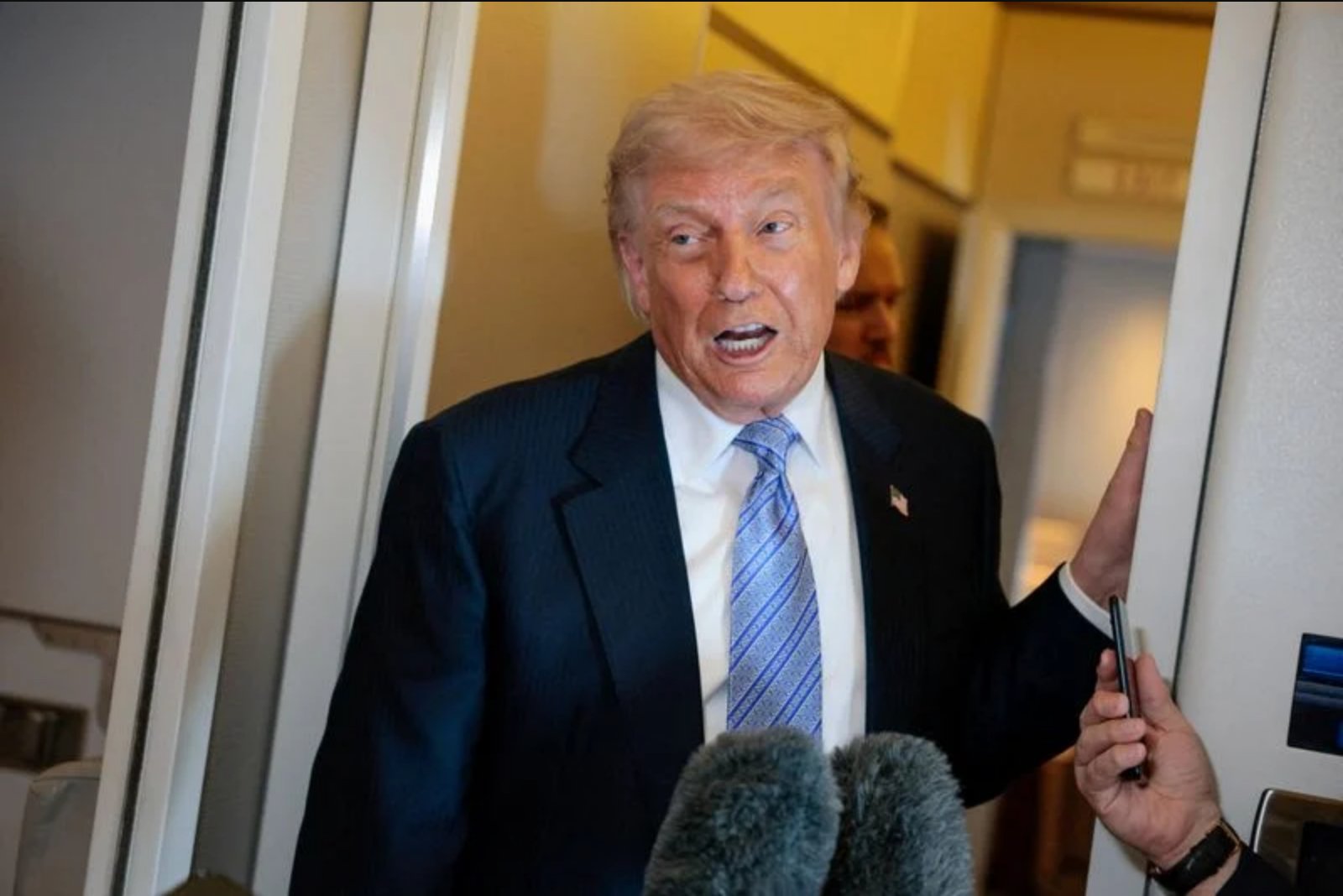
On June 1, President Donald Trump said Iran sought a deal with the United States and that any agreement would be advantageous for Washington and its allies. The comments came hours after U.S. forces reported carrying out strikes on Iranian military locations over the weekend and Iran's Revolutionary Guards said they had targeted a U.S. base in response - the latest exchanges taking place amid negotiations to end the three-month-old war.
Posting on Truth Social shortly after midnight, the president wrote that "Iran really wants to make a deal, and it will be a good one for the U.S.A. and those that are with us." He also addressed the challenges he faces negotiating under intense domestic political scrutiny.
"... it is MUCH tougher for me to properly do my job and negotiate, when political hacks keep negatively 'chirping,' at levels never seen before, over and over again, that I should move faster, or move slower, or go to war, or not go to war, or whatever," the post said.
Trump added reassurance in the same post, urging observers to stand down and expressing confidence that matters would resolve favorably: "Just sit back and relax, it will all work out well in the end - It always does!"
The president's message followed an earlier statement, made on Friday, that he would soon make a decision on a proposed deal to extend the ceasefire with Iran. Those remarks are part of a recent pattern of public comments from the administration as diplomacy and military actions intersect in a short, intense period.
The weekend exchanges between U.S. forces and Iranian military elements, and the public commentary about potential deals and ceasefire extensions, underscore the volatile and fast-moving nature of the situation. Negotiations intended to halt the conflict remain ongoing even as both sides have reported military actions in recent days.
Given the president's public remarks about negotiating constraints, the diplomatic process appears affected not only by events on the ground but also by the tenor of domestic political debate. The timeline for any final decision on the proposed ceasefire extension remains tied to the administration's forthcoming determination.
Key points
- President Trump said Iran "really wants to make a deal" and that such a deal would be positive for the U.S. and its allies.
- U.S. military strikes on Iranian military sites and an alleged Revolutionary Guards response targeting a U.S. base occurred over the weekend amid ceasefire negotiations.
- Trump said intense political commentary at home is making it harder for him to negotiate and indicated he would soon decide on a proposed extension to the ceasefire.
Risks and uncertainties
- Ongoing military exchanges increase uncertainty around the ceasefire negotiations - this directly concerns defense and diplomatic channels.
- Domestically driven political commentary may complicate negotiation dynamics and decision timing - an uncertainty for policymakers and diplomatic negotiators.
- The timing and outcome of a decision on extending the ceasefire remain unclear, leaving the conflict's trajectory uncertain.