
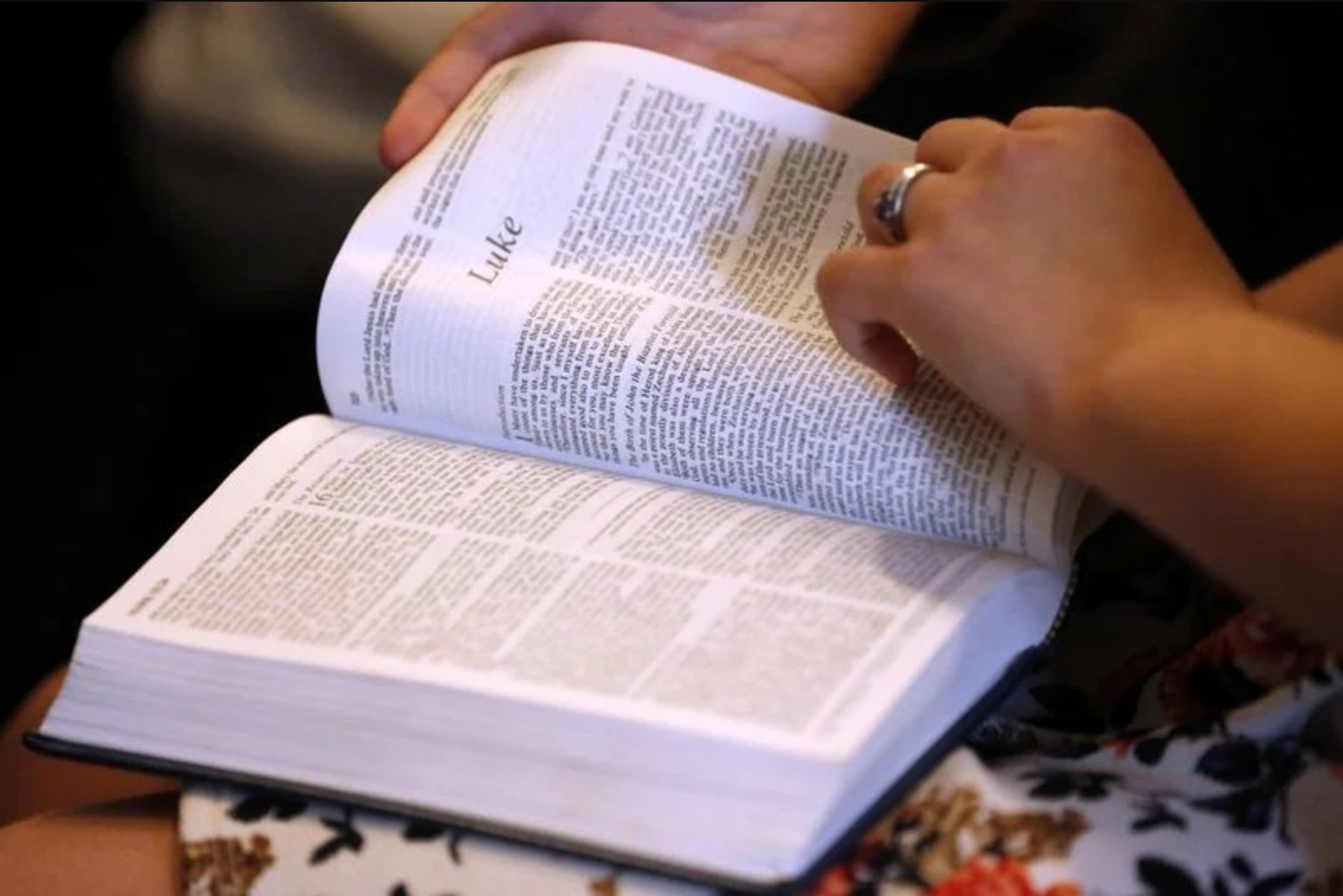
On June 26, the Texas Board of Education approved a mandated reading list for public school students that includes passages from the Bible, part of a broader effort by state leaders to introduce conservative and religious themes into public education.
The Republican-majority board passed the reading lists in a 9-5 vote, with one member absent and not voting. The requirement will affect over 5 million public school students beginning in 2030.
This action follows a separate statewide mandate that requires the Ten Commandments to be displayed in all public schools. That earlier decision was upheld by a federal appeals court earlier this year. State officials have framed these moves as efforts to restore what supporters describe as basic Judeo-Christian teachings to the curriculum and school environments, arguing those teachings are historically significant.
Opponents contend these steps run afoul of the Constitution's establishment clause, which courts have long interpreted as keeping government and religion separate. Critics say inserting explicit religious content into public school requirements risks using the education system to promote a particular faith.
The required reading list itself is broad and includes many non-Biblical works and classical literature. Examples cited by the board and critics include Aesop's fables, stories about Native Americans, and a child-friendly version of Don Quixote. Observers critical of the list have pointed out that a substantial portion of the texts are written by white male authors, which they say is notable in a state where students who are Latino and Black constitute a majority.
Rachel Laser, head of the advocacy group Americans United for Separation of Church and State, characterized the board's decision in a written statement as an effort to "misuse public schools to impose one narrow set of religious beliefs and indoctrinate a new generation of Americans in the lie that America is a Christian country."
Supporters of the reading list and the Ten Commandments display maintain the changes reflect a restoration of historically significant moral teachings. Critics counter that the measures are inconsistent with legal principles separating church and state and raise questions about whose history and literature are being prioritized in public education.
The board's action places curriculum decisions at the center of ongoing debates over religion, representation and the role of state government in shaping public schooling. How these choices will play out in classrooms, and whether they prompt further legal challenges or policy responses, remains a point of contention.
Note: This report summarizes the board's vote and reactions; it reflects the positions and statements recorded around the decision and does not introduce claims beyond those provided by stakeholders.