
Summary: Tennessee officials called off an execution Thursday when correctional staff failed to secure a backup intravenous line required under state lethal injection procedures. The governor subsequently granted a one-year temporary reprieve to the condemned prisoner.
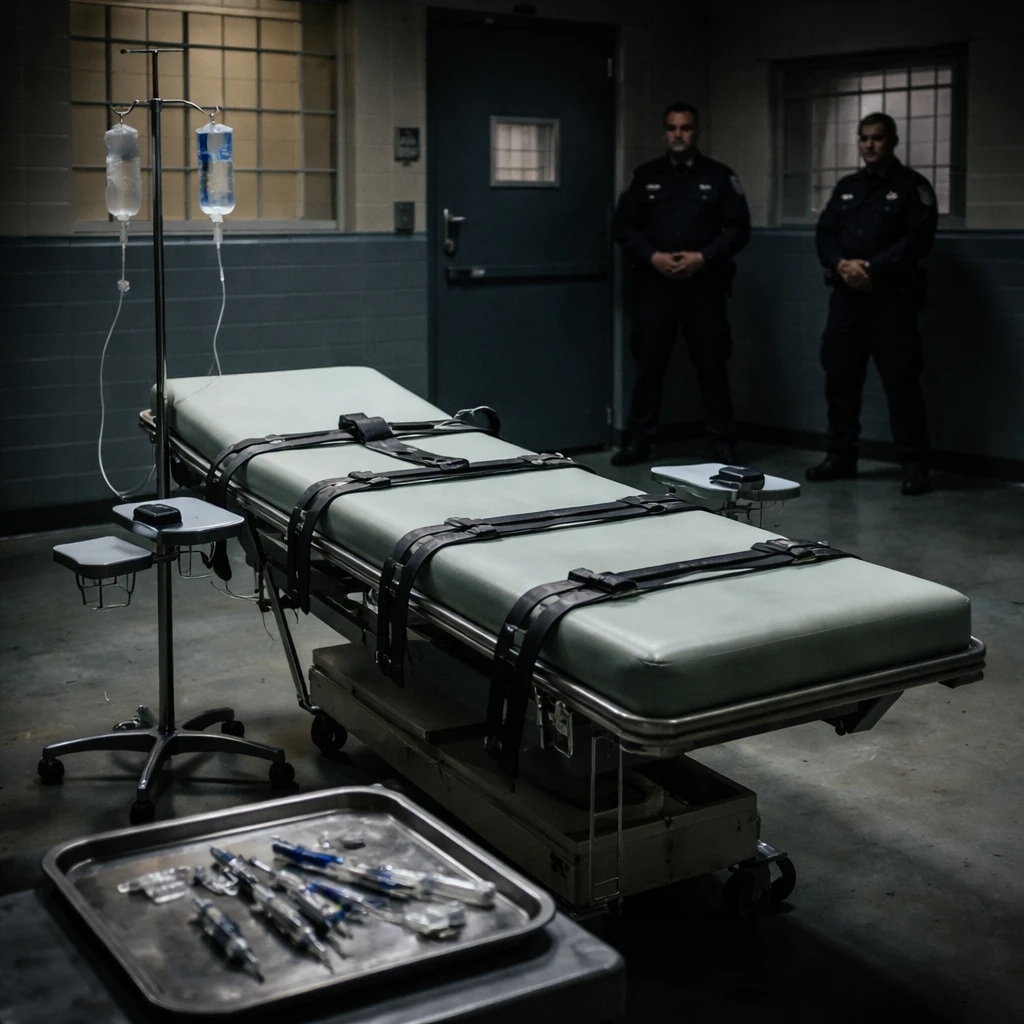
State correctional authorities took a condemned inmate to the execution chamber at a maximum-security prison in Nashville and attempted to establish the intravenous access necessary for lethal injection. After more than an hour of efforts to set lines, prison officials returned the inmate to his cell and suspended the procedure.
The Tennessee Department of Correction said it was able to establish a primary intravenous line but encountered problems placing the required backup line, a technical step specified in the state’s lethal injection protocol. With the secondary line not in place, officials called off the execution.
Governor Bill Lee followed by issuing a temporary reprieve. "I am granting Tony Von Carruthers a temporary reprieve from execution for one year," Lee said in a statement.
Carruthers, 57, was sentenced to death after being found guilty of kidnapping and murdering three people in 1994. Following the aborted procedure, an official decision returned him to his cell at the prison.
The case drew comment from the abolitionist organization Reprieve, which said Carruthers is now at least the seventh man in the United States to survive an execution date after a problematic lethal injection attempt. Matt Wells, Reprieve’s U.S. deputy director, criticized the method, saying: "Lethal injection is touted as a humane, 'medical' method of execution. Bloody and prolonged execution attempts like this one expose the gruesome reality."
The episode centered on medical and procedural requirements for carrying out a death sentence under Tennessee law. Officials cited the inability to establish the mandated backup line as the reason for stopping the execution.
Authorities provided the account of the aborted effort and the governor’s subsequent reprieve; the record notes the extended attempts to place intravenous lines in the execution chamber and the administrative decision to delay the sentence by one year.