
World May 20, 2026 09:30 PM

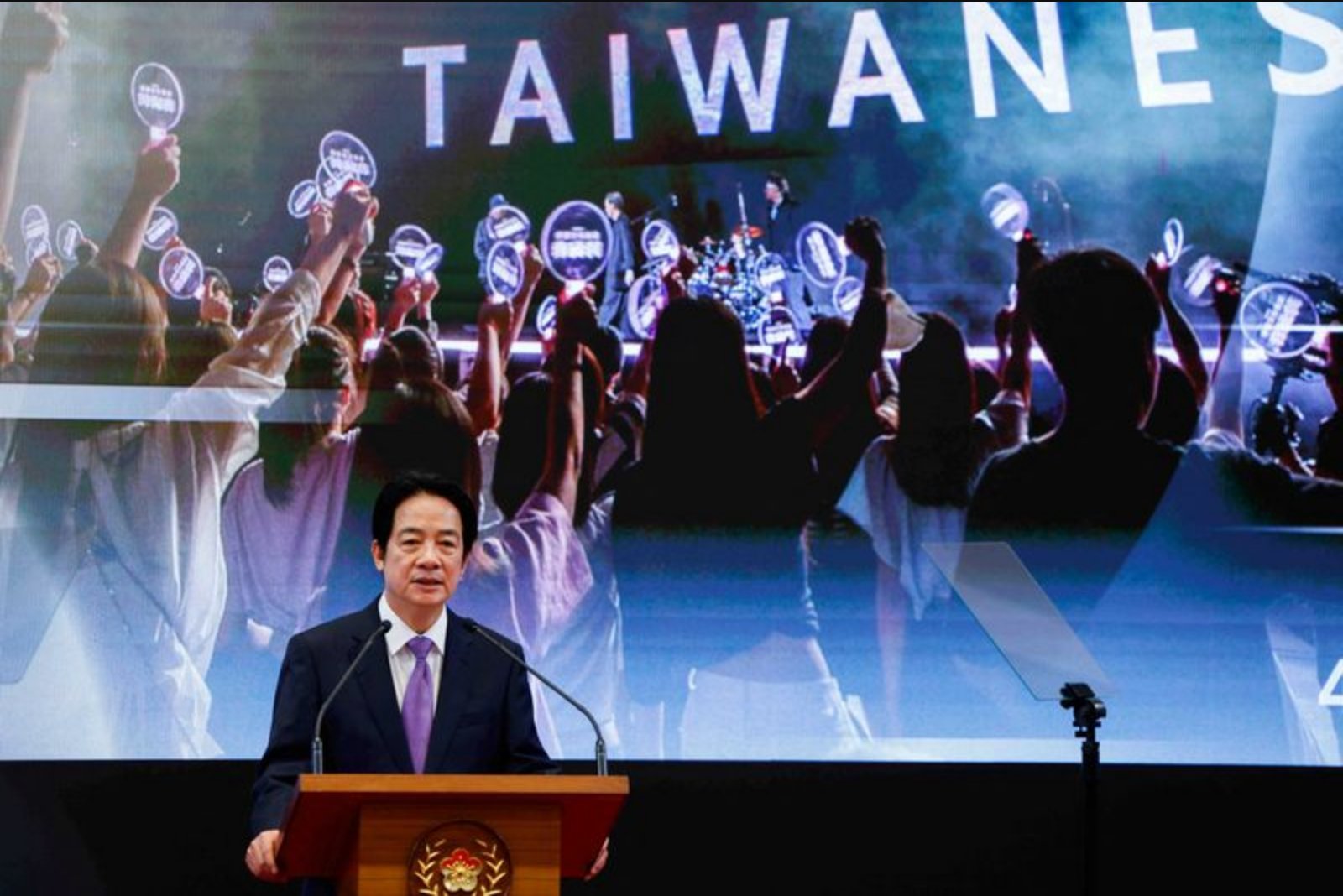
Taiwan Says President Lai Would Welcome a Call with Trump

Foreign Ministry confirms Lai would discuss China’s actions and pledge to maintain cross-strait status quo if given the chance to speak with U.S. President

By Hana Yamamoto

Taiwan’s Foreign Ministry said President Lai Ching-te would be willing to talk with U.S. President Donald Trump, an exchange that would be unprecedented since Washington shifted diplomatic recognition to Beijing in 1979. Taipei reiterated Lai would tell Trump that China is undermining peace and that his government remains committed to maintaining the stable status quo across the Taiwan Strait. Trump had said he would speak to Lai but provided no further details.

Taiwan Says President Lai Would Welcome a Call with Trump

Key Points

  • Taiwan’s Foreign Ministry said President Lai Ching-te would be happy to speak with U.S. President Donald Trump.
  • Lai would say that China is undermining peace and that his government will maintain the stable status quo across the Taiwan Strait.
  • U.S. and Taiwanese presidents have not spoken directly since the U.S. shifted diplomatic recognition to Beijing in 1979; a noteworthy prior exception was a 2016 call between then President-elect Trump and then-Taiwan President Tsai Ing-wen. Possible market and sector relevance includes defense and arms sales due to longstanding U.S. military support for Taiwan.

TAIPEI, May 21 - Taiwan’s Foreign Ministry said on Thursday that President Lai Ching-te would be happy to speak with U.S. President Donald Trump, an exchange that would mark an unprecedented direct conversation between the leaders since the United States moved diplomatic recognition from Taipei to Beijing in 1979.

The ministry repeated comments Lai made earlier on Wednesday, saying that if he were afforded the opportunity to speak with Trump he would make two points: that China is undermining peace, and that his administration will continue to preserve the status quo across the Taiwan Strait. The ministry added, without further detail, that "In addition to being committed to maintaining the stable status quo in the Taiwan Strait, President Lai is also happy to discuss these matters with President Trump."

Trump stated on Wednesday that he would speak to Lai, but he did not provide additional information about timing, format, or content of any potential conversation.

The United States and Taiwan have not had direct presidential-level conversations since Washington shifted official diplomatic recognition to Beijing in 1979. The article notes a notable exception in late 2016, when then President-elect Trump spoke by telephone with then-Taiwan President Tsai Ing-wen, a move that broke long-established diplomatic practice.

Beijing regards Taiwan as part of its territory and has not renounced the use of force as an option to bring the island under its control. The Foreign Ministry statement reiterated Lai's position on keeping the cross-strait relationship stable while calling out what he views as Chinese efforts that undermine peace.

The statement also sits against a backdrop of persistent U.S. military support for Taiwan - described in the article as longstanding - including arms sales that Beijing views with disapproval. Taiwan’s government maintains its rejection of Beijing’s sovereignty claims.


Context and clarity

Details about any prospective conversation between the two presidents - including when it might occur and what format it would take - remain unspecified. The Foreign Ministry did not elaborate beyond the statements cited above.

Risks

  • China has never renounced the use of force to bring Taiwan under its control - a geopolitical risk that directly affects regional security and defense sectors.
  • Beijing has been angered by longstanding U.S. military support for Taiwan, including arms sales - a source of diplomatic friction that may influence defense industry activity and related government procurement decisions.
  • Uncertainty over whether and when a direct presidential conversation would occur, and the lack of details from U.S. side, create short-term diplomatic ambiguity that could affect markets sensitive to geopolitical developments, particularly defense and trade-linked sectors.

More from World

Kennedy Center Directed to Revert Name After Federal Ruling Jun 4, 2026 Colorado Appeals Court Orders New Trial for Paramedics in Elijah McClain Death Jun 4, 2026 U.S. Treasury Adds Cuban President Miguel Diaz-Canel to Sanctions List Jun 4, 2026 Zelenskiy Invites Putin to Direct Talks in Open Letter, Proposes Ceasefire During Negotiations Jun 4, 2026 Zelenskyy Calls for Direct Talks With Putin, Offering Ceasefire During Negotiations Jun 4, 2026