
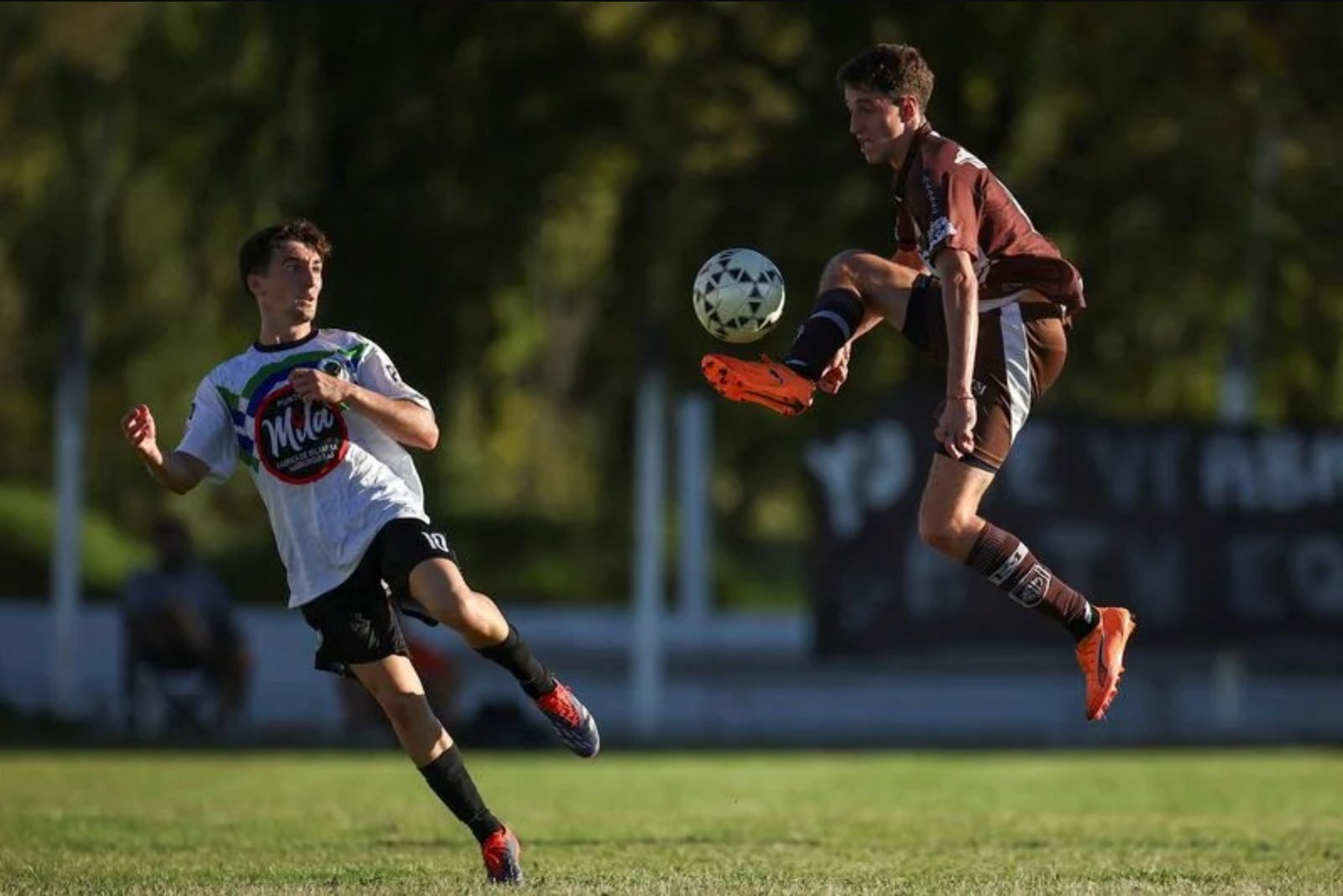
Emiliano Migueles begins his mornings hauling bottled water from a battered truck. But the day he measures most by is the one he spends on the makeshift soccer grounds that fringe Buenos Aires - the potreros where local amateur football thrives. After clocking out from his delivery work, Migueles chases another, unofficial shift: playing in street matches and semi-professional fixtures to supplement an unstable income.
Argentina, a country that has won the World Cup three times, has a deep cultural attachment to football. That affection stretches from households to the informal dirt pitches that have produced notable talents in the past. Many of the matches played on these potreros offer cash prizes - modest sums when compared with earnings of Argentine players in Europe's professional leagues, who are preparing to defend their 2022 World Cup title - but they can still make a material difference to household budgets.
Migueles, 26, describes a blend of precarious daytime work and an intense evening routine. He delivers bottled water alongside his uncle from a dilapidated truck, a work arrangement with no steady pay. On the pitch, he can sometimes convert game time into tangible cash. "In a good month, winning matches, I can earn around 500,000 pesos ($350) between my job and the football," he said.
The rise of these informal matches has coincided with a weakening formal employment market. Factories have closed and public spending has been reduced under the administration of President Javier Milei, who assumed office late in 2023. According to 2025 data from the national statistics agency INDEC, more than half of Argentines under 30 work in the informal economy.
How the payments work varies by match. At some potreros, organizers assemble teams and participants - and sometimes spectators - place bets. The winning team members receive a modest payout, while remaining funds are distributed proportionally among those who placed successful wagers. In other instances, teams pay entry fees into knockout-format tournaments where a single grand prize is awarded. In every scenario, losing teams walk away with nothing.
At one recent game where Miguelesteam won, the total payout reached about 300,000 pesos ($215). Migueles did not take part in the betting that day; his compensation for playing was 17,000 pesos ($12). "I mostly dont bet because Im always short on cash, thats the reality," he said. "Betting isnt something that appeals to me. I love the street games for everything they are, the adrenaline, everything they give you."
Migueles leaves little room in his life for rest. He plays whenever matches are scheduled - there are no guaranteed weekends or holidays. He turns out for informal street fixtures and for San Miguel, a semi-professional side in General Las Heras, where he receives around 100,000 pesos ($70) per game. Tournaments that stretch into the night often leave him starting his delivery rounds on little sleep.
Despite the physical and financial strain, he says he would not give it up. "Football is everything to me," Migueles said. "I gave up everything for football: work, birthdays, theres no one I havent sacrificed for soccer."
This pattern of combining informal work with amateur sport highlights a wider economic reality for many young Argentines. In the absence of stable formal employment, small-scale, locally organized activities - including street football - are filling gaps in household income. The payments from matches are unpredictable and often small relative to formal wages, yet they are sometimes large enough to cover immediate expenses.