
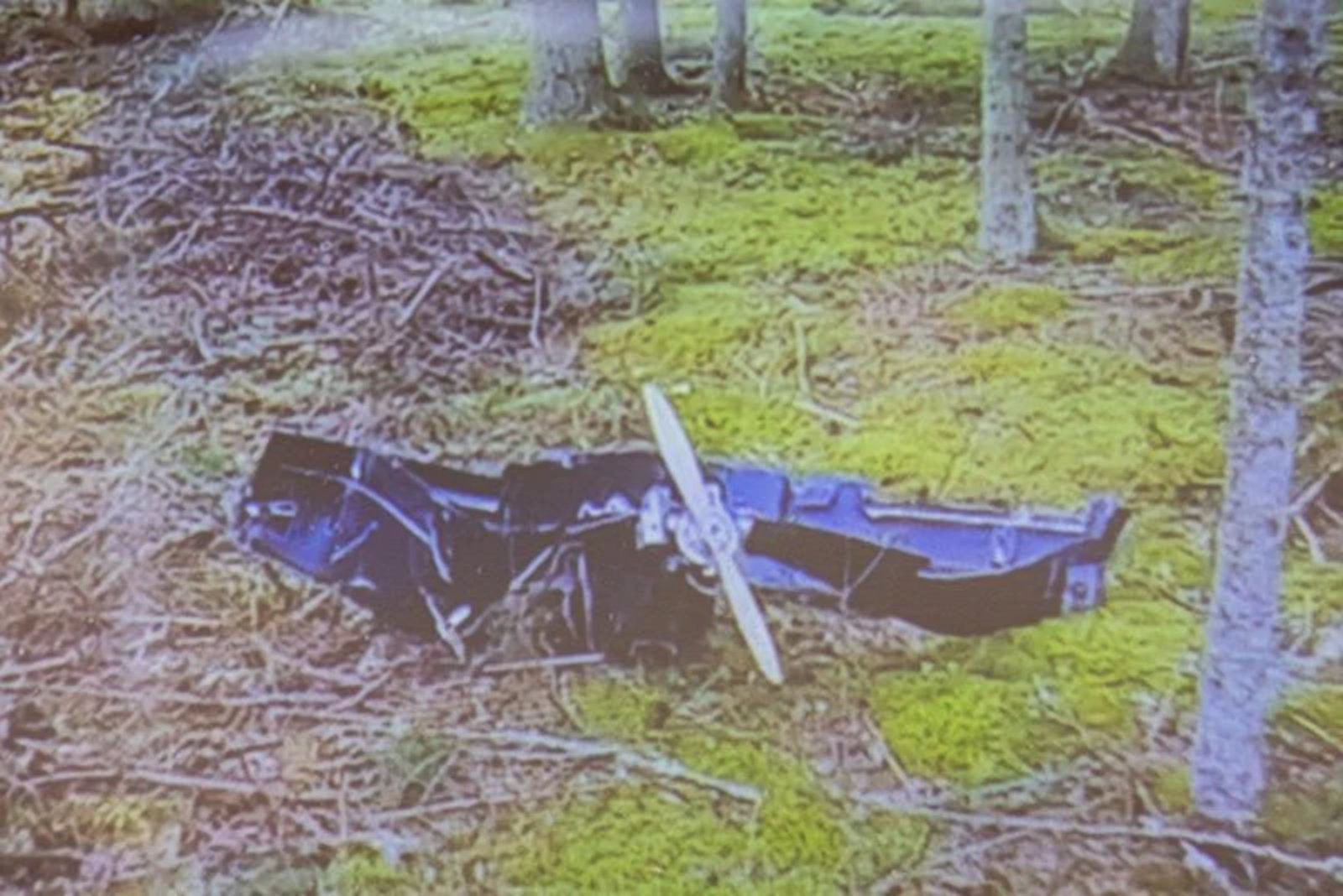
Military unmanned aerial vehicles drifting into the airspace of Finland and the three Baltic states have heightened anxiety that the conflict in Ukraine is crossing into NATO's northern borders with Russia. As Ukrainian forces increase long-range strikes on Russian Baltic Sea oil ports, some drones have missed their intended Russian targets and ended up over neighbouring countries, triggering security alerts and political fallout.
The incidents have unfolded in a roughly two-month period. Authorities in Finland, Estonia, Latvia and Lithuania have reported incursions, crashes and debris searches, while NATO fighter jets have been scrambled on multiple occasions to intercept suspected drones. Below is a chronological account of the reported events.
Timeline of reported drone incidents
- March 25 - Two Ukrainian military drones are reported to have strayed into Estonia and Latvia after travelling via Russia. One is recorded as striking the chimney of the Auvere power station in Estonia, close to the Russian border. Another unmanned aircraft crash-lands in Latvia. Separately, Lithuania reported that a Ukrainian drone had previously crashed into a lake.
- March 29-30 - Finnish authorities report a suspected territorial violation by unmanned aerial vehicles in the southeast of the country and respond by deploying F/A-18 fighter jets. One flying object is identified as a Ukrainian AN-196 drone. Finnish Prime Minister Petteri Orpo suggests that powerful Russian electronic jamming could explain why drones drifted into Finnish airspace.
- March 31 - Estonia and Latvia detect foreign drone activity near their borders with Russia, and the Finnish border guard reports finding a drone on Finnish territory. Estonia later recovers drone debris in Tartu County.
- April 1 - Estonia's armed forces say drones detected within the country appear to have originated in Ukraine and were directed at targets in Russia.
- May 7 - After two suspected stray drones cross from Russia and crash in Latvia, Latvia and Lithuania call on NATO to strengthen air defences. One drone fragments and explodes at an oil storage site in Rezekne, in the Latvian region, damaging four empty oil tanks.
- May 10 - Andris Spruds resigns as Latvia's defence minister. Prime Minister Evika Silina says anti-drone systems were not deployed quickly enough. Ukraine states the drones were Ukrainian but contends they were diverted by Russian electronic warfare.
- May 14 - Prime Minister Evika Silina resigns, precipitating the collapse of Latvia's coalition government after the Progressives party led by Spruds withdraws support.
- May 15 - Finnish authorities issue warnings to about 1.8 million residents in the wider Helsinki region to remain indoors amid suspected drone activity, suspend flights at the capital airport and scramble fighter jets. President Alexander Stubb says there is no direct military threat to Finland.
- May 17-18 - Explosive material is found near the wreckage of a suspected Ukrainian military drone that crashed in Lithuania near the Latvian border and Belarus. Lithuanian officials say the drone was not detected upon entering their territory.
- May 19 - A Romanian NATO fighter jet shoots down a suspected Ukrainian drone over Estonia after it entered Estonian airspace from Russia. Ukraine apologises to Estonia and other Baltic allies, attributing the deviation to Russian electronic warfare, and denies using Latvian or Estonian territory to launch strikes on Russia.
- May 20 - Lithuania issues an "air danger warning", orders people in Vilnius to shelter and suspends traffic at the capital's airport over a drone in its airspace. Lawmakers shelter in an underground area at parliament, train services are halted, and schools and kindergartens are told to move children to shelters. The government says the drone's origin is unconfirmed.
- May 21 - Latvia's armed forces report that at least one drone is airborne in the country's airspace, NATO fighter jets are responding, and residents in regions bordering Russia and Belarus are advised to seek shelter.
- June 3 - Latvia and Estonia issue overnight warnings for regions along the Russian border asking residents to shelter if they observe suspected drone activity. Latvia reports NATO has scrambled fighter jets in response. The alerts are lifted in the early morning, and Estonia's defence forces report that no drones entered its airspace.
Across these episodes, officials have alternately identified the aerial vehicles as Ukrainian, said they were diverted by Russian electronic countermeasures, or stated that the origin had not been confirmed. Responses have ranged from scrambling fighter jets and suspending civilian flights to issuing public sheltering advisories and searching for wreckage and explosives near crash sites.
The incidents have also had political consequences. In Latvia, disputes over the speed and adequacy of anti-drone deployments contributed to ministerial resignations and the withdrawal of coalition support, culminating in the collapse of the government.
Authorities in the affected countries continue to investigate the causes of the incursions and the provenance of individual drones. NATO has been involved in interception attempts and in supporting regional air-defence responses.