
Singapore’s foreign minister, Vivian Balakrishnan, returned from visits to both North and South Korea on May 26 and 27 and told Singaporean media that North Korea appears disinclined to open substantive lines of communication with the United States, the Republic of Korea and Japan at this time.
Speaking after the trip, Balakrishnan said Pyongyang is concentrating on building its self-reliance and enhancing military deterrence. He said the North’s external alignments have shifted, describing a closer relationship with Russia while stressing that China remains indispensable to the regime.
"What’s clear is that they’re certainly in a closer relationship now with Russia. China remains indispensable to it, but they are not yet ready to open up significant channels of communication with the United States or with ROK and Japan at this point in time," Balakrishnan told Singaporean reporters, according to a transcript shared by the foreign ministry.
Balakrishnan noted a marked change from his previous trip to North Korea in 2018: Pyongyang has communicated an "outright, categorical rejection of reunification" with South Korea. He also commented on the physical development of the capital, saying the city has advanced despite the country’s increasing isolation.
"It’s a city which would fit in with any modern city throughout Southeast Asia, or even Northeast Asia, for that matter," he said, describing his impressions of Pyongyang.
The minister also pointed to constitutional changes in North Korea that reflect a redefinition of its territorial stance. North Korea has revised its constitution to define its territory as bordering South Korea and removed references to reunification, according to a draft of the text reviewed by Reuters this month. That revision codifies leader Kim Jong Un’s policy of treating the two Koreas as separate states.
Balakrishnan referenced the international context around Pyongyang’s posture, observing that ties with Moscow have deepened in recent years after North Korea sent thousands of troops to fight with Russian forces in Kursk. He also noted Beijing’s recent efforts to re-engage Pyongyang, citing the resumption of passenger train services and flights between the two neighbours in past months.
His visit included engagement with North Korean officials. Balakrishnan said he invited North Korean Foreign Minister Choe Son Hui to the ASEAN Regional Forum and encouraged the North to pursue appropriate opportunities to remain engaged with the wider international community.
Seoul has shown interest in sustaining dialogue. On Thursday, South Korea’s foreign ministry said Foreign Minister Cho Hyun asked Balakrishnan for Singapore and ASEAN’s support for efforts to reopen dialogue with North Korea.
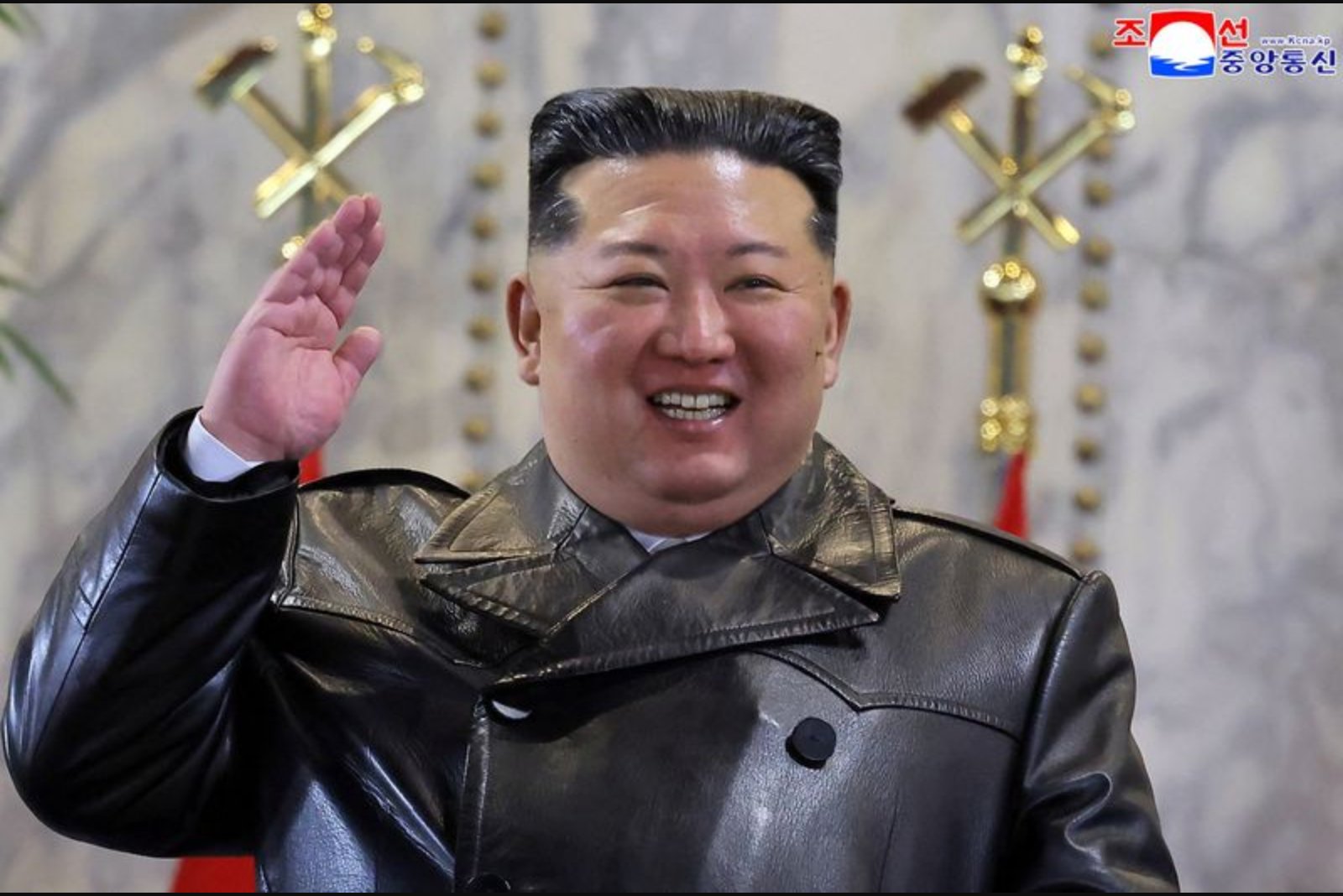
Balakrishnan’s comments also occurred against a backdrop of offers for direct talks from leaders in Washington and Seoul. The article noted that U.S. President Donald Trump and South Korean President Lee Jae Myung have repeatedly expressed interest in holding talks with North Korean leader Kim Jong Un.
Key context and observations
- Balakrishnan visited North and South Korea on May 26 and 27 and last travelled to North Korea in 2018.
- He reported North Korea prioritizing self-reliance and military deterrence while deepening its relationship with Russia and maintaining dependence on China.
- He observed a formal shift away from reunification rhetoric and noted constitutional revisions that treat the two Koreas as separate states.
Implications for regional engagement
Balakrishnan said he invited North Korea’s foreign minister to the ASEAN Regional Forum and encouraged Pyongyang to seek opportunities to engage the broader international community, while South Korea requested ASEAN support for renewed dialogue efforts.