
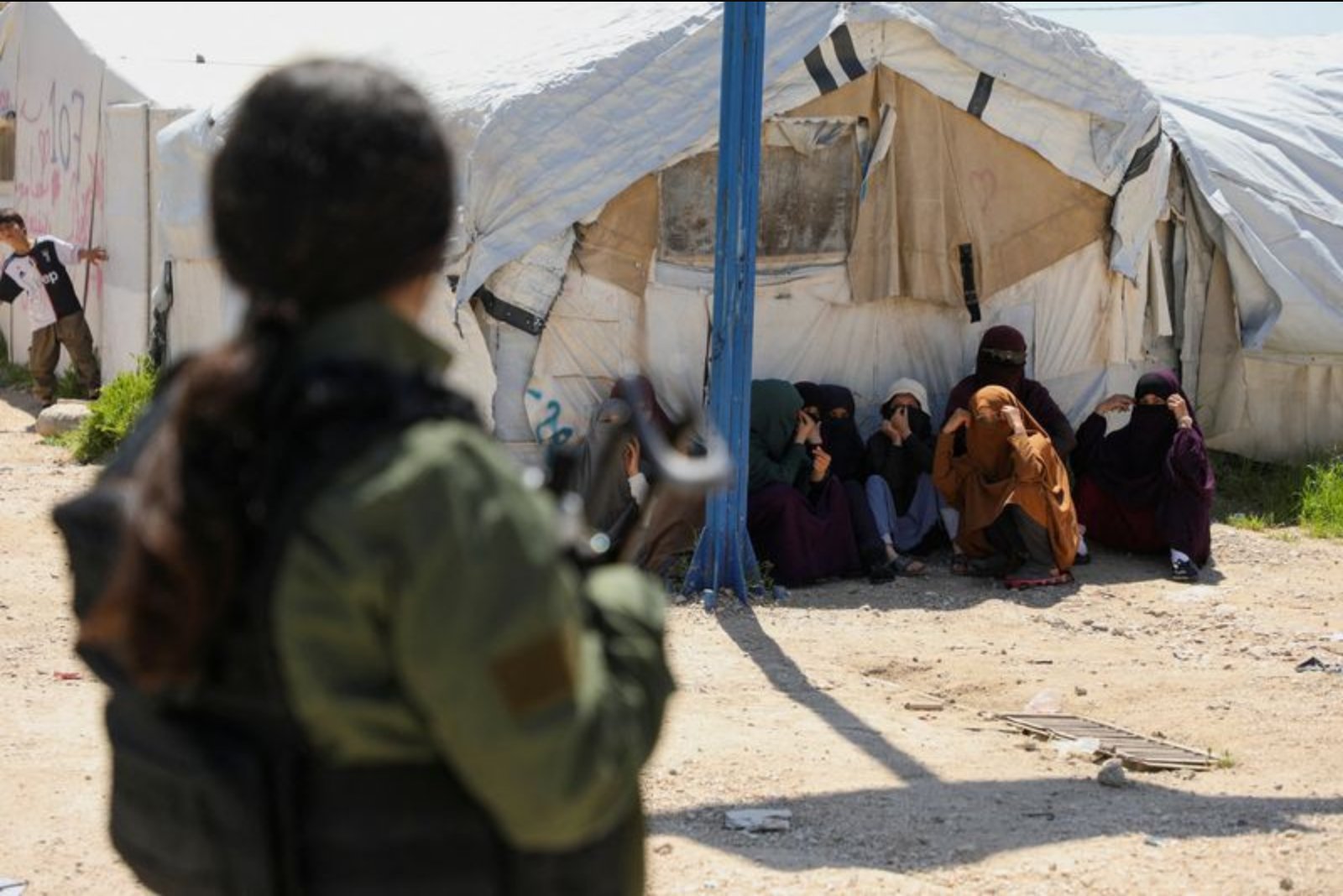
SYDNEY, May 26 - A group of seven Australian women accompanied by 12 children who have been linked to the Islamic State militant group have made plans to travel back to Australia, authorities said on Tuesday. If completed, this would mark the second group of Australian nationals to leave a Syrian refugee camp so far this month.
Home Affairs Minister Tony Burke said the national government is not providing assistance for their travel and warned that any individuals who have committed criminal offences "can expect to face the full force of the law". In a written statement, Burke said: "These are people who have made the horrific choice to join a dangerous terrorist organisation and to place their children in an unspeakable situation."
Burke did not specify an expected arrival date for the second group, and his office did not immediately respond to a request for additional details. The Australian Broadcasting Corporation reported that the group left a camp in northeast Syria last Thursday and could land in Australia in the coming days.
This planned repatriation follows an earlier arrival this month when four women and nine children returned to Australia after spending more than seven years in a Syrian camp. Among those earlier returnees, two women have been charged with slavery offences and another has been charged with terror-related offences, including allegedly joining Islamic State.
The announcement of the planned return has prompted criticism from political opponents who argue the centre-left government did not do enough to prevent repatriations. The government responded by saying there are "very serious limits" on the ability to stop Australian citizens from re-entering the country.
Law enforcement and intelligence agencies, the government added, have been preparing for potential returns for more than a decade and maintain plans to monitor people arriving from conflict zones.
Records show that between 2012 and 2016 some Australian women travelled to Syria to join husbands who were allegedly members of ISIS, and following the collapse of the so-called caliphate in 2019 many of those individuals were detained in camps. In January, the United States began relocating detained ISIS members out of Syria after the collapse of the Kurdish-led Syrian Democratic Forces, which had for a time been guarding around a dozen facilities holding fighters and affiliated civilians, including foreigners.
Context and process
The government has framed its public messaging around two central points: it is not facilitating the travel of these citizens, and those suspected of crimes will face legal processes on return. Details remain limited about the exact logistics and timing of the latest group's travel, and officials have pointed to existing operational arrangements by security agencies to manage monitoring and investigations.