
World May 20, 2026 02:17 PM

Raul Castro Indicted in U.S. Case; Profile of Cuba’s Enduring Power Broker

Former president and longtime military leader faces U.S. indictment tied to 1996 shootdown; remains a central figure in Cuba’s post-revolution leadership

By Maya Rios

Raul Castro, 94-year-old former president of Cuba and brother of revolutionary leader Fidel Castro, has been indicted by the United States over the 1996 shootdown of aircraft operated by Brothers to the Rescue. A founding figure of Cuba’s communist government, Castro built his influence through military leadership during and after the 1959 revolution and has remained a dominant force in the country’s political life even after leaving the presidency in 2018.

Raul Castro Indicted in U.S. Case; Profile of Cuba’s Enduring Power Broker

Key Points

  • Raul Castro, 94, has been indicted by the United States in relation to the 1996 shootdown of planes operated by Brothers to the Rescue - political and diplomatic relations are directly implicated.
  • Castro was a central military and political leader from the 1959 revolution onward, serving as defense minister, acting president in 2006, and formally president from 2008 to 2018 - this history underscores his institutional influence.
  • Even after stepping down, Castro retained the title of army general and continued to influence the Communist Party and state decisions, including proposing a 2025 postponement of the party congress due to a deep economic crisis - implications for domestic governance and economic policy are significant.

Raul Castro, the 94-year-old sibling of Fidel Castro and a central architect of Cuba’s communist state, has been indicted by the United States in connection with the 1996 shootdown of planes flown by the group Brothers to the Rescue. The U.S. action draws attention to a man who has been a defining presence in Cuban politics and the armed forces for more than six decades.

Revolutionary beginnings

  • Born in 1931, Castro was a leading figure alongside his elder brother Fidel in the guerrilla campaign that toppled Fulgencio Batista in 1959, ushering in the communist revolution that reshaped Cuba.
  • For decades he served as his brother's defense minister, establishing a robust power base within the military and across state institutions that underpinned the revolutionary government.
  • During his early career he played a role in repelling the U.S.-backed Bay of Pigs invasion in 1961 and later oversaw Cuban military interventions outside the island, most notably in Africa.

Political rise

  • Castro’s formal political prominence increased when Fidel fell ill in 2006; he moved into the role of acting president and then was formally named president in 2008.
  • Following Fidel Castro’s death in 2016, Raul Castro continued to be viewed as the principal unifying figure for those loyal to the 1959 revolution, confounding expectations that Fidel’s passing would weaken the communist government’s cohesion.

A lasting power broker

Castro remained in the presidency until 2018. After relinquishing the formal office he retained the rank and honorific of "army general" and continued to exercise considerable influence within the Communist Party, the armed forces and state institutions. Current President Miguel Diaz-Canel is widely perceived to rely on Castro’s counsel for significant decisions.

In December 2025, Castro proposed postponing the Communist Party congress that was expected to select Diaz-Canel’s successor, citing the country’s deep economic crisis; the party’s Central Committee approved the delay unanimously. His continued involvement in high-level party deliberations underscores his enduring role in managing succession and policy timing.

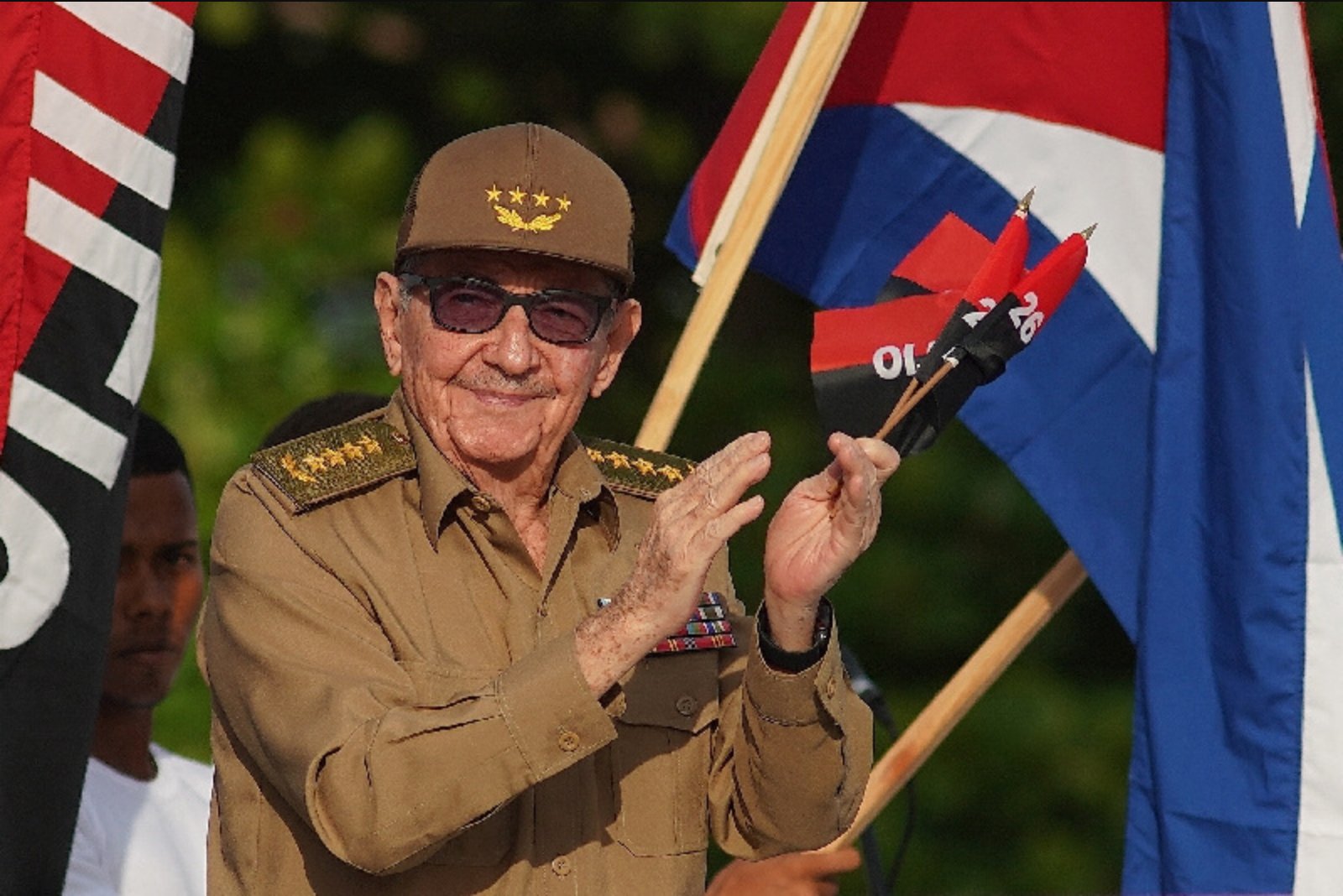
Castro made a public appearance in Havana on May 1 during International Workers’ Day events. Wearing a military uniform, he marched alongside President Diaz-Canel and other officials but showed signs of frailty during the ceremony and had to sit down suddenly.

The indictment announced by the United States connects Castro to the shooting down in 1996 of aircraft operated by Brothers to the Rescue, an episode that remains a notable and contentious event in Cuba-U.S. relations. The legal action renews focus on a long-standing figure whose decisions have shaped Cuba’s trajectory since the revolution.

Risks

  • Legal and diplomatic uncertainty stemming from the U.S. indictment could affect Cuba’s relations with the United States and international perceptions of Cuban leadership - impacts are concentrated in political and diplomatic sectors.
  • Castro’s advanced age and visible frailty, highlighted by his sudden need to sit during the May 1 ceremony, introduce uncertainty about the continuity of his personal influence within Cuba’s leadership - this affects succession planning and political stability.
  • The postponement of the Communist Party congress, justified by a declared deep economic crisis, signals economic vulnerability and uncertainty about leadership transition timing - risks are focused on public-sector governance and macroeconomic management.

More from World

Colorado Appeals Court Orders New Trial for Paramedics in Elijah McClain Death Jun 4, 2026 U.S. Treasury Adds Cuban President Miguel Diaz-Canel to Sanctions List Jun 4, 2026 Zelenskiy Invites Putin to Direct Talks in Open Letter, Proposes Ceasefire During Negotiations Jun 4, 2026 Zelenskyy Calls for Direct Talks With Putin, Offering Ceasefire During Negotiations Jun 4, 2026 Putin Says Russia Will Prevail if Needed, But Offers Diplomacy Backed by Unspecified Compromises Jun 4, 2026