
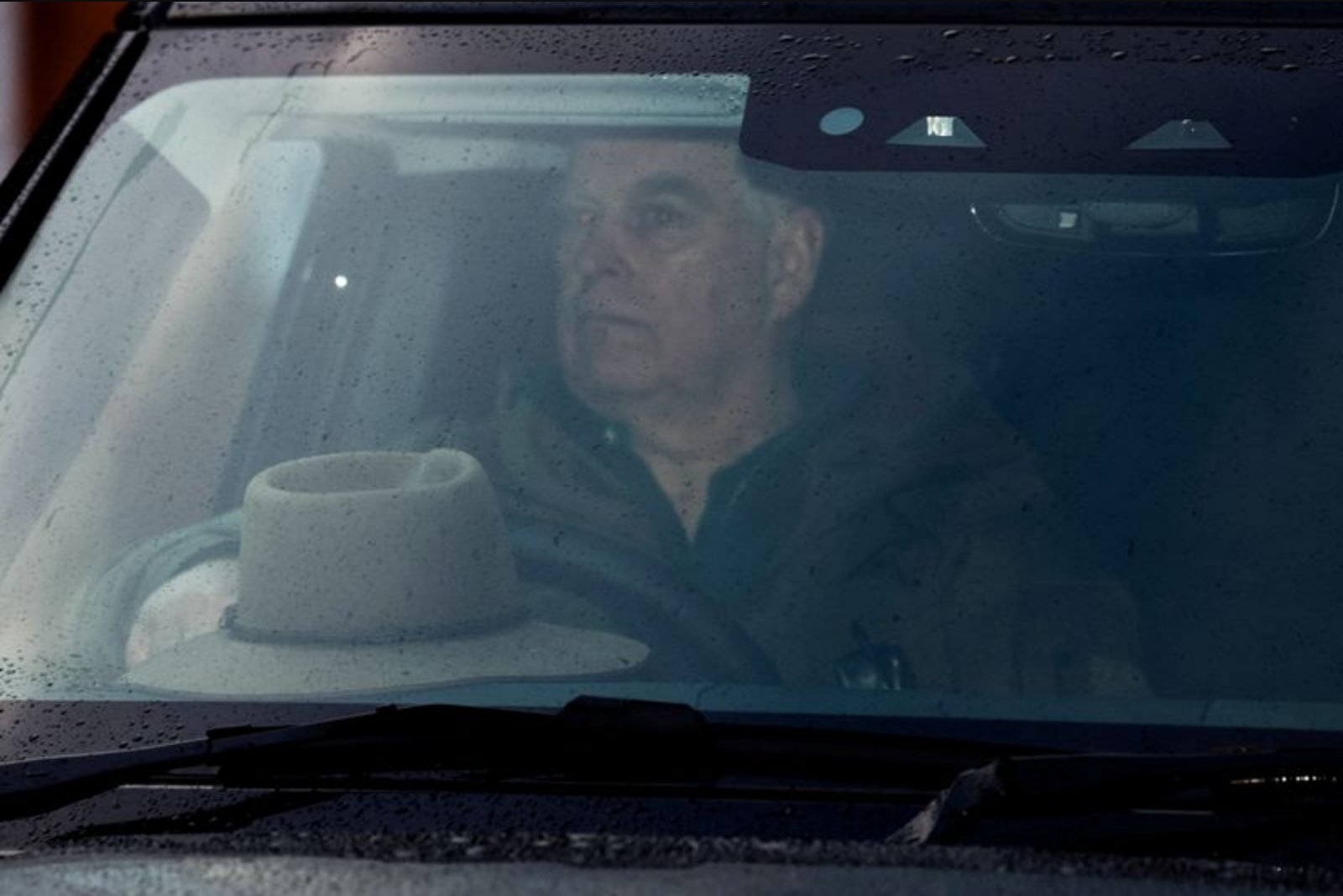
Documents released on Thursday show that Queen Elizabeth actively pressed for her son, Andrew Mountbatten-Windsor, to be appointed to an unpaid government trade envoy position in 2000.
Mountbatten-Windsor later served as the United Kingdom's Special Representative for International Trade and Investment from 2001 to 2011. In that capacity he travelled internationally and met with senior figures in business and government, carrying out the duties without pay.
Among the papers made public was an account from David Wright, then chief executive of British Trade International, describing a discussion he held with the late Queen's private secretary before the appointment was finalised. Wright recorded the Queen's preference for the candidate who would succeed the then-holder of the post.
"The Queen's wish is that the Duke of Kent should be succeeded in this role [as trade envoy] by the Duke of York," Wright wrote in one of the documents released on Thursday.
The government agreed to release 11 documents after an opposition party employed a rare parliamentary device to demand publication of files relating to Mountbatten-Windsor's appointment.
In a written statement to parliament, Chris Bryant, a junior trade minister, said there was no evidence that formal due diligence or security vetting had been carried out at the time of the appointment. The statement indicates that records of such checks do not appear to exist among the files published.
Mountbatten-Windsor, formerly known as Prince Andrew, was arrested earlier this year and questioned by police on suspicion of misconduct in public office. The published material also follows earlier email disclosures from this year that indicate Mountbatten-Windsor may have forwarded government reports to Jeffrey Epstein, the late convicted sex offender.
Mountbatten-Windsor has consistently denied any wrongdoing in relation to Epstein and has expressed regret over their friendship.
These documents provide a record of royal intervention in appointments to public-facing trade roles and highlight gaps in formal vetting processes at the time. They also intersect with wider public scrutiny prompted by law enforcement action and earlier document releases relating to Mountbatten-Windsor's contacts.