
Overview
Qatar stated it will not support permanent tariffs on ships transiting the Strait of Hormuz, but it indicated a willingness to negotiate temporary charges tied to specific safety-related tasks, according to remarks delivered at the Shangri-La Dialogue security forum in Singapore.
Deputy Prime Minister Sheikh Saoud bin Abdulrahman Al Thani framed the distinction between permanent and temporary levies in terms of consumer impact and regional consensus. He said permanent transit fees would increase costs for consumers and therefore are opposed by Qatar and its Gulf partners. By contrast, he suggested that short-term charges linked to measures to restore secure navigation - for example mine-clearing operations - could be open to negotiation.
Context and recent developments
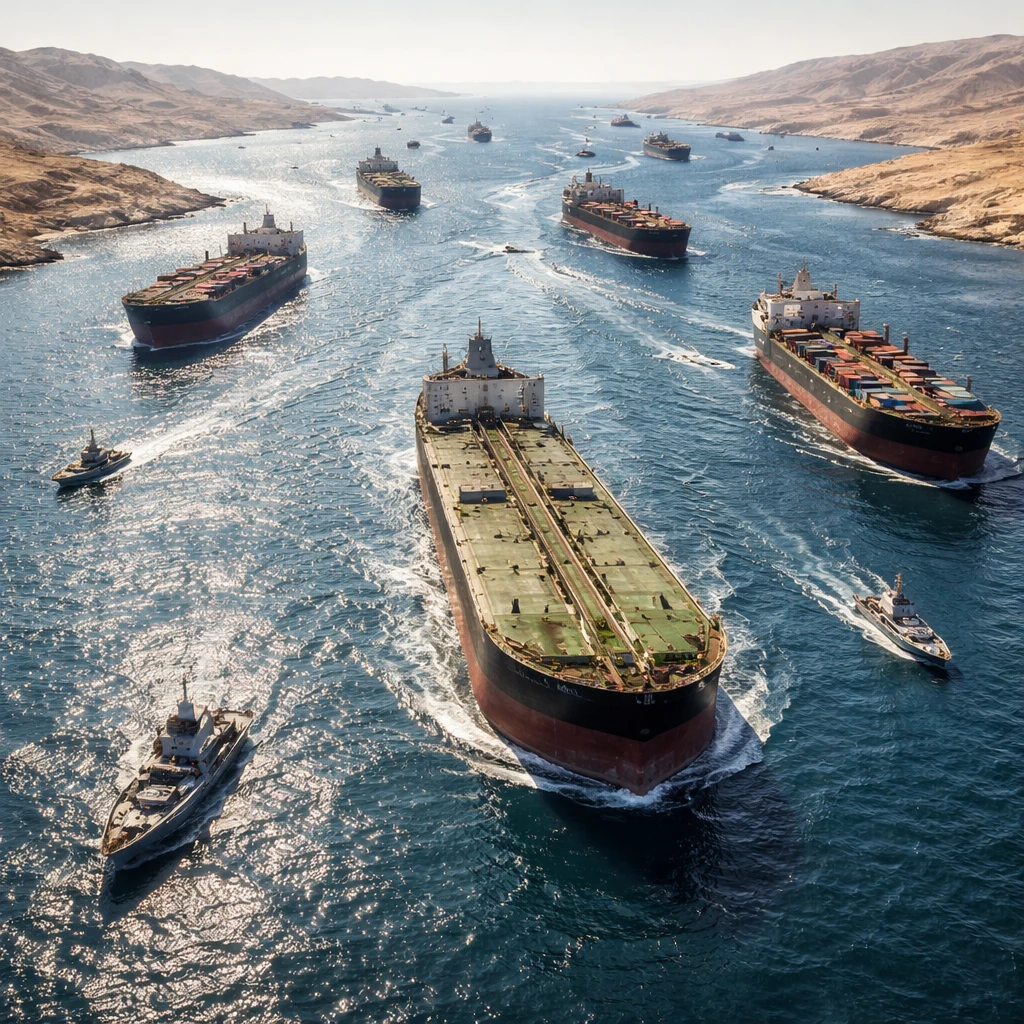
The statements come amid media reports that Iran and Oman have been discussing the outlines of a possible toll framework for the Strait of Hormuz. The waterway is strategically significant: under normal conditions, roughly a fifth of global oil consumption moves through it. Since the conflict escalated between Iran and the U.S. and Israel in late February, Iran has effectively imposed restrictions on shipping through the strait, a dynamic that has disrupted energy markets and trade flows.
Qatar has also been active in diplomatic efforts aimed at easing regional tensions and restoring maritime traffic, the deputy prime minister said. He noted that the position rejecting permanent fees aligns with the stance of other countries in the region.
International reaction
According to the deputy prime minister, the United States, European nations, and Gulf states including the United Arab Emirates have opposed permanent tolls on vessels using this international shipping route. Qatar emphasized that while permanent fees are unacceptable because of the consumer cost implications, limited temporary charges connected to safety and the restoration of safe navigation remain on the table as negotiable options.
The situation retains significant uncertainty given ongoing restrictions and diplomatic discussions involving regional actors. Qatar's comments underscore a preference for measures that address immediate safety needs without imposing a steady, long-term burden on maritime traffic and consumers.