
Lead
Officials in Washington and Taipei have engaged in talks about a possible telephone conversation between U.S. President Donald Trump and Taiwan’s President Lai Ching-te, but sources with knowledge of the matter say no definitive arrangements have been made.
A direct exchange between the two heads of state would be without modern precedent and carries the potential to unsettle U.S. relations with Beijing. Four people familiar with the discussions told Reuters that, despite public comments by Trump indicating he intends to speak with Lai, there are as yet no firm plans for such a call.
Statements and reactions
Trump reiterated on Wednesday that he would speak with Lai, and in doing so he dispelled earlier speculation that his first reference to a potential conversation - made after meeting Chinese President Xi Jinping last week - might have been a verbal slip. "I’ll speak to him; I speak to everybody," the president said. "We’ll work on that, the Taiwan problem."
Initial remarks by Trump about the prospect of a call surprised officials both in Washington and Taipei, according to two people familiar with the matter. In the days following that remark, U.S. and Taiwanese officials have been in touch about arranging a call, one source said, but the four sources agreed that nothing concrete has been scheduled.
Beijing’s warning and diplomatic context
China’s embassy in Washington did not respond to requests for comment, and the White House also did not reply to inquiries. Two people briefed on Beijing’s response said China warned Washington that a phone call between the two presidents could harm bilateral ties and could reverse progress made during the recent state visit.
The possibility of a direct presidential conversation is particularly sensitive because U.S. and Taiwanese presidents have not communicated directly since Washington shifted diplomatic recognition to Beijing from Taipei in 1979. Beijing regards Taiwan - governed democratically - as its own territory and has repeatedly stressed its position as discussions continue.
Taiwan’s position
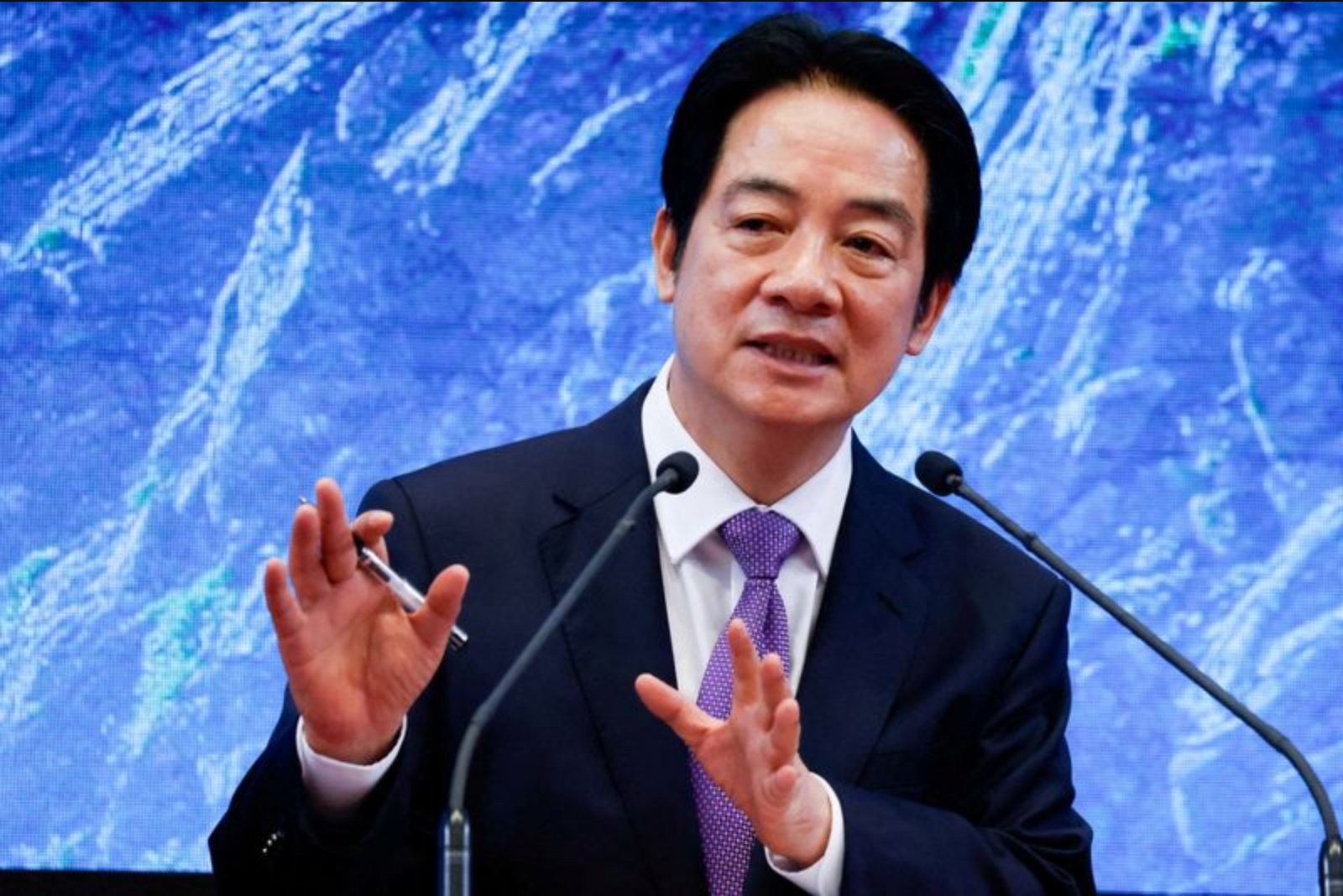
Taiwan’s presidential office referred to comments Lai made on Wednesday. Lai said that, should a conversation with President Trump take place, he would tell the U.S. leader that China was undermining peace and that nobody has the right to "annex" the island. Lai did not confirm whether any call had been arranged.
Arms sales uncertainty
Xi raised Taiwan policy directly with Trump during a two-day state visit last week, warning that missteps on the issue could jeopardize China-U.S. relations. In the aftermath of those meetings, Trump said he had not decided whether to proceed with a proposed major weapons sale to Taiwan valued at up to $14 billion, adding to uncertainty about U.S. support.
On May 15, Trump told reporters he planned to speak with "the person ... that’s running Taiwan" before deciding whether to approve further arms sales. He reiterated on Wednesday that he intended to speak with Lai.
Two of the sources said U.S. officials have privately told Taiwan to expect no change in policy. Under existing U.S. law, Washington is obliged to provide Taiwan with the means to defend itself, and lawmakers from both parties in Congress have urged continuation of weapons sales to the island.
Military signaling
On Friday, a senior Taiwanese official, citing Taiwanese intelligence, said China deployed more than 100 naval and coast guard vessels across East Asia. The official cautioned that Beijing could use the exercise as a signal to Washington not to proceed with a presidential call.
The official account also reiterated a long-standing fact noted by sources: Beijing has not renounced the use of force to take control of Taiwan. Separately, the reporting noted Taiwan’s strategic economic role as the United States’ largest source of advanced semiconductor chips.
Outlook
For now, the possibility of a Trump-Lai conversation remains an open question. Contacts between U.S. and Taiwanese officials continue, but all four people familiar with the situation said no concrete plans for a presidential call have been set. With warnings from Beijing and questions about a potential major arms sale still unresolved, the diplomatic environment around any such conversation remains uncertain.
Summary
U.S. and Taiwanese officials have discussed a potential phone conversation between Presidents Trump and Lai, but four sources say no firm arrangements exist. Beijing has warned a call could harm China-U.S. ties. Trump has said he will speak with Lai, and the question of whether to approve up to $14 billion in arms sales to Taiwan remains undecided.