
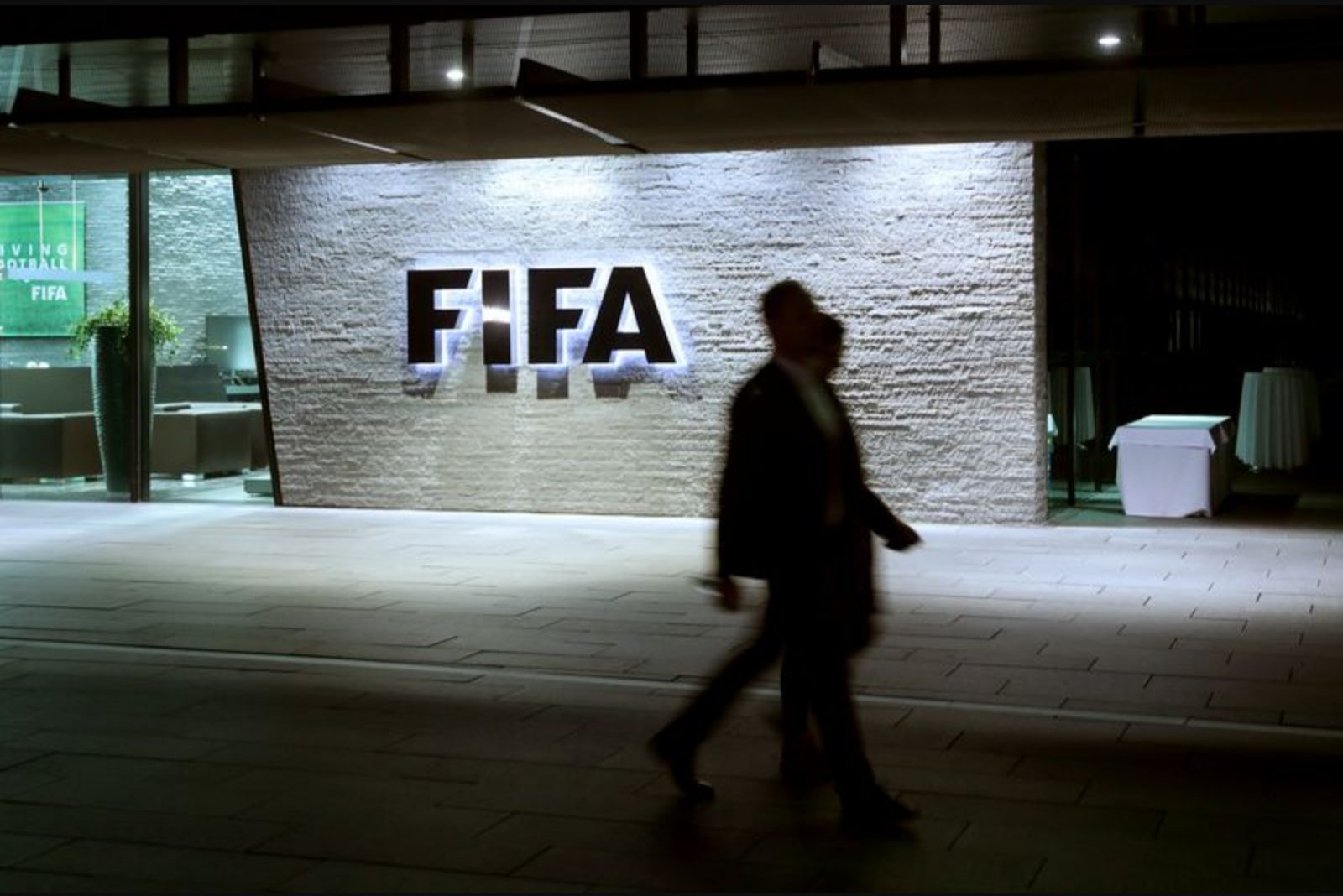
On Wednesday, the attorneys general of New York and New Jersey announced they had issued a subpoena to FIFA focused on the governing body's ticketing procedures for the 2026 World Cup, citing media reports and consumer complaints about seat assignments and pricing.
The subpoena specifically seeks documentation and details related to ticketing practices for the eight matches scheduled in New Jersey, among them the final set for July 19. State officials say the inquiry was prompted after multiple fans reported discrepancies between the ticket categories they purchased and the seats they ultimately received.
According to the statement from the two offices, some buyers who selected and paid for Category 1 tickets - described as the areas closest to the field - were instead allocated seats located in Category 2 sections, which are positioned further back. The attorneys general framed the matter as one of consumer protection and marketplace transparency.
New York Attorney General Letitia James emphasized the stakes for local fans, saying, "New Yorkers have been waiting years for the World Cup to come to their backyard, and they deserve a fair shot at affordable tickets. No one should be manipulated into paying sky-high prices for seats, and fans should be able to trust that the tickets they purchase will be the ones they receive."
New Jersey Attorney General Jennifer Davenport also pointed to pricing and sales practices. The offices said they will investigate FIFA's ticket prices for 2026 matches, asserting that prices have "far exceeded" those of any previous World Cup tournament. Davenport added, "Being honest about ticket sales is not complicated. But FIFA has turned buying a ticket to the World Cup into a gauntlet of confusion, fake scarcity, and impossibly high prices - all at the expense of consumers and hardworking New Jerseyans."
FIFA declined to comment on the subpoena. The 2026 World Cup is scheduled to begin on June 11 and will be hosted by the U.S., Canada and Mexico.
The subpoenas and the stated scope of the inquiry highlight state-level enforcement tools aimed at ensuring that ticket sales and allocation practices match consumer expectations and advertised categories. The New York and New Jersey offices have requested transparency about both the mechanics of seat allocation and the pricing structures applied to matches in their jurisdictions.
At this stage, the attorneys general are gathering information rather than announcing charges or remedies. Their statements indicate a focus on whether consumers were charged for a particular category of seats but received different, lower-category placements, and whether pricing for the tournament deviated substantially from historical norms.
The investigation is likely to generate scrutiny of how large-scale international sporting events manage ticket inventory and disclose pricing to buyers, and it will determine whether further enforcement actions are warranted based on the materials FIFA provides in response to the subpoena.