
Overview
A May poll by Agam Labs at Israel’s Hebrew University shows that support for Prime Minister Benjamin Netanyahu’s Likud party has fallen sharply among voters in Israel’s north, the region that has borne the brunt of rocket and drone strikes from Hezbollah. The findings come as a truce agreement was reached on Wednesday evening between Israel and Lebanon - an arrangement that many northern residents say may not meet their demands for security.
Polling and political stakes
The Agam Labs survey indicates that only 23% of voters in the north now say they would back Likud in the next election, down from 35% at the last ballot in 2022. Support for the broader right-wing bloc that currently forms Netanyahu’s coalition has dropped even further among northern respondents. Around 70% of those surveyed in the region said they disapprove of the government’s handling of the war in Lebanon - a rate higher than in other parts of Israel.
Those numbers matter: the north accounts for roughly one fifth of Israel’s electorate, and a sustained shift away from Likud there could imperil Netanyahu’s governing coalition and his long record as the country’s dominant political figure. The general election, due by October, presents a potential turning point if the trends shown in the poll persist.
Security, public sentiment and ceasefire doubts
For many northern residents, the paramount concern is ending the threat posed by Hezbollah’s near-daily attacks. In Kiryat Shmona, where roughly half of voters supported Likud at the last election, the urgency of protection drives voters’ priorities. When air-raid sirens sound, residents have only seconds to reach shelter, and that constant risk shapes attitudes toward any negotiated pause in fighting.
"All night there are loud explosions," said Moshe Yifrah, 45, a resident of Kiryat Shmona. He added that he does not believe a ceasefire with Hezbollah would protect his family. "Who would we make it with? Murderers who want to kill us?"
The region has seen significant casualties and damage during the campaign of cross-border hostilities. According to Tel Aviv University’s Institute for National Security Studies, more than 50 civilians in northern Israel have been killed by Hezbollah fire since October 2023. In Lebanon, statements by Lebanese officials report more than 7,500 people killed by Israeli military action since October 2023; those statements do not distinguish between civilians and combatants.
Recent combat history and shifts in fighting
Hezbollah began firing into Israel after the Hamas attack of October 7, 2023. Israel responded with a heavy military campaign in Lebanon that resulted in the deaths of many of the group’s leaders and forced an earlier ceasefire. Fighting resumed when Hezbollah launched further attacks after Israel and the United States launched a war on Iran on February 28, prompting Israel to intensify operations and seize swathes of south Lebanon.
Even after an April truce, some northern voters say they wanted the campaign to continue until Hezbollah was dismantled. Many in the north view Netanyahu as yielding to pressure from the United States to agree to a ceasefire, with a number of respondents directly critical of the influence of U.S. policy on Israeli decisions.
"I’m not ashamed to say that I voted for this government, but it turns out that the one managing it is President Trump," said Moshe Yifrah.
Political response and rival campaigns
Netanyahu’s political opponents have used the security debate to underscore their own hawkish credentials. Former military chief of staff Gadi Eizenkot, who is running for prime minister, said in a speech that "Everywhere Hezbollah is deployed it must be struck and the hands of the IDF should not be tied." Eizenkot has visited northern communities more than 15 times in recent weeks, pressing a message of stronger action; Netanyahu, by contrast, has not been visiting the region as frequently.
The Wednesday evening truce included a condition requiring Hezbollah forces to leave south Lebanon. Netanyahu said that despite the ceasefire, military operations would continue for the time being. Critics of the prime minister quickly accused him of compromising on national security after he ordered new strikes on Beirut’s southern suburbs, a move that preceded statements from U.S. officials that a de-escalation had been agreed between Israel and Hezbollah.
Local conditions and electoral consequences
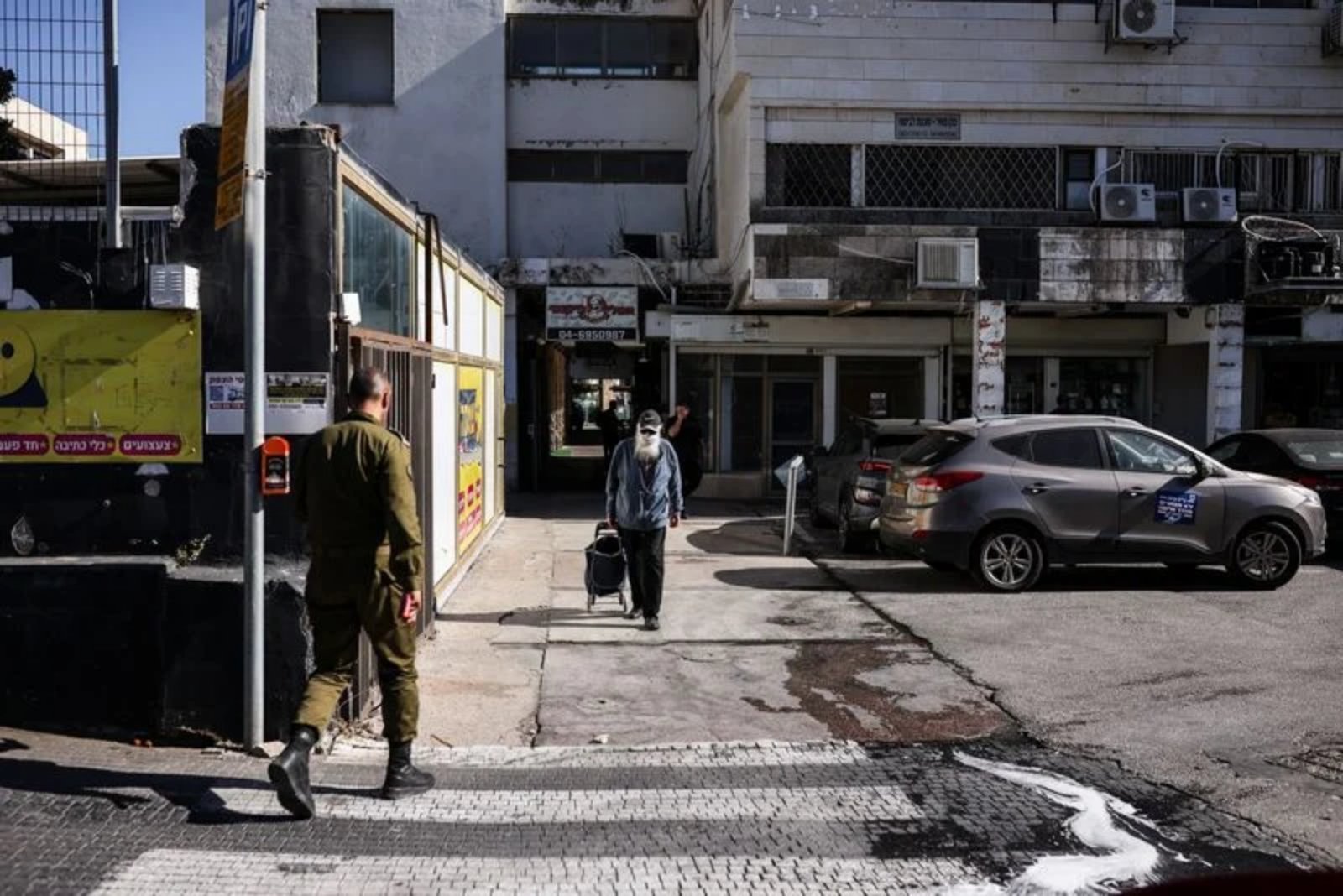
On a recent visit to Kiryat Shmona, the town appeared diminished from its former role as a regional center of agriculture and tourism. Residents described the town as a ghost town, with closed shops and vacant public spaces. The chairperson of the local Likud branch did not respond to requests for comment on the party’s declining support in regional polls.
Yisrael Cohen, 40, who previously supported Likud but says he will not do so in the next election, urged the prime minister to visit. "He should come visit," Cohen said. "The government needs to see us."
Nimrod Nir of Agam Labs characterized the movement in voter sentiment as notable. "We see a dramatic shift," he said. "It’s almost a mirror image of what we saw regarding the past elections, with two thirds intending to vote for the anti-Netanyahu bloc."
What this means going forward
The survey results illuminate a widening gap between the policy preferences of a heavily affected northern electorate and the diplomatic pressures tied to broader regional negotiations. Whether the decline in support for Netanyahu in the north will translate into a decisive national swing remains an open question, but the combination of sustained attacks, local economic decline, and visible political campaigning by rivals has crystallized a local backlash that could have national implications ahead of the October general election.