
Israeli Prime Minister Benjamin Netanyahu instructed the military on Monday to carry out attacks against Hezbollah-controlled areas in the southern suburbs of Beirut, reigniting tensions on a front that has complicated efforts to mediate a wider U.S.-Iran-linked conflict.
A statement from Netanyahu's office said the order, also directed by Defence Minister Israel Katz, targeted what they called "terrorist targets" in Dahiyeh, following what the government described as Hezbollah's "repeated violations" of a ceasefire and "attacks against our cities and citizens".
Iran's foreign ministry spokesperson, Esmaeil Baghaei, said on Monday that Israeli operations in Lebanon were among the factors delaying the diplomatic process aimed at ending the U.S.-Iran war, and reiterated that a Lebanon ceasefire was an integral part of any deal. The Iranian comment framed the strikes as a complicating element for negotiators seeking a cessation of hostilities.
Earlier in the conflict, Israel pounded Dahiyeh in the opening weeks. Since U.S. President Donald Trump announced a Lebanon ceasefire on April 16, Israel has carried out only two strikes on the area, even as fighting continued elsewhere in southern Lebanon. The renewed orders to target the southern suburbs mark a shift in activity around Beirut.
Ground operations intensify in the south
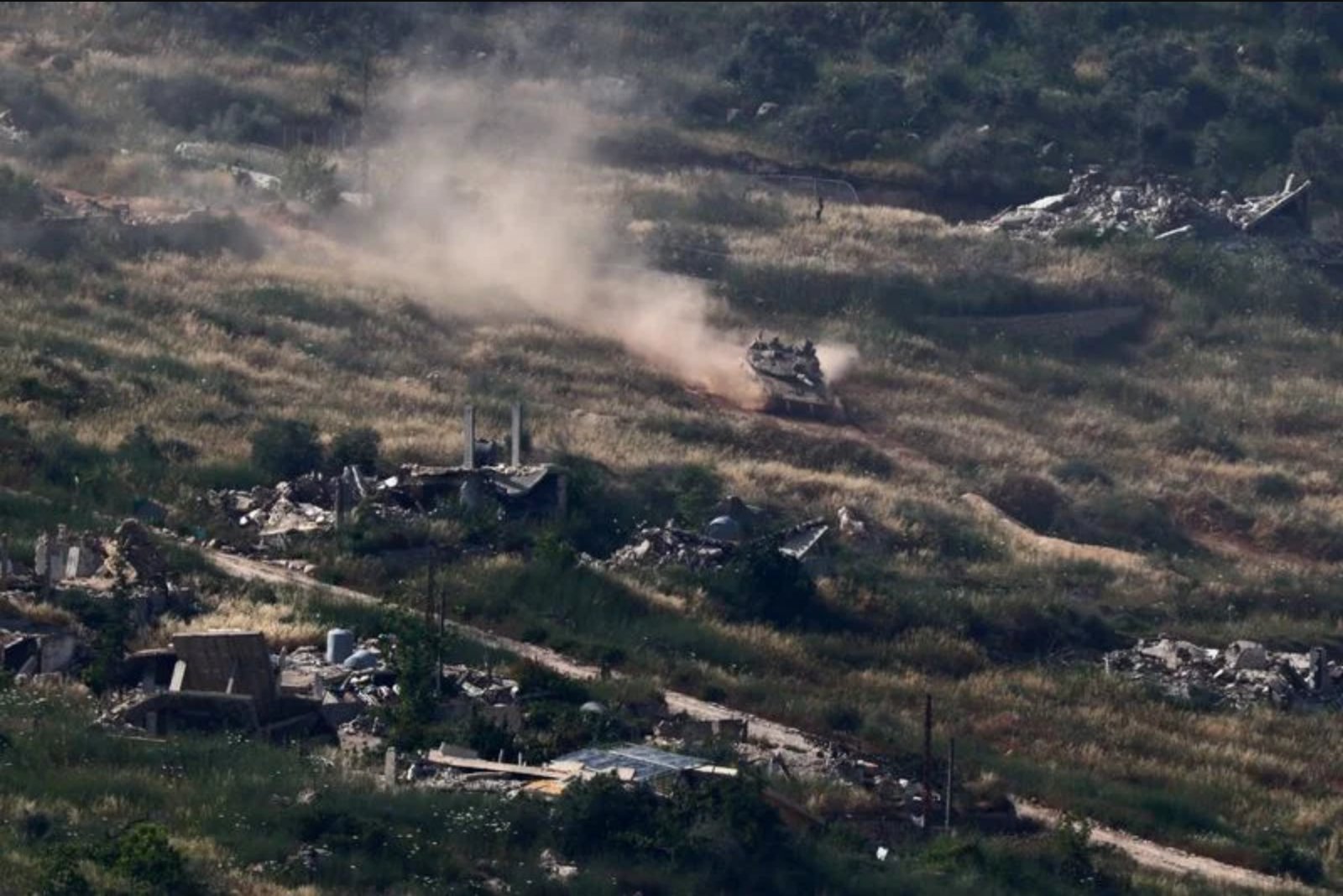
The order for strikes followed an escalation of military activity in southern Lebanon over the weekend. Israeli forces captured the 900-year-old Beaufort Castle, and Netanyahu ordered a broadening of ground operations, saying the military should "deepen and expand our grip on the places that were under Hezbollah's control".
Lebanese authorities report heavy human costs from the campaign in their country. They say more than 3,370 people have been killed in Lebanon as a result of Israeli attacks since March 2, when Hezbollah opened fire at Israel in support of Iran as it came under U.S.-Israeli attack. Israel, for its part, says 24 of its soldiers and four civilians have been killed over the same period.
Israel has declared a security zone in southern Lebanon where it has carried out extensive demolitions of villages, saying that the actions intend to shield northern Israel from Hezbollah militants embedded among civilians. Lebanese authorities say the fighting in Lebanon is the deadliest spillover of the U.S.-Israeli conflict with Iran and has forced more than 1 million people to flee their homes.
Diplomacy and ceasefire proposals
Efforts to negotiate a de-escalation have continued in parallel with the fighting, but sources describe growing strain on a U.S.-led diplomatic track. The United States has convened a series of rare meetings between representatives of Israel and Lebanon since the outbreak of hostilities, with Lebanon participating despite strong objections from Hezbollah.
A U.S. official said on Sunday that Secretary of State Marco Rubio spoke with both Lebanese President Joseph Aoun and Israeli Prime Minister Benjamin Netanyahu about negotiations between Israel and Lebanon and proposed a plan intended to allow "gradual de-escalation". The U.S. proposal would have Hezbollah stop all attacks on Israel as a first step, and in return Israel would refrain from escalation in Beirut, the official said. That pause, the official added, was intended to create space for gradual de-escalation and an effective cessation of hostilities.
The official said President Aoun tried to advance the proposal and secure an agreement. But a Lebanese source familiar with the diplomacy between Beirut and Washington said Netanyahu's Monday announcement reflected a deterioration of the U.S.-led diplomatic track in recent days.
Hezbollah and Lebanese political responses
Accusing Israel of violating ceasefires and asserting the right to resist what it calls occupation, Hezbollah said it conducted 21 operations on Sunday, including firing a rocket salvo at what it described as Israeli military infrastructure in the Israeli city of Nahariya.
Lebanese Parliament Speaker Nabih Berri, reported by Lebanese media as a close ally of Hezbollah, said he would "guarantee" Hezbollah's commitment to a ceasefire while placing the responsibility on Israel to stop "shooting first". Berri said he would guarantee "full and immediate commitment to a ceasefire by the resistance" and asked who would compel Israel to halt its attacks.
International response
Citing the escalating violence in Lebanon, France called for an emergency meeting of the United Nations Security Council on Monday. The request reflects concerns among international actors about the widening humanitarian toll and the potential for further regional spillover.
As the diplomatic discussions and military actions continue, each development appears to influence the other. Iranian statements that Israeli strikes are delaying talks, the U.S. proposal for a stepwise de-escalation, and the renewed orders for strikes on Dahiyeh combine to underscore the fragile, contested path toward a cessation of hostilities.
At the center of the dispute are competing claims about who must first cease fire. Lebanese officials and political figures have called for Israel to stop what they describe as aggression, while Israeli leaders have pointed to Hezbollah's operations and attacks as justification for new strikes and expanded ground activity.
With significant casualties reported on both sides, mass displacement inside Lebanon, and intensified ground operations in the south, the immediate outlook remains uncertain. The interplay between battlefield developments and fragile diplomacy underlines the risks of further escalation and the difficulty of achieving a sustainable ceasefire.