
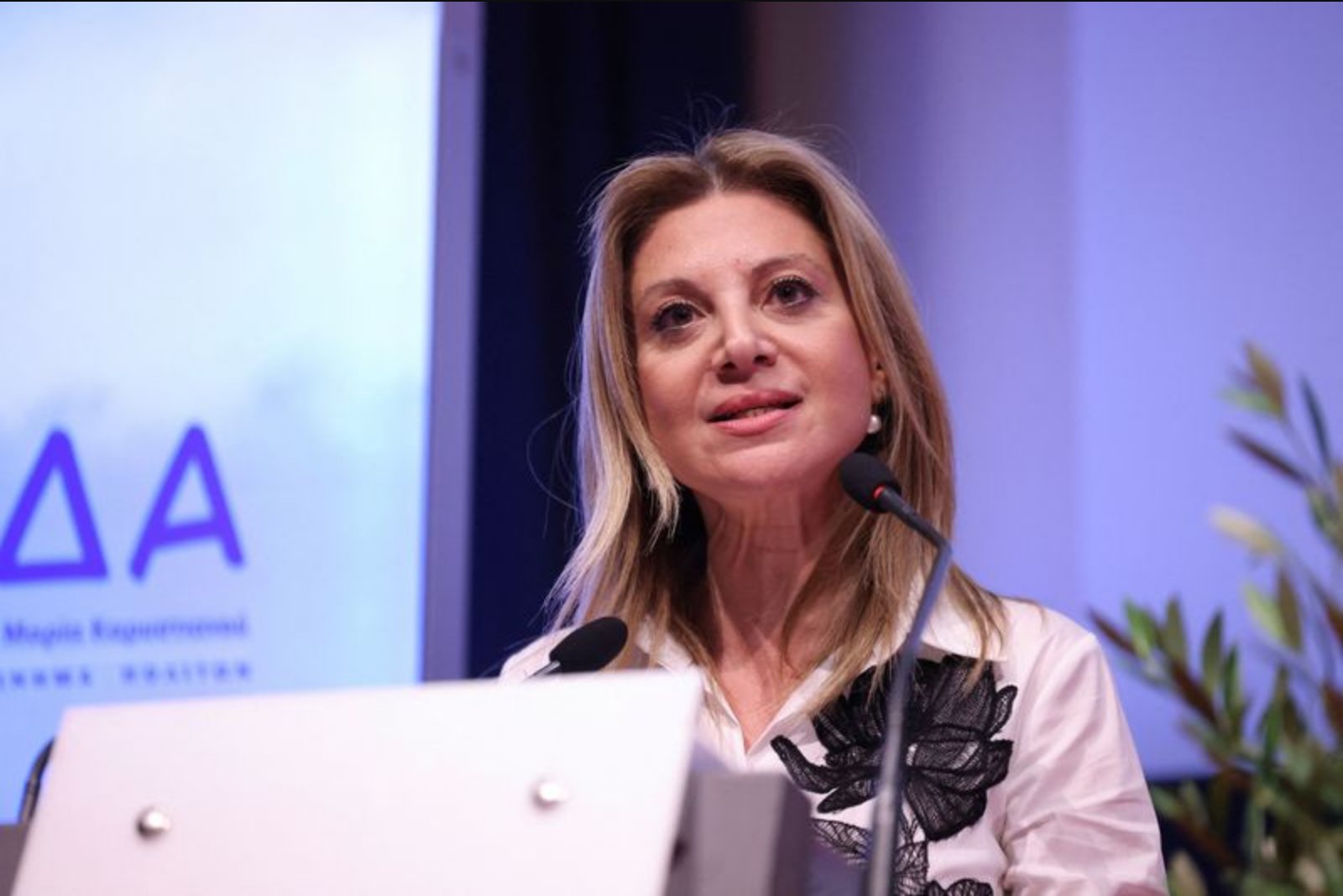
Maria Karystianou, a doctor who lost her 20-year-old daughter Marthi in the Tempi train disaster that killed 57 people in 2023, publicly launched a political movement on Thursday aimed at converting the anger and mistrust sparked by the crash into organized political force.
The party, called Hope for Democracy, was unveiled in a packed cinema theatre in Thessaloniki, where attendees watched the event inside and on a large screen outside. Karystianou, 53, became a prominent campaigner seeking justice for victims of the Tempi crash and was instrumental in mobilising hundreds of thousands of people across Greece in the largest street demonstrations in years.
Campaign and the ongoing trial
Karystianou rose to public prominence after the crash, which investigators linked to safety failures and long-term neglect of Greece's railway infrastructure. A trial involving 36 defendants is underway. The accused include a station master, rail managers and former executives of the railway operator. Charges range from traffic disruption that led to the deaths through to negligent manslaughter and causing bodily harm.
No politicians have been charged in connection with the disaster, and relatives of victims have publicly accused the government of attempting to cover up aspects of the incident - an allegation the government denies.
From grief to politics
Karystianou described her step into the political arena as unavoidable. "I realised that there was no room for remaining uninvolved, for being indifferent," she told reporters. She framed her aim succinctly: "To fight for what they stripped me of, the implementation of the law." A paediatrician by training, Karystianou has no previous experience in elected office or party politics, a fact she has presented as a strength in a political culture she said is dominated by hostile rivalries and recycled policy agendas.
Her emergence on the political stage follows a period of high-profile activism. Last year she helped organise mass demonstrations demanding accountability for the crash and justice for victims' families, drawing large crowds across the country.
Policy focus and public reception
During the launch event Karystianou promised to center her party's agenda on transport safety, health and education reforms, and a campaign against corruption and for greater transparency in state contracting and the banking system. The event included direct appeals to citizens who feel disenfranchised by existing political options.
In January she was the subject of controversy after a media interview in which she said she was "split on the issue of abortion," prompting criticism from leftist opposition parties who said the remarks posed a risk to women's legal rights. Karystianou later clarified that she recognises a woman's right to choose.
Electoral prospects and political context
Opinion research conducted by Alco for Alpha TV this month found that 15% of respondents would consider voting for a party launched by Karystianou. If that level of support were realised at the ballot box, it could translate into parliamentary representation and create leverage in an opposition landscape described as fragmented.
The launch of Hope for Democracy comes at a moment of declining support for Prime Minister Kyriakos Mitsotakis' New Democracy party, which recent polls place between 23% and 29% - the strongest single showing but well under the 41% it won in the 2023 election. Mitsotakis has pledged measures including modernising the railway network and reviewing ministers' legal immunity.
Address to supporters
"I stand before you today, not because I followed a political path. I did not grow up in a party machine, I do not belong to political families," Karystianou said to the assembled crowd. "I stand here today as a mother, as a citizen in this country... as a person who was forced to confront head-on the ills that we have all been experiencing for years, but few name."
The new party's platform and public profile will be watched closely as Greece heads toward a national election within the next 12 months. For now, Karystianou is positioning herself as an outsider voice driven by personal loss and a campaign for legal accountability and systemic reforms in transport, health and public contracting.