
World May 25, 2026 02:40 PM

Meloni's Coalition Holds Venice Mayoral Seat Against Poll Predictions

Centre-right clinches Venice with Simone Venturini narrowly over 50% as local votes across Italy deliver mixed outcomes for national blocs

By Ajmal Hussain

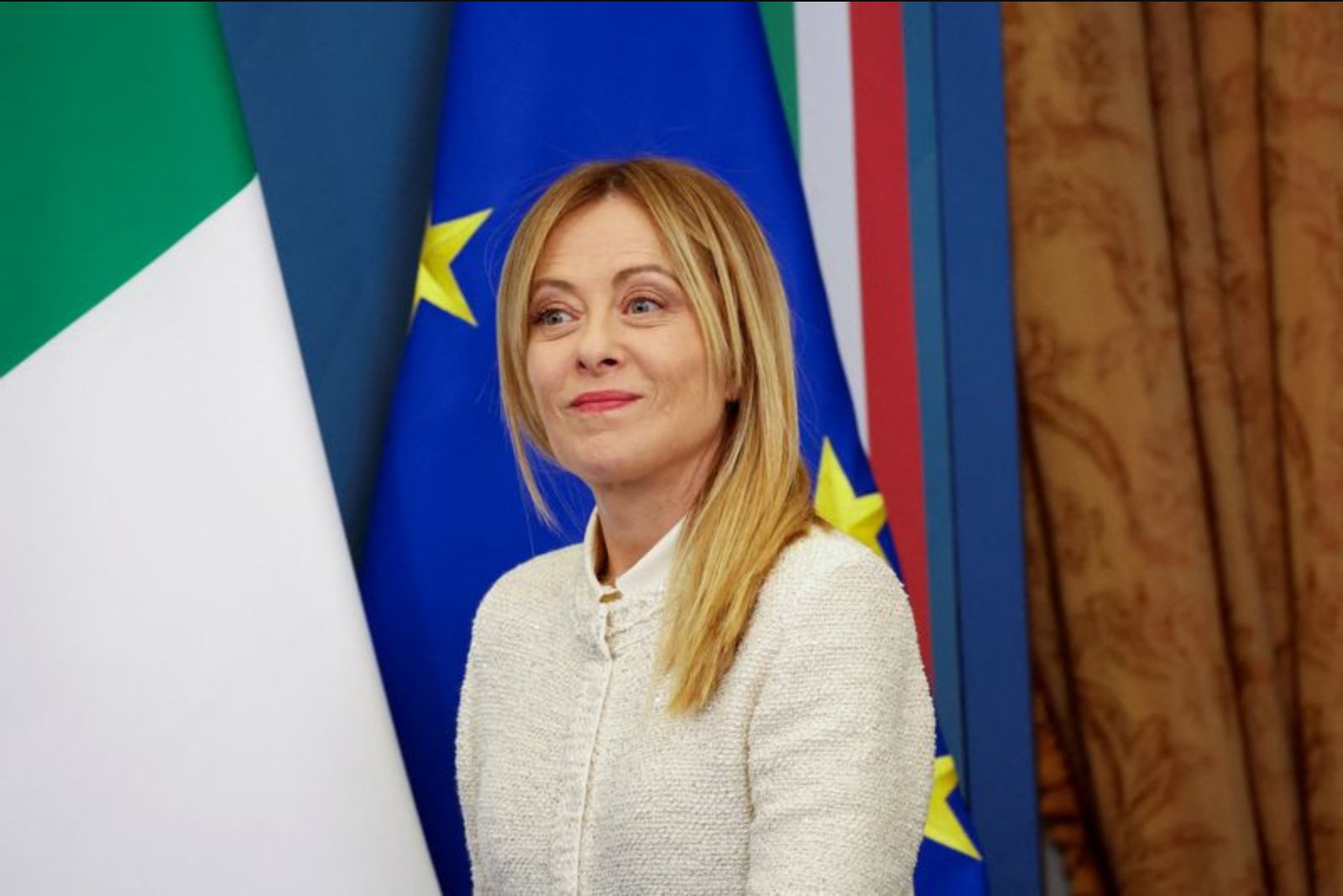
Projections show Prime Minister Giorgia Meloni's right-wing coalition retained control of Venice as centre-right candidate Simone Venturini secured nearly 51% of the vote, defying pre-election polls that had favoured the centre-left. The municipal ballots, conducted in more than 600 towns and cities, represent the first electoral test since a justice referendum setback for Meloni in March and are among the last votes before next year’s general election.

Meloni's Coalition Holds Venice Mayoral Seat Against Poll Predictions

Key Points

  • Prime Minister Giorgia Meloni's right-wing coalition retained the Venice mayoralty with Simone Venturini winning nearly 51%, avoiding a runoff - sectors impacted include local governance and tourism in Venice.
  • More than 600 municipalities voted in the round, the first test since the March justice referendum defeat that was a notable setback for Meloni; this underscores ongoing political volatility affecting public policy planning and regional investment decisions.
  • Other significant local results: Vincenzo De Luca won a fifth term in Salerno; Federico Basile, unaffiliated with the main coalitions, won reelection in Messina; centre-right largely prevailed in Reggio Calabria - implications for regional infrastructure and public services budgets.

ROME, May 25 - Projections on Monday indicated that Prime Minister Giorgia Meloni's right-wing coalition won the mayoral contest in Venice, preserving control of the highest-profile city contested in a wider round of local elections held across Italy.

Voting took place in more than 600 towns and cities, marking the first electoral assessment for the government since a bruising defeat in a justice referendum in March. That referendum result was described as a setback for Meloni and represented what has been characterized as her most significant reversal since taking office in 2022.

Venice has been under right-wing municipal leadership for the past decade, and the campaign here unfolded amid controversy in recent weeks over Russia's presence at the Biennale Art Festival. Opinion polls published earlier this month had indicated a lead for the centre-left in the Venetian contest.

Contrary to those polls, projections showed centre-right candidate Simone Venturini winning nearly 51% of the vote, with his nearest rival at about 39%. Venturini's share exceeded the threshold that would have forced a runoff, making a second round unnecessary in the city.

Polling firm Youtrend declared the result for Venturini, saying the margin of his lead removed any remaining doubt about the outcome.

"(Opposition) turned up in Venice convinced they could push the narrative that Meloni was finished, that the centre-right was in crisis. Then Italians went to the polls and those expectations ran up against reality," said Giovanni Donzelli, a senior lawmaker with Meloni's Brothers of Italy party.

The municipal elections were among the final local ballots before the general elections scheduled for next year. Observers noted the two main national blocs are increasingly seen as neck-and-neck in a contest that will influence the balance of power going into 2027.


Alongside Venice, several other city contests delivered notable results. In Salerno, on the Amalfi Coast in southern Campania, Vincenzo De Luca was returned to office for a fifth term; De Luca has previously served 10 years as regional governor in a centre-left coalition. In the Sicilian city of Messina, former Mayor Federico Basile, who is not aligned with either of the main national coalitions, secured another term.

The centre-right also performed strongly in Reggio Calabria, where it largely prevailed after a period of left-wing local rule that had lasted since 2014.

These local outcomes, taken together, offer a mixed picture for both national blocs as they head toward the next general election cycle.

Risks

  • Pre-election opinion polls proved inaccurate in Venice, introducing uncertainty about the reliability of polls ahead of national elections - this polling uncertainty can affect investor sentiment in sectors sensitive to political outcomes, such as public contracts and infrastructure.
  • Political momentum remains unsettled after the March referendum defeat and mixed municipal results, creating uncertainty about future policy direction at the national level - this uncertainty could influence markets and sectors tied to fiscal and regulatory policy, including construction and regional development.
  • Local controversies, such as the debate over Russia's presence at the Venice Biennale, may influence voter behavior in culturally-dependent economies like tourism and the arts, adding reputational and demand risks to those sectors.

More from World

Zelenskiy Invites Putin to Direct Talks in Open Letter, Proposes Ceasefire During Negotiations Jun 4, 2026 Zelenskyy Calls for Direct Talks With Putin, Offering Ceasefire During Negotiations Jun 4, 2026 Putin Says Russia Will Prevail if Needed, But Offers Diplomacy Backed by Unspecified Compromises Jun 4, 2026 Steering Board Fails to Name Successor to Bosnia’s High Representative Jun 4, 2026 Why U.S.-Brokered Truces Have Not Halted Fighting Across the Middle East Jun 4, 2026