
Japan's defence chief pushed back on accusations that the country is embracing a new era of militarism while sharply criticising Beijing for enlarging its military capabilities without sufficient transparency, underscoring rising tensions between the two Asian powers.
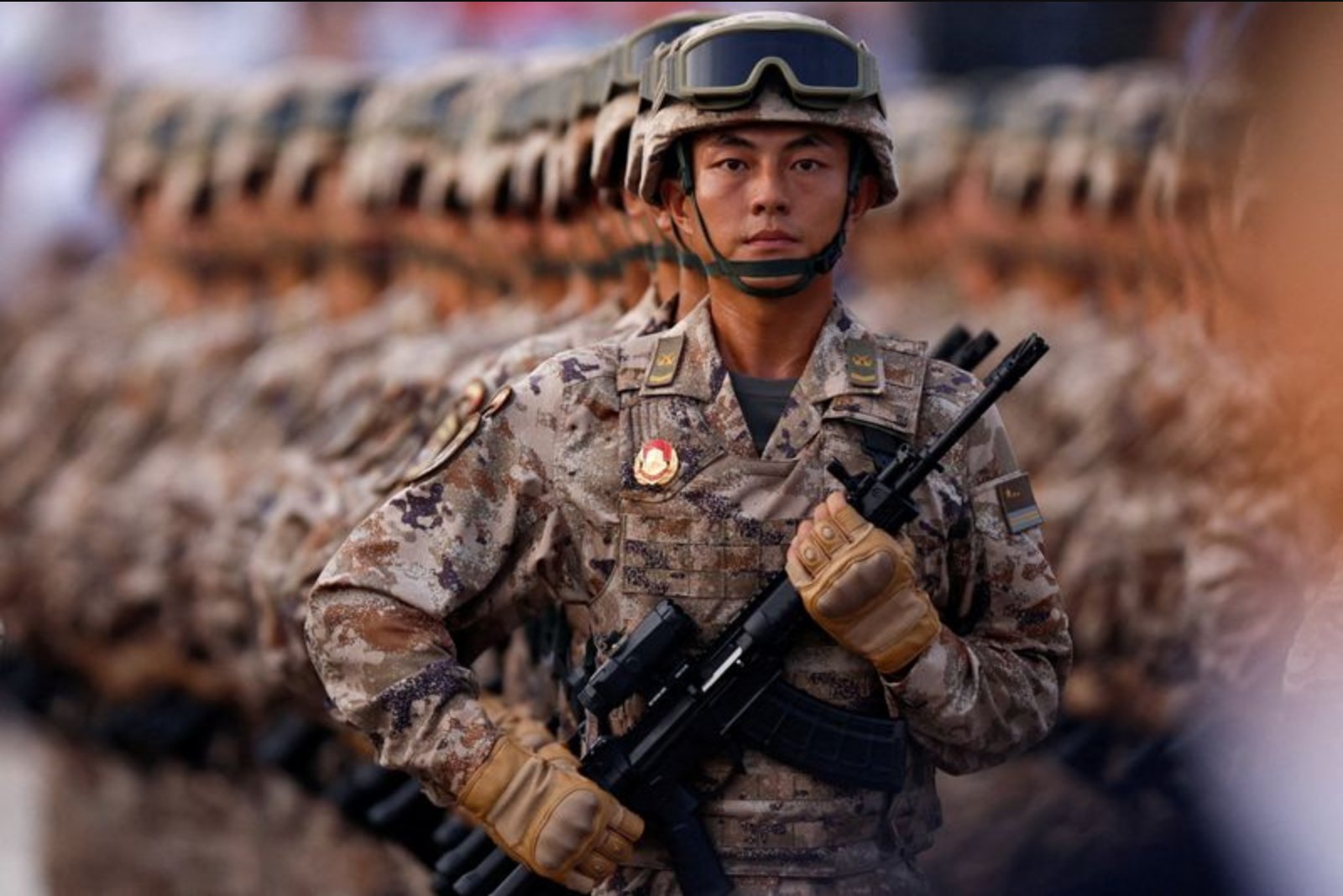
Speaking at the Shangri-La Dialogue in Singapore on Sunday, Shinjiro Koizumi said China continues to increase its defence spending at a high level and warned that such moves, combined with an outward posture and intensified military activity, are "matters of serious concern for Japan and the international community at the same time."
In response to suggestions that Tokyo has adopted a more militaristic stance, Koizumi urged observers to consider the differences in capabilities, saying: "Think about it. There's a country that has a huge arsenal of nuclear weapons and strategic bombers. Japan has neither of such weapons, and yet Japan is labelled 'new militarism'?"
He framed Japan's posture as consistent with a post-Second World War trajectory, noting that since that time the country "has consistently respected international law, including the Charter of the United Nations, and has made sincere efforts to maintain and strengthen a free and open international order."
The remarks came amid reciprocal rhetoric in the region. In May, China's foreign ministry urged Asia-Pacific states to be vigilant and to "jointly resist the reckless actions of Japan's neo-militarism", language that reflects deteriorating diplomatic tones between Tokyo and Beijing.
Tensions between the two countries deepened after Japanese Prime Minister Sanae Takaichi said in November that a hypothetical Chinese attack on Taiwan could prompt a Japanese military response. China regards democratically governed Taiwan as its own territory, a position that is opposed by Taipei's government.
Koizumi also expressed regret that he was unable to meet his Chinese counterpart at the security forum, saying he felt "sad" about the missed opportunity. He added that Japan keeps the door open to dialogue and that he remains committed to communicating with relevant countries, including China, "for the peace and stability in the region and of the world."
For the second consecutive year, Chinese Defence Minister Dong Jun did not attend the Singapore security meeting, foregoing opportunities to engage with other defence leaders at the forum.
On policy moves, Koizumi said Japan is "determined" to assume a fresh role in defence equipment cooperation across the Asia-Pacific and to materially bolster deterrence in the region. Tokyo in April announced its most significant revision of defence export regulations in decades, removing prior restrictions on overseas arms sales and enabling exports of warships, missiles and other weapons.
Context and implications
Koizumi's comments at the Shangri-La Dialogue highlight both Tokyo's defence policy shifts and the contested strategic environment in East Asia. While asserting Japan's adherence to international law and restraint in weapons development, his statements also point to concerns about transparency and capability growth elsewhere in the region.