
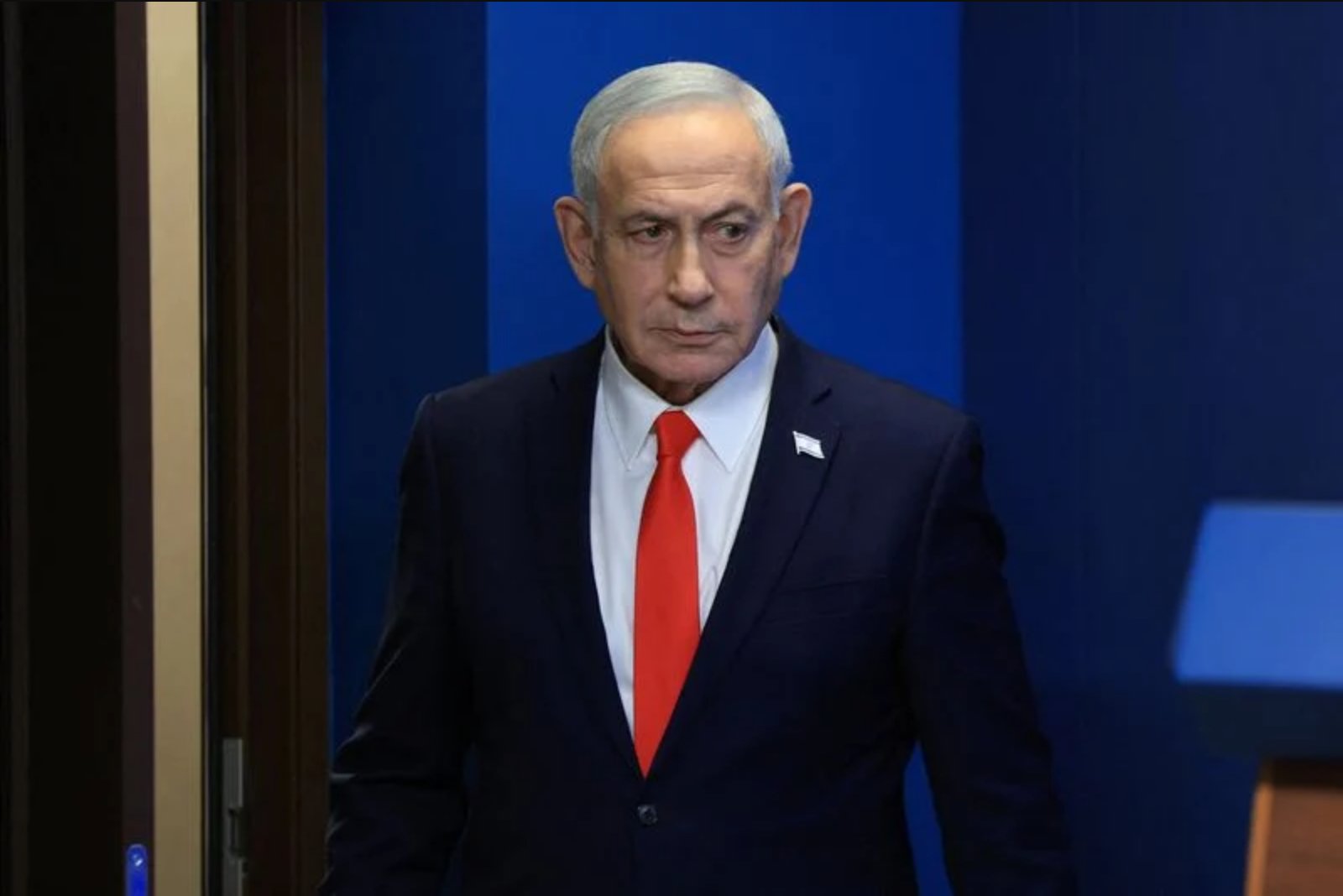
Israel’s cabinet on Sunday decided to repudiate a Supreme Court order concerning the nation’s broadcast regulator, a move that officials said was necessary because the regulator no longer meets a statutory membership threshold. The vote, taken unanimously by ministers, directly challenges a June 17 court ruling that instructed the Second Authority for Television and Radio to continue its work despite questions about its membership.
Communications Minister Shlomo Karhi and Justice Minister Yariv Levin issued a prompt statement following the cabinet decision saying the government would not recognise the court’s decision and would use "all legal means at its disposal to nullify the decision." The pair said the authority lacks the legally required minimum number of members and therefore has no legitimate power to approve appointments or take other actions until that threshold is restored.
The cabinet’s position represents the first occasion on which Prime Minister Benjamin Netanyahu’s government has openly refused to comply with a Supreme Court decision. While the administration has previously clashed with the judiciary and in 2022 proposed measures to curb the court’s powers, that earlier plan was abandoned after the October 7, 2023, Hamas attacks.
Karhi criticised the judiciary, asserting that judges are not parliament, and warned that any decisions issued by the media regulator while he deems it illegitimate would be "worthless." Levin, a prominent advocate of judicial reform within the government, stated that when parliament enacts a law the court must abide by it. Together they advanced a proposal that the government should not recognise any council decisions or actions until the legal membership threshold is met.
Opposition leaders reacted swiftly and scathingly to the cabinet’s move. Yair Lapid said "the government had turned criminal" and described the situation as "the most serious constitutional crisis in Israel’s history. It’s the destruction of the foundations of our democracy." Former prime minister Naftali Bennett warned that "Not adhering to court rulings brings anarchy in the streets and the disintegration of our country." Gadi Eisenkot, who is leading in polls to replace Netanyahu, said the government was "raising a hand against Israeli democracy" and accused Netanyahu of "dividing Israel."
Prime Minister Netanyahu himself has not publicly commented on the cabinet decision.
Legal experts and political opponents have voiced concern that refusing to follow a Supreme Court order could precipitate a constitutional crisis. The cabinet argued that a court ruling that conflicts with statute is not binding on the government and that actions taken under such a ruling would be null and void.
The dispute has potential practical ramifications beyond institutional tensions. The cabinet’s stance could influence whether a planned sale of Israel’s Channel 13, one of the country’s major commercial television networks, to a consortium of high-tech entrepreneurs receives regulatory approval. The decision may also affect the status of Channel 14, a pro-government outlet, including whether it maintains its designation as a "small channel," a classification that carries regulatory benefits and exemptions.
A new election is anticipated but has not been scheduled; sources expect it could occur in September or October. In the meantime, the cabinet’s rejection of the court order and the standoff it has created have intensified debate about the separation of powers and the stability of regulatory oversight in areas that can have market and commercial consequences.
The cabinet vote and the reactions it generated underscore the depth of political polarization in Israel today. Government ministers framed the action as a defense of statutory law and parliamentary primacy; opponents and some former officials framed it as a dangerous affront to judicial authority that risks destabilising the country’s democratic norms and the legal predictability relied on by market participants.
How the standoff will be resolved remains unclear. The cabinet said it intends to pursue legal avenues to overturn the court decision, while the court, by ordering the regulator to continue, has signalled its view that the authority should remain operational despite government objections. The immediate effect on regulatory approvals and media-sector transactions will depend on how this institutional contest is settled.