
World August 18, 2026 11:53 AM

Parti Québécois Shelves Referendum While Trump Is U.S. President

Leader cites risk of American political turbulence undermining a calm, informed debate; any vote deferred until after Jan. 20, 2029

By Avery Klein
Share
Twitter Reddit Facebook LinkedIn

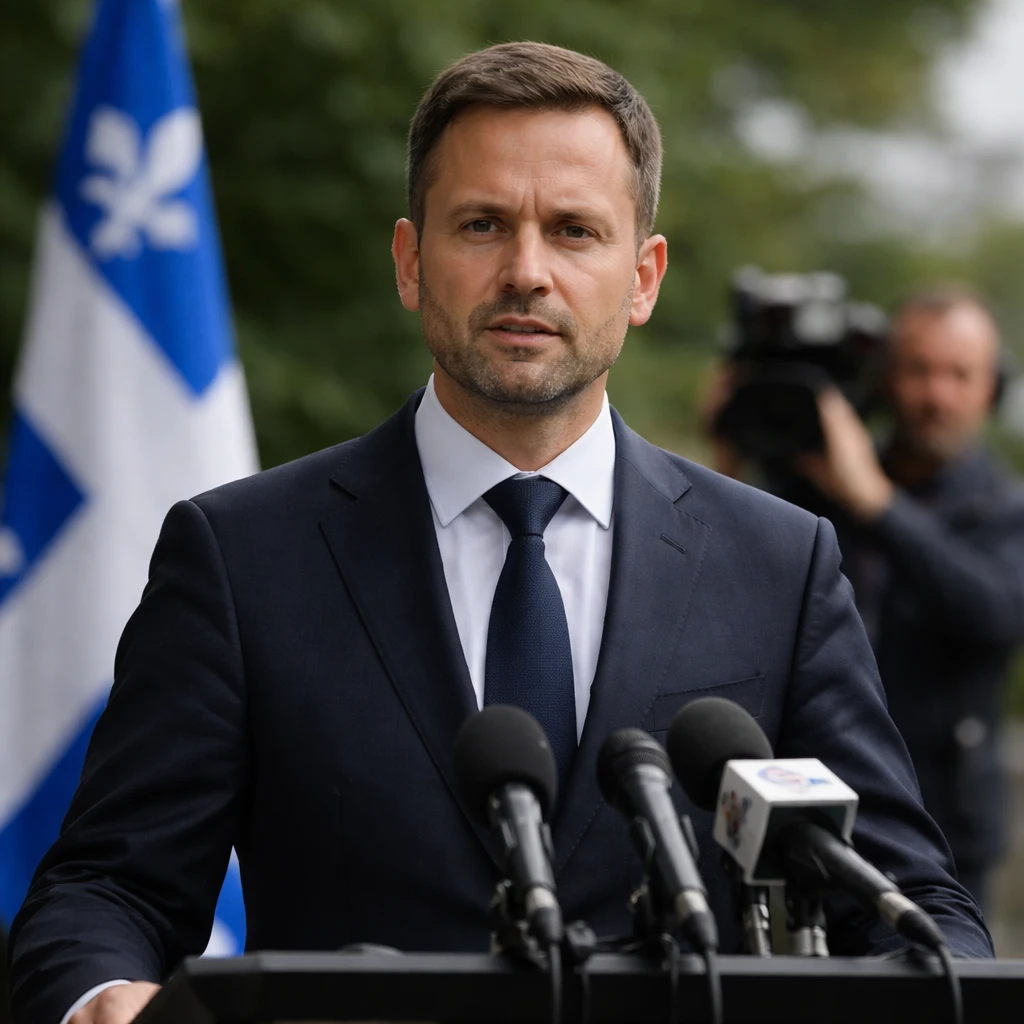
The Parti Québécois announced it will not hold a referendum on Quebec independence while Donald Trump remains president of the United States, postponing any potential vote until after Jan. 20, 2029. Party leader Paul St-Pierre Plamondon said the decision is aimed at protecting the conditions for a serene, informed public discussion. The party, which leads in polls ahead of the Oct. 5 election, said it will still consult Quebecers on sovereignty during its first term if elected and will prioritize domestic issues such as homelessness and housing.

Parti Québécois Shelves Referendum While Trump Is U.S. President
Summarize with
ChatGPT Perplexity Claude Grok Gemini

Key Points

  • The Parti Québécois will not hold a referendum on Quebec independence while Donald Trump is president of the United States, postponing any vote until after Jan. 20, 2029 - impacts political planning in Quebec and provincial governance.
  • Paul St-Pierre Plamondon announced the decision in a social media post on Monday, saying the province needs conditions that allow for a calm, informed debate free from foreign political upheaval - relevant to public sector and institutional stability.
  • The party leads in polls ahead of the Oct. 5 election and says it will consult Quebecers on independence during its first term if elected, while prioritizing homelessness, cost-of-living, housing shortages and public service management - affecting social services and housing markets.

The Parti Québécois declared that it will not pursue a referendum on Quebec independence for the duration of Donald Trump’s presidency, effectively delaying any such vote until after Jan. 20, 2029.

Party leader Paul St-Pierre Plamondon revealed the stance in a social media post on Monday, arguing that the province’s future requires conditions conducive to an informed and serene civic debate. In his remarks, St-Pierre Plamondon warned against letting the issue be overtaken by external political turbulence.

"It must not be hijacked by the upheavals of American politics, nor by the outbursts of an unpredictable president, nor by fear campaigns," St-Pierre Plamondon said.

The announcement comes as the Parti Québécois leads in polls ahead of Quebec’s Oct. 5 election. St-Pierre Plamondon reiterated that, if the party wins and forms a government, it will consult Quebecers on the question of independence during its first term - a pledge he has maintained for six years.

Beyond the referendum timeline, St-Pierre Plamondon outlined a domestic agenda for a PQ government that centers on several pressing provincial challenges. He said the party would address homelessness, the cost-of-living crisis, housing shortages and the management of public services. The platform includes plans to pare back bureaucracy and to work toward restoring public confidence in Quebec institutions following what the party characterizes as scandals involving public funds.

St-Pierre Plamondon also made clear that the decision to delay a referendum is not an absolute bar to advancing separatist objectives. He noted that a PQ government could still pursue elements of a separatist agenda prior to 2029, even as it refrains from calling a referendum while the current U.S. presidency continues.

According to St-Pierre Plamondon, the unpredictable nature of the American administration would damage the quality of public discussion on Quebec’s future as a nation, a dynamic the party said it seeks to avoid when deciding on the timing of a referendum.

Risks

  • The unpredictability of the American administration could compromise the quality of debate over Quebec’s future - risk affecting political capital and timing for sovereignty efforts, with implications for provincial institutions.
  • Although a referendum is deferred, the Parti Québécois may still advance parts of a separatist agenda before 2029 - creating uncertainty for markets and sectors tied to governance and public policy, including housing and public services.
  • Public confidence concerns tied to alleged scandals involving public funds may complicate efforts to restore institutional trust and could affect public-sector management and fiscal credibility.

More from World

Carney and Trump Hold Phone Talks as Canada Seeks Last-Minute Deal to Avert 50% U.S. Tariffs Aug 18, 2026 Madonna Leads VMA Nominations, Edging Out Taylor Swift Ahead of September Ceremony Aug 18, 2026 China's Data Strategy Could Strengthen Its Edge in AI, U.S. Advisory Panel Says Aug 18, 2026 Israeli Strikes Damage Runway, Storage at Abu al-Duhur Airbase; U.S. Envoy Warns of Escalation Aug 18, 2026 Palestinian American Besieged in West Bank as Settlers Confront Him on His Land Aug 18, 2026