
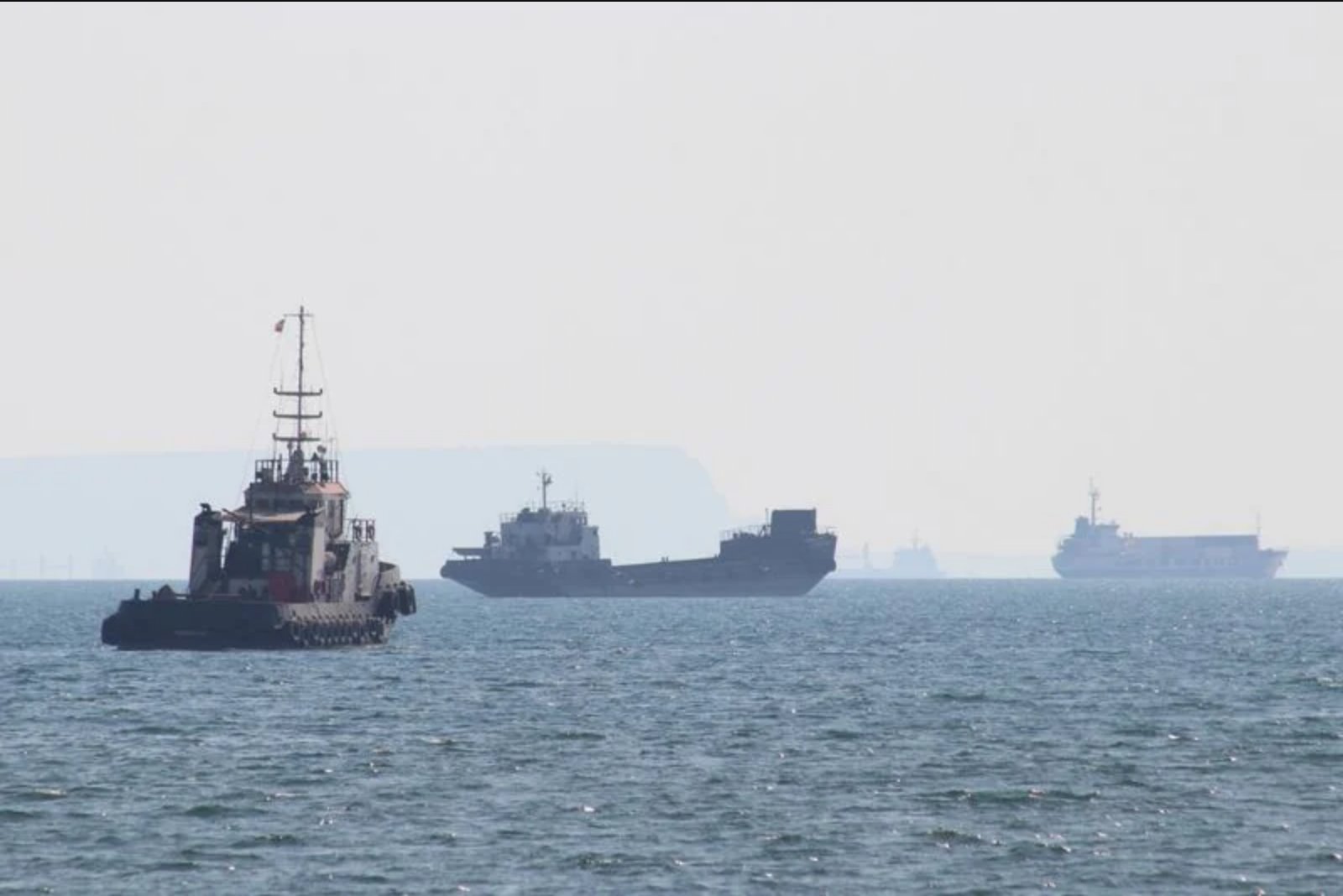
DUBAI, Nov 17 - Omani and Iranian officials held talks on Tuesday that centered on protecting maritime corridors and ensuring the uninterrupted movement of global shipping and trade, the Omani foreign ministry said in a statement.
The discussions took place during a visit to Oman by Iran's Foreign Minister Abbas Araqchi. Oman, which controls the southern coastline of the Strait of Hormuz, has also served as a mediator in the crisis that the ministry said began on February 28 following strikes on the Islamic Republic involving the United States and Israel.
According to the ministry's statement, participants emphasised efforts to revitalise channels for dialogue and negotiation with the explicit aim of preventing further escalations. The meeting focused on practical steps to safeguard maritime passages that are critical to international trade flows.
The visit unfolded against a background of higher incidents of attacks on tankers transiting the Strait of Hormuz. The ministry's account noted that these attacks come as Tehran continues to disrupt shipping in the strategic waterway, while Washington maintains a naval blockade on Iran in response. These developments have kept the strait at the center of diplomatic and security concerns.
The Strait of Hormuz is a narrow chokepoint that, before the conflict, carried one-fifth of global energy supplies. That status has made the waterway a focal point in negotiations aimed at ending what the ministry described as a nine-month-old war. Those negotiations have so far not produced a breakthrough, the statement said.
Oman's role in hosting the talks reflects its geographic position along the southern flank of the strait and its recent involvement as an intermediary in the dispute. The foreign ministry framed the visit as a step toward maintaining maritime security and sustaining the flow of commerce that relies on this key route.
While the statement highlighted a diplomatic intent to re-establish dialogue and reduce tensions, it also underscored ongoing security pressures in the area that continue to affect shipping, trade and energy transportation through the Strait of Hormuz.
Context and implications
The talks between Oman and Iran, as described by the Omani foreign ministry, were narrowly focused on maritime security and the preservation of shipping lanes. They took place amid a pattern of attacks on tankers and a U.S. naval blockade, factors the ministry cited as shaping the current operational environment in the strait.
According to the statement, reviving diplomatic channels and negotiations was a priority to help prevent further escalation. The ministry linked the current crisis back to incidents on February 28 and characterised the broader conflict as lasting nine months without a decisive diplomatic resolution to date.
Note on reporting: The article reflects the information presented in the Omani foreign ministry's statement and does not add additional facts beyond that account.