
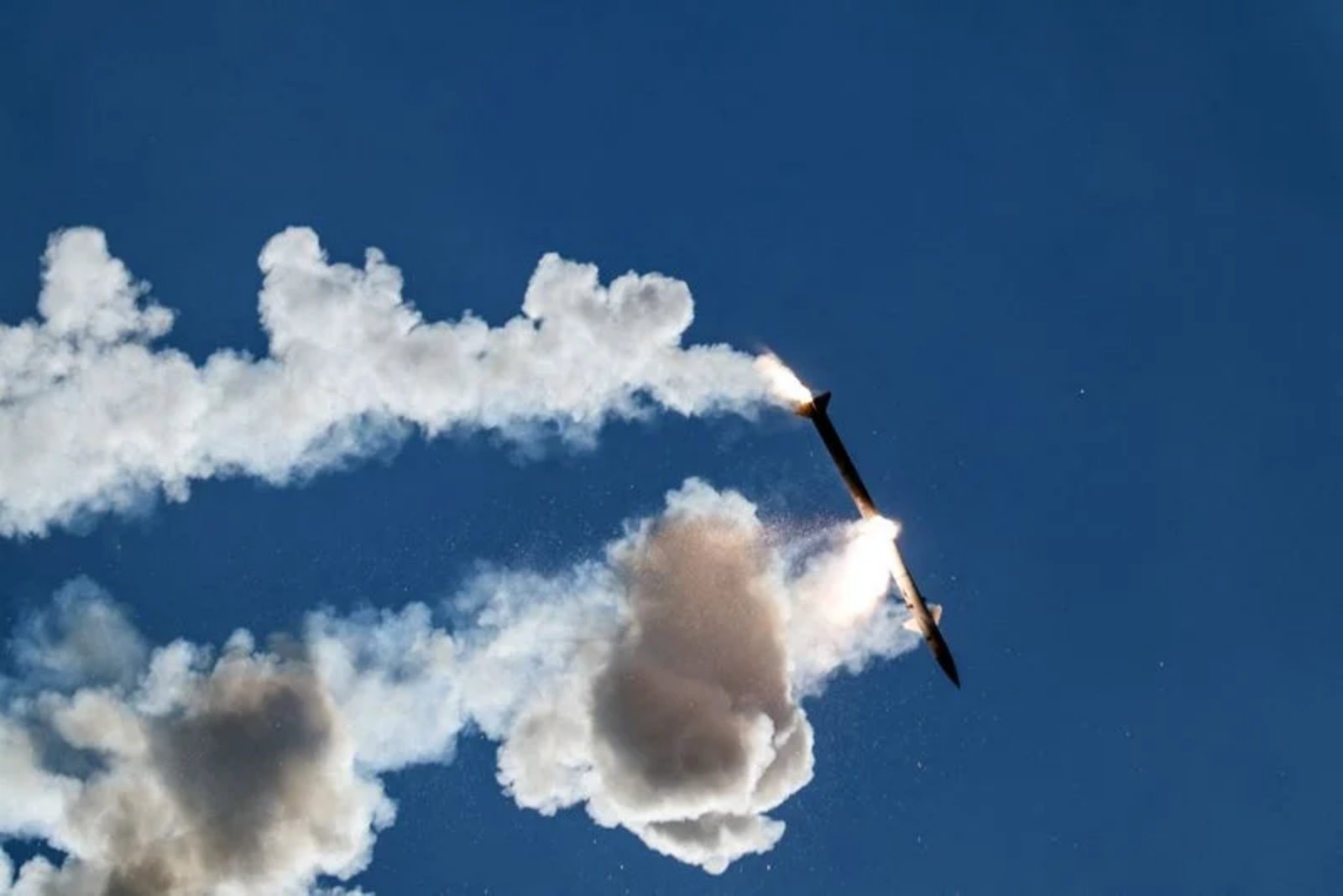
Israel carried out strikes across southern Lebanon on Tuesday, pressing a campaign against Hezbollah despite a high-level intervention aimed at preventing a wider assault on Beirut’s southern suburbs. The developments came a day after U.S. President Donald Trump told Israeli Prime Minister Benjamin Netanyahu not to carry out an attack on Beirut, an intervention that temporarily averted a threatened raid on the Lebanese capital.
Following Mr. Trump’s involvement, Lebanon’s government announced that Israel would refrain from striking the Hezbollah-controlled southern suburbs of Beirut and that Hezbollah, in turn, would suspend attacks on Israel. Yet the government announcement did little to calm many residents or halt the broader offensive in southern Lebanon, which Israeli leaders say will continue.
Residents of Beirut remained on edge as the buzz of an Israeli drone passed over the city on Tuesday. In the south, Israeli air strikes and artillery barrages struck a sequence of towns, and the Israeli military ordered civilians in the city of Nabatiyeh to evacuate ahead of planned operations. Hezbollah did not declare new operations on Tuesday, but Israel’s military reported overnight that it had intercepted two projectiles crossing from Lebanon into Israeli territory.
Israel’s defence minister, Israel Katz, issued a warning that framed a conditional escalation: if northern Israeli communities are attacked, the military would evacuate those communities and strike Beirut’s southern suburbs. "The test of this policy for protecting our communities will be simple and will become clear in the coming days: either the attacks on Israeli communities stop, or if attacks continue and we strike Dahiyah in Beirut, this equation will be realized," he said.
Iran raises the stakes
The prospect of an expanded confrontation has prompted additional regional signalling. After Israeli warnings, Faten Al Chehime said she fled her home in Beirut’s southern suburbs on Monday, two weeks after having returned. Speaking at a displacement camp in central Beirut, she said: "Every time we return to our homes, there is a warning for us to be displaced again." Lebanese officials say more than 1.2 million people in the country have been uprooted by the conflict, which began after Hezbollah fired on Israel in support of Tehran on March 2.
Israel struck Beirut’s southern suburbs, known as Dahiyeh, early in the campaign. Since an April ceasefire declaration by U.S. President Trump, Israel has carried out only two strikes in that area, officials say. Tensions surged on Monday after Netanyahu ordered strikes on Beirut’s southern suburbs and Iranian state media reported that Tehran had suspended indirect talks with Washington in response to Israeli action in Lebanon. Iran’s military also reportedly warned residents of northern Israel to leave to avoid harm if Israel attacked Beirut.
Iran’s top negotiator, Parliament Speaker Mohammad Bagher Qalibaf, was quoted as saying he told Lebanese Parliament Speaker Nabih Berri: "If Israeli aggression on Lebanon continues, we won’t just stop the negotiation track, but we will be in a direct confrontation with the enemy," according to a post on X by Qalibaf.
Diplomatic steps and caution
A flurry of diplomatic communications appeared to ease immediate escalation. Mr. Trump said on Monday that he had asked Mr. Netanyahu not to execute a major raid on Beirut and that Hezbollah, via intermediaries, had pledged not to attack Israel. The record also noted that no U.S. president has ever spoken with Hezbollah, with or without intermediaries, and that the United States designates the group as a terrorist organization.
The Lebanese government said it would seek to broaden the ceasefire in discussions with Israeli officials in Washington the following day, marking another face-to-face negotiation despite objections from Hezbollah. Asked about the announcements on Monday evening, Youssef al-Zein, head of Hezbollah’s press office, said the group would not adopt a public position unless a formal declaration compelled Israel to implement a comprehensive cessation of hostilities across all Lebanese territory. He underscored past patterns of continued strikes, pointing to Israeli air operations after a 2024 truce and after the April 16 truce declared by Mr. Trump.
"Hezbollah will monitor developments both on the battlefield and in diplomatic channels in the coming days," Zein said.
Human cost and military toll
Lebanese authorities report that more than 3,400 people have been killed in Lebanon by Israeli strikes since March 2. Israel reports that 26 of its soldiers and four civilians have been killed in Hezbollah attacks since March. The conflict has displaced large numbers of people within Lebanon and kept border communities on both sides under threat.
The situation in southern Lebanon and around Beirut remains fluid. While diplomatic exchanges temporarily forestalled a raid on Dahiyeh, ongoing strikes, orders to evacuate cities such as Nabatiyeh, and the interception of cross-border projectiles underscore the persistent risk of further escalation.