
May 29 - Iran said on Friday it was looking for actions rather than verbal assurances from the United States, after U.S. sources reported President Donald Trump was considering an initial agreement with Iran that would extend a ceasefire and reopen the Strait of Hormuz to energy shipments.
The comments from Iran’s chief negotiator, Mohammad Baqer Qalibaf, echoed earlier defiant statements from Tehran and underscored lingering doubts about how any arrangement would be implemented. Four sources familiar with the matter told reporters that the outline under discussion would prolong the truce that has been in effect since early April for 60 days and would permit oil and gas to pass through the strategic waterway while negotiators addressed complex issues, including Iran’s nuclear program.
Those sources added that President Trump had not yet approved the proposed deal. Iran’s Tasnim news agency similarly said the draft text had not been finalised and reported that it had seen alterations in recent days.
"We do not trust guarantees and words, only actions are the criterion. No action will be taken before the other side acts," Qalibaf wrote on social media. He added: "The winner of any agreement is the one who is better prepared for war the day after."
Market reaction was swift: oil futures fell about 2% on Friday and were headed for what would be their steepest weekly drop since early April on the reports that a potential deal might be close. If endorsed by President Trump and Iran’s leaders, the pact would represent the largest step toward ending the conflict so far.
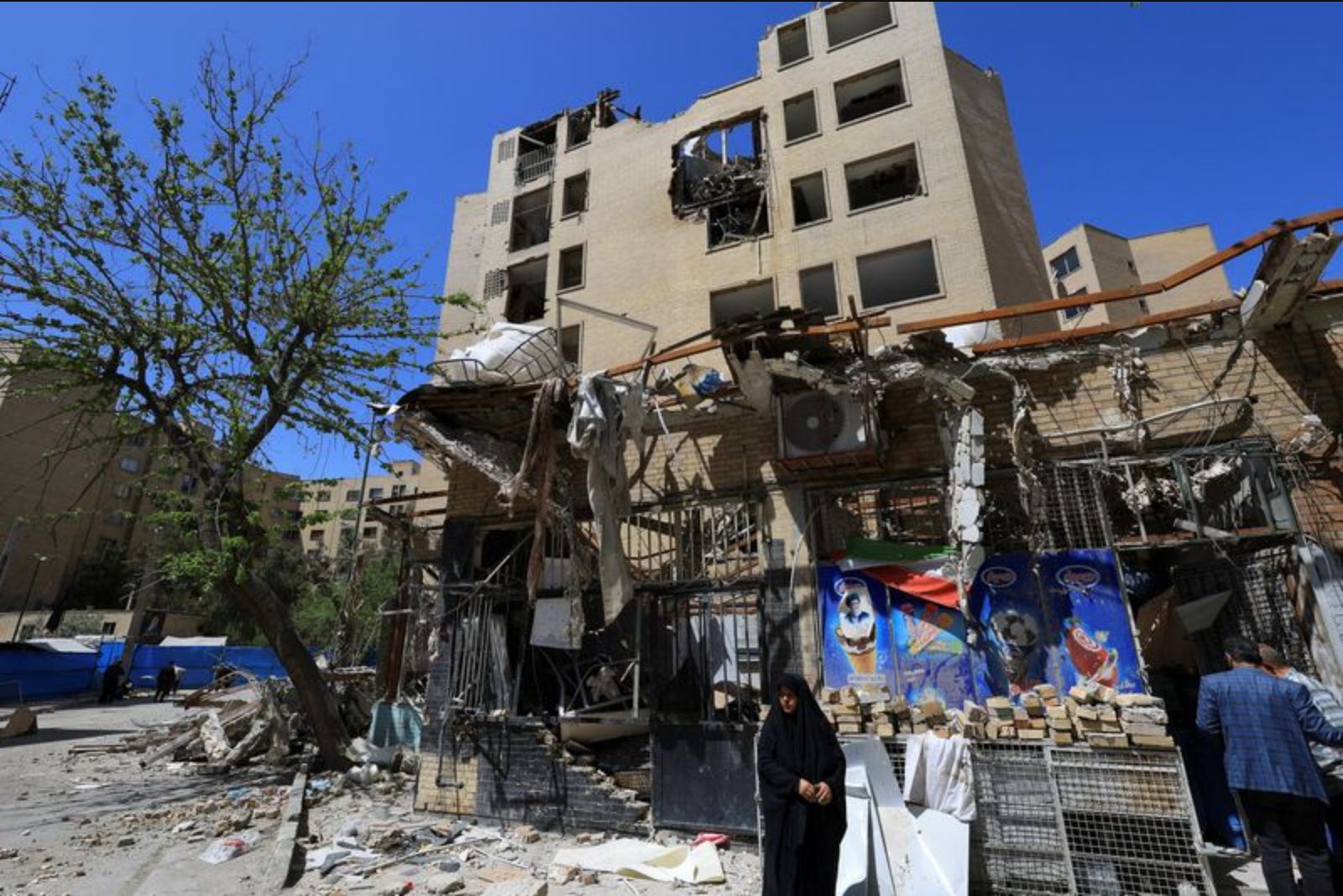
The fighting, which the U.S. and Israel launched against Iran on February 28, has resulted in thousands of fatalities, mainly in Iran and Lebanon, and has disrupted global economic activity by driving up energy prices after Iran effectively closed the Strait of Hormuz to energy shipments, according to reporting.
Diplomatic activity continued. Pakistan’s foreign minister, Ishaq Dar, arrived in Washington on Friday for discussions with U.S. Secretary of State Marco Rubio. Those talks were expected to address developments in the ongoing negotiations.
Sources familiar with the proposed agreement said it would guarantee unrestricted passage through the strait and require the United States to lift its blockade of Iranian ports. The U.S. would also remove certain sanctions on Iranian oil exports as part of the arrangement laid out by the sources.
At the same time, Washington took further measures on Thursday, imposing sanctions on additional vessels tied to Iran’s oil trade and announcing steps to prevent Iranian airlines from refuelling in certain locations.
Public positions from both sides remained at odds. President Trump has repeatedly suggested since mid-March that an end to the war is near, but official statements from Washington and Tehran have shown only limited public movement toward agreement. Iran continues to demand that sanctions be lifted, that foreign assets be unfrozen, and that U.S. forces withdraw from the region. U.S. officials insist Iran must dismantle aspects of its nuclear program, which Tehran maintains are for peaceful purposes.
Tehran has also said any peace settlement must end attacks by U.S. ally Israel in Lebanon. That front of the conflict shows no sign of abating, with Israel’s operations pushing deep into Lebanon in pursuit of Iran’s principal ally, Hezbollah, and displacing hundreds of thousands of people.
Reopening the Strait of Hormuz is the most urgent practical issue. Before the conflict, the waterway carried roughly one-fifth of global oil and liquefied natural gas shipments. MarineTraffic data, which captures vessels actively broadcasting their positions, showed that no oil tankers transited the strait in the 24 hours prior to 1200 GMT on Friday, though a Chinese-flagged vehicle carrier did cross during that period. Several supertankers and LNG carriers had departed earlier in the week.
Iranian state television reported that 24 vessels had passed through the strait in the preceding 24 hours, repeating that no ships would be permitted to transit without authorisation from Iran’s Revolutionary Guards.
Many details remain unsettled: the outline described by sources has not been authorised by President Trump, and Iran’s official media indicate the draft terms are still being revised. Tehran’s insistence on observable actions before any reciprocal steps, combined with continuing combat in Lebanon and differing demands over sanctions and nuclear dismantlement, leaves the timing and scope of any agreement uncertain.
For now, both the diplomatic manoeuvring and market sensitivities continue, with the flow of energy shipments through the Strait of Hormuz and the status of sanctions among the immediate issues shaping negotiations and economic effects.