
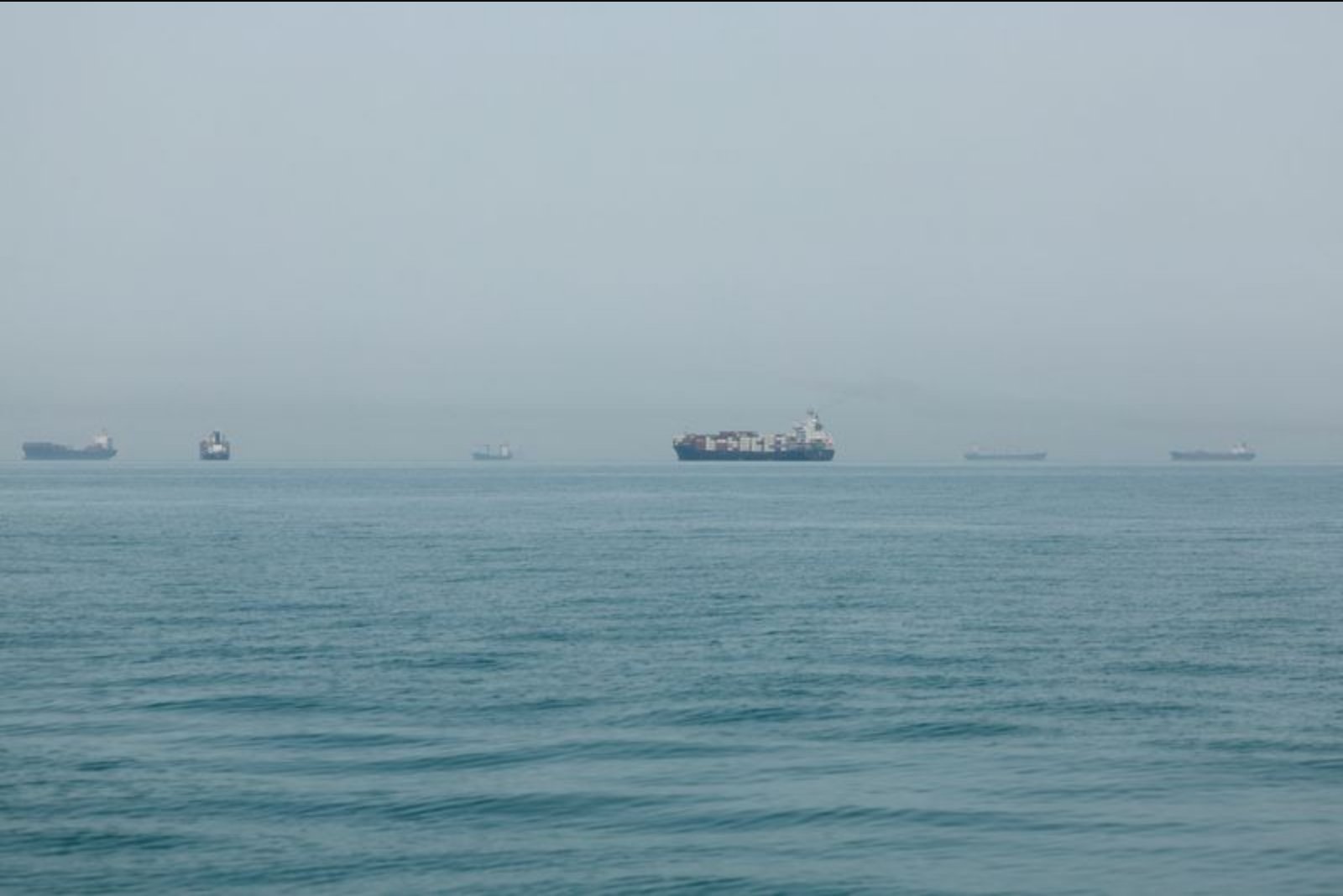
France has drawn up a draft resolution at the U.N. Security Council intended to underpin an international mission to restore navigation through the Strait of Hormuz, the French foreign ministry said. Paris indicated it could submit that draft for council consideration if the diplomatic circumstances are appropriate.
The announcement comes as Washington struggles to secure a council vote on a U.S.-Bahraini resolution that Russia and China have signalled they could block, arguing the text is biased against Tehran. Control over the narrow waterway - a critical artery for global energy shipments - has emerged as a central impediment in diplomatic efforts to end the three-month-old U.S.-Iran war, with the de facto curtailment of traffic contributing to sharply higher oil prices.
A combined U.S.-Bahraini resolution aimed at the strait has been under negotiation for more than two weeks. The vote on that draft has been postponed repeatedly as Beijing and Moscow warned they might use their veto powers. The U.S.-Bahraini text demands that Iran cease attacks and the laying of mines in the strait.
China and Russia previously vetoed a similar U.S.-backed resolution in April, saying that measure was slanted against Iran. In the current round, Washington has obtained nearly 140 co-sponsors for its draft in an effort to reduce the risk of a veto, according to two European diplomats.
France, which also holds permanent membership and veto authority on the council, has so far declined to endorse the U.S. text. Pascal Confavreux, a spokesman for France's foreign ministry, said the U.S.-Bahraini draft forms the foundation for ongoing negotiations and that no vote date has been set.
"There is a draft resolution between the U.S. and Bahrain currently under discussion. This forms the basis of the current discussions. The date for the vote has not yet been announced," Confavreux said.
President Emmanuel Macron has said Paris plans to advance an initiative at the U.N. to consolidate Franco-British efforts to assemble an international mission tasked with restoring freedom of navigation in the strait when conditions permit and following consultations with both Washington and Tehran.
"We are working on an international mission to restore freedom of navigation. We have also prepared, as a permanent member, a draft resolution that could be discussed if the conditions are right," Confavreux added.
French officials describe this as a calibrated, multilateral approach to re-establishing transit through the strait, but they emphasise that any council action would be contingent on the right security and diplomatic conditions. Paris intends to consult with the relevant capitals before moving forward.
The U.S. diplomatic effort at the United Nations marks a contrast with recent American actions in the region. In recent months, Washington has largely operated outside the U.N. framework, carrying out military strikes against Iran without seeking council authorisation and urging partners to join ad hoc naval patrols to defend freedom of navigation.
With the council divided and veto threats in play, France's draft offers an alternative route for a collective U.N.-backed response, though Paris has made clear it will only press the resolution forward when it judges the situation and consultations permit.