
Overview
France is coordinating with a group of countries to escalate pressure on Israel through aligned national sanctions aimed at people connected to violence in the West Bank, three European diplomats said. The proposed measures - reportedly to include asset freezes and travel bans - have not been finalized and could vary across participating nations, the diplomats added.
Diplomatic rationale and limits
The diplomatic push comes amid rising incidents of violence by Israeli settlers in the occupied West Bank and growing frustration in a number of Western capitals with Prime Minister Benjamin Netanyahu's government, which has increased settlement activity. Diplomats quoted by sources in Paris say that the settlement expansion is perceived as an effort to undercut the possibility of a future Palestinian state.
Attempts to secure stronger collective measures at the European Union level have stalled due to a lack of unanimity among member states. "There is no unanimity at the EU level, so we have moved to discussions at the national level," one diplomat said, describing the decision to shift from bloc-wide to coordinated national steps.
Timing, participants and sensitivities
Two of the diplomats indicated an announcement could come in the coming days. One diplomat named Britain and Norway among countries with which France is coordinating, while remaining reticent about which additional states might join the effort. Diplomats also noted that some countries are reluctant to discuss national listings publicly out of concern that prospective targets could move assets in advance.
Israeli Foreign Minister Gideon Saar responded to recent European measures by criticizing the bloc. After the introduction of some new EU sanctions on May 11, he said the EU had "chosen, in an arbitrary and political manner, to impose sanctions on Israeli citizens and entities because of their political views and without any basis."
International criticisms and focal points
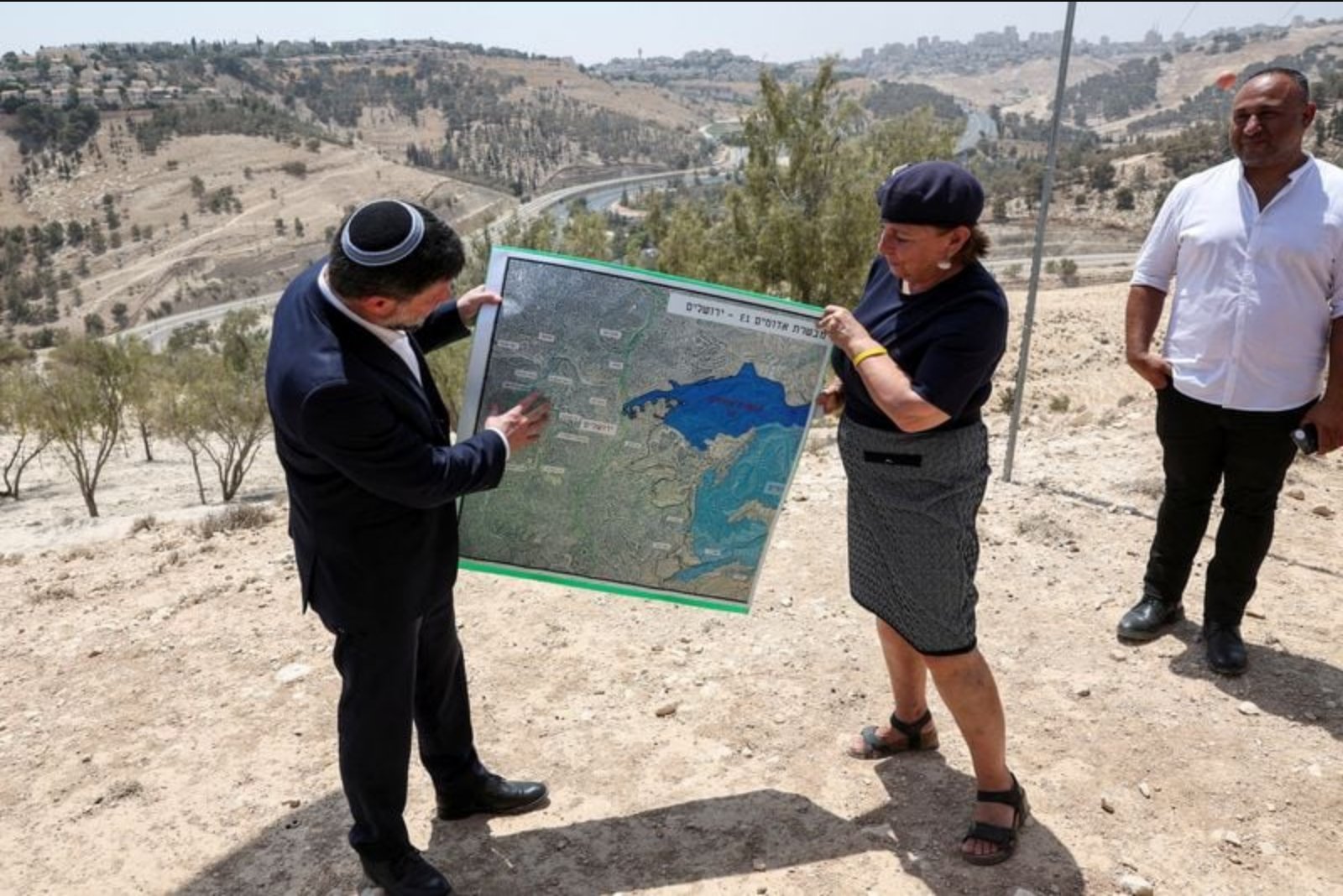
On May 22, seven Western nations - including France, Britain, Australia and Canada - formally accused the Israeli government of actions that have exacerbated tensions in the West Bank. A central concern highlighted by diplomats and officials is Israel's planned E1 settlement east of Jerusalem, a project that critics say would bisect the West Bank and isolate it from East Jerusalem, further fragmenting the territory Palestinians seek for an independent state.
A French diplomatic source, speaking on the record, said: "In the face of settlement expansion and violence in the West Bank, we have already taken measures. More could follow." The source declined to provide further details.
Responses from governments
Requests for comment produced limited official reactions. Britain's Foreign Office declined to comment, and the Norwegian foreign ministry did not immediately respond to a request for comment.
Context and upcoming summit
The national-level sanction discussions are unfolding days before France hosts a June 12 meeting in Paris that will bring together Israeli and Palestinian civil society organizations alongside roughly a dozen foreign ministers. The meeting coincides with the one-year mark since the adoption of the New York Declaration, a non-binding United Nations General Assembly text that outlined a roadmap toward a Palestinian state and preceded a wave of recognition by about a dozen countries - including France - in September.
French officials have said they intend to keep the Israeli-Palestinian issue on the international agenda, noting that concurrent conflicts in Iran and Lebanon have the potential to divert attention. They also cited the stalled nature of negotiations over Gaza's future, despite the presence of a fragile ceasefire, as a reason to sustain diplomatic focus.
What remains uncertain
Key unknowns include the final composition of national sanctions lists, which countries beyond Britain and Norway will take part, and the precise timing and scope of any announcements. Diplomats emphasized that measures remain subject to national decision-making and could differ from one state to another.
This report is based on diplomatic sources and official statements provided to journalists and does not introduce additional facts beyond those supplied by those sources.