
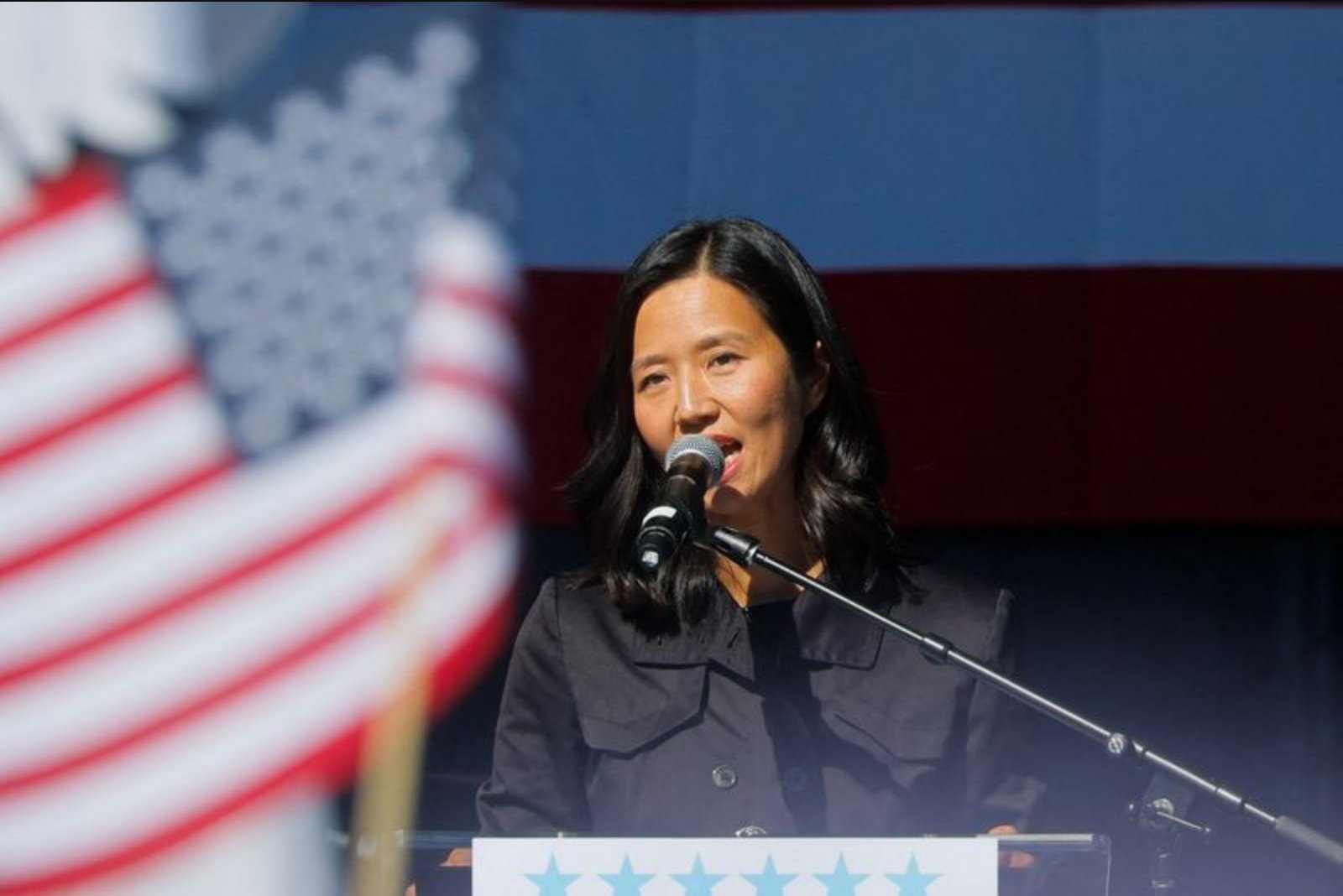
A federal judge has thrown out a Justice Department lawsuit contesting Boston’s ordinance that restricts local police cooperation with federal immigration enforcement. The suit, which targeted the Boston Trust Act and was brought against the city and Mayor Michelle Wu, was found by the court to be improperly before it because the government failed to establish legal standing to bring the challenge.
The challenge was originally filed in September and forms part of a broader set of litigation from the federal government aimed at laws adopted by so-called "sanctuary jurisdictions". The Justice Department has brought roughly a dozen suits of this nature, arguing that local restrictions hinder federal immigration enforcement efforts.
The Boston Trust Act, first adopted in 2014 and reaffirmed by the city council in December 2024 as the Trump administration prepared to take office, prohibits the Boston Police Department and other city officials from assisting federal authorities - including U.S. Immigration and Customs Enforcement - in civil immigration enforcement. Specific prohibitions cited in the suit include keeping migrants for potential deportation and sharing individuals' personal information with federal immigration authorities.
The Justice Department's position in the litigation was that those provisions interfered with federal immigration enforcement, violated the U.S. Constitution, and were preempted by federal immigration law. The department sought judicial relief to prevent the city from enforcing the local statute in ways that it said impeded federal functions.
But U.S. District Judge Leo Sorokin, who was appointed by President Barack Obama, concluded the government did not meet the threshold requirements for the lawsuit to proceed. Sorokin found the government had not shown it possessed the legal standing necessary to bring the challenge and that it had not demonstrated a favorable ruling would redress the harms it claimed to be suffering.
The judge further noted a 2017 decision by Massachusetts' highest court - issued during the previous Trump administration - that forbids state and local law enforcement from detaining non-citizens solely on the basis of a federal civil immigration detainer. That state-court ruling, Sorokin wrote, means that even if a federal court were to enjoin the city’s ordinance, Boston police would still be unable to provide the type of assistance the Justice Department sought.
"In Massachusetts, there is simply no source of authority empowering Boston police officers to do what the United States would like them to do," Sorokin wrote.
According to Sorokin's ruling, the Justice Department has so far not prevailed in similar challenges to other cities and states with sanctuary-style policies; judges have dismissed four other lawsuits in Colorado, Illinois and New York. The Justice Department did not respond to a request for comment about the ruling.
Advocates who helped defend the city hailed the decision. Jill Habig, of the Public Rights Project, which assisted Boston in its defense, said the ruling represented a win for both local governments and the rule of law.
Because the court rested its decision on the government’s lack of standing and the limits imposed by Massachusetts law, the ruling leaves unresolved broader constitutional and preemption questions the Justice Department raised, at least insofar as those issues relate to enforcement remedies in this jurisdiction.
Note: This article reports the court's findings and the positions of the parties as reflected in the written ruling and statements provided to the court. The Justice Department did not offer a response to a request for comment.