
World May 20, 2026 02:54 PM

Erdogan Tells Trump Ceasefire Extension Between U.S. and Iran Is Welcome, Ankara Says

Turkey views extended ceasefire as constructive and urges measures to stabilize Syria and prevent spillover into Lebanon

By Ajmal Hussain

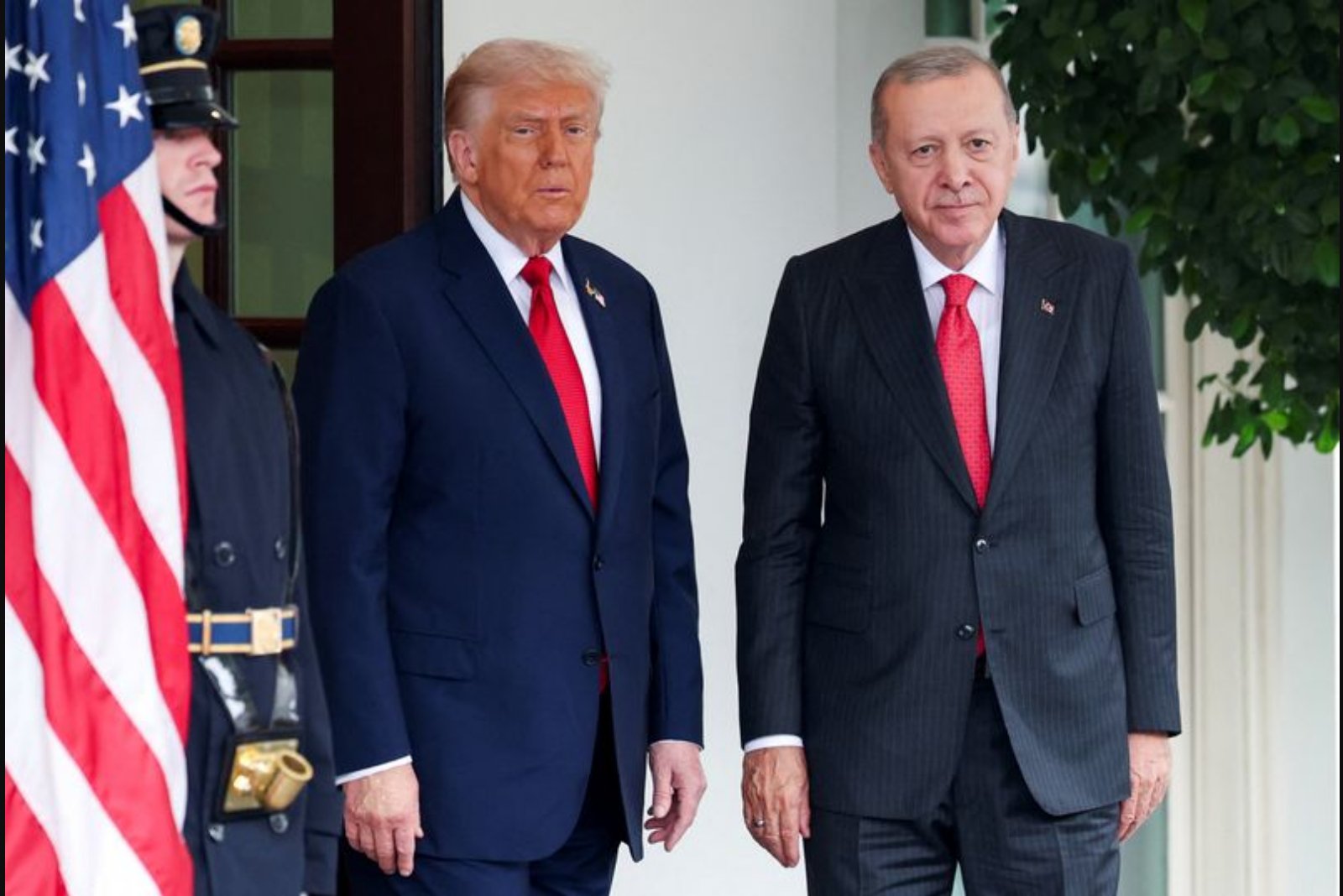
Turkish presidential officials said President Recep Tayyip Erdogan told U.S. President Donald Trump that Ankara welcomed an extension of the ceasefire between the United States and Iran and believed remaining disputes could be resolved. Turkey, which borders Iran, has been engaged with Washington, Tehran and mediators including Pakistan to push for an end to the hostilities. The leaders also discussed regional stability, developments in Syria and Lebanon, NATO summit preparations, and bilateral ties.

Erdogan Tells Trump Ceasefire Extension Between U.S. and Iran Is Welcome, Ankara Says

Key Points

  • President Erdogan welcomed the extension of the ceasefire between the U.S. and Iran and said he believed the disputed issues could be resolved - impacts geopolitical stability and defense sector sentiment.
  • Turkey has been in close contact with Washington, Tehran, and mediators including Pakistan, and has relayed messages between the parties while calling for an end to the conflict - relevant to diplomatic and security dynamics.
  • Erdogan highlighted renewed stability in Syria as an important regional gain and urged steps to prevent deterioration in Lebanon amid fighting between Israel and Hezbollah; he also said preparations for the July NATO summit in Ankara are ongoing - affects regional security planning and international diplomatic engagement.

ANKARA, May 20 - Turkish officials reported that President Recep Tayyip Erdogan told U.S. President Donald Trump in a telephone call on Wednesday that he regarded the extension of a ceasefire between the United States and Iran as a positive development and expressed confidence that the contested issues between the parties could be settled.

According to a statement from the Turkish presidency, Erdogan framed the ceasefire extension as constructive for the wider region and said he believed a reasonable solution to outstanding disputes was possible. The statement highlighted Turkey's continued diplomatic engagement: Ankara has maintained close contact with Washington and Tehran and has liaised with mediators, including Pakistan, as part of efforts to bring the conflict to an end.

The presidency said Turkey had repeatedly called for an end to the fighting and had acted as an intermediary by passing messages between the sides. The statement also referenced comments by President Trump, who had said earlier that negotiations with Iran were "in the final stages" while warning that further attacks could follow unless Tehran agreed to a peace deal.

Erdogan also drew attention to Syria, describing renewed stability there as "an important gain" for the region. He urged measures to prevent the situation in Lebanon from deteriorating amid ongoing clashes between Israel and Hezbollah, the presidency added.

On the NATO front, Erdogan informed Trump that preparations for the alliance summit scheduled to take place in Ankara in July were ongoing. The Turkish presidency said Turkey was working to ensure the meeting would be "a success in every aspect." The two leaders also discussed bilateral relations, the statement said.


Context and implications

The presidency's account emphasizes Turkey's active diplomatic posture in the conflict and its role in maintaining communication channels among the involved parties. Ankara's emphasis on a ceasefire extension and on preventing further regional spillover underscores its interest in stabilizing neighboring countries while hosting a major NATO meeting later this year.

Risks

  • The possibility of further attacks if Tehran does not agree to a peace deal, as warned by President Trump, introduces continued military and geopolitical risk - relevant to defense and energy markets.
  • Ongoing fighting between Israel and Hezbollah raises the risk of Lebanon's situation worsening and potential regional spillover, which could affect humanitarian conditions and regional stability.
  • Uncertainty remains around reaching a comprehensive resolution to disputed issues despite the ceasefire extension, leaving prospects for long-term stability unclear.

More from World

Kennedy Center Directed to Revert Name After Federal Ruling Jun 4, 2026 Colorado Appeals Court Orders New Trial for Paramedics in Elijah McClain Death Jun 4, 2026 U.S. Treasury Adds Cuban President Miguel Diaz-Canel to Sanctions List Jun 4, 2026 Zelenskiy Invites Putin to Direct Talks in Open Letter, Proposes Ceasefire During Negotiations Jun 4, 2026 Zelenskyy Calls for Direct Talks With Putin, Offering Ceasefire During Negotiations Jun 4, 2026