
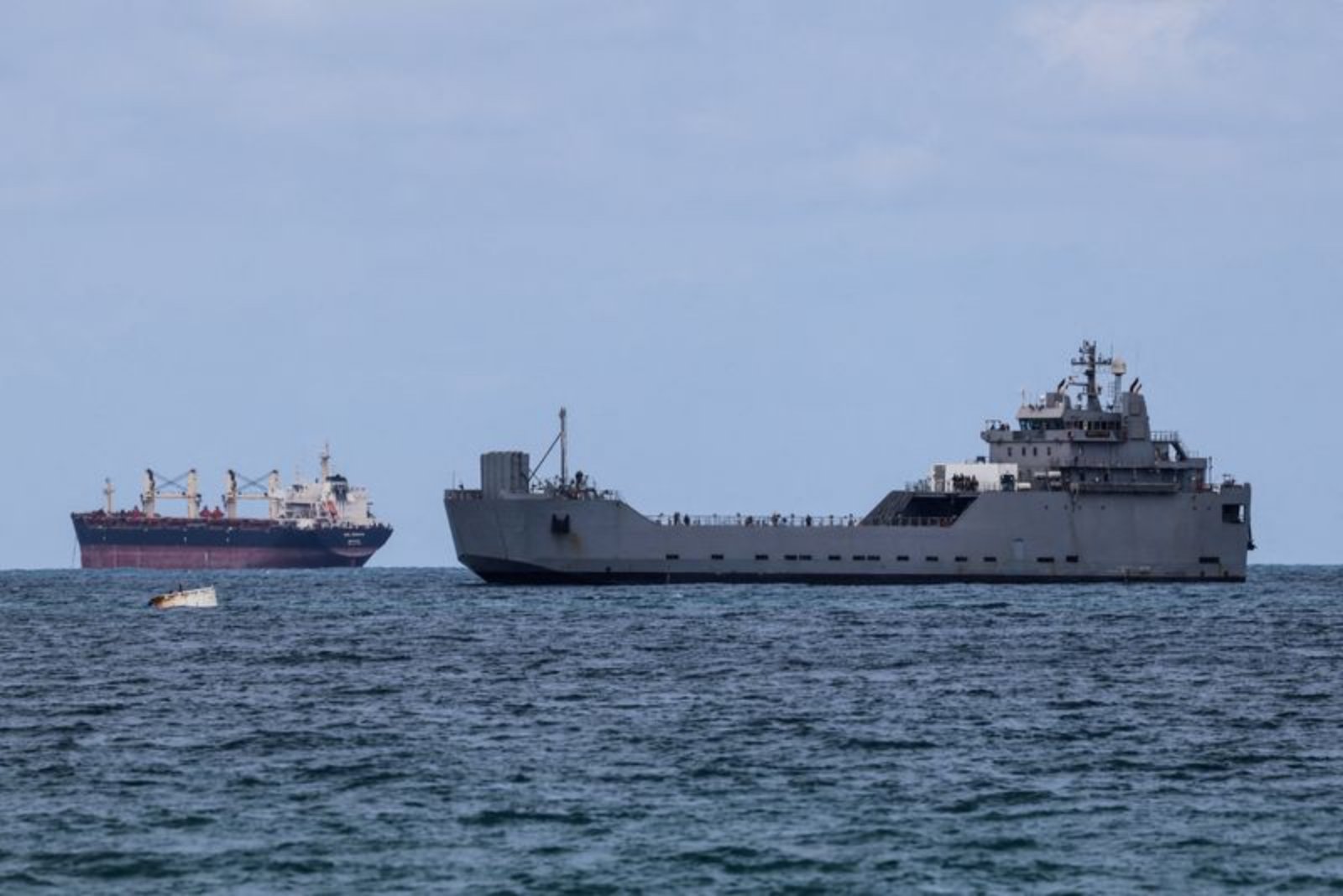
Israeli authorities have released roughly 430 activists who were detained after an Israeli navy interception of a protest flotilla in international waters. Officials said the released activists will be deported to Turkey on Thursday via Ramon airport, following widespread criticism over footage that showed detainees pinned to the ground amid taunts by a prominent far-right minister.
The activists were arrested at a port in southern Israel after the navy intercepted the flotilla, which organisers said had departed from southern Turkey earlier in the week with the stated aim of trying to breach Israel's blockade of Gaza and deliver humanitarian assistance. Aid organisations cited in reporting have said humanitarian supplies in Gaza remain insufficient despite a U.S.-brokered ceasefire between Israel and Hamas in place since October 2025, which included guarantees to increase aid access.
In video circulated from the port, officers are seen forcing a woman to the ground after she chanted "Free, free Palestine". The footage also shows dozens of detained activists kneeling in rows with their hands zip-tied behind their backs in what appears to be an outdoor port facility. Soldiers armed with long guns are visible patrolling from aboard a military vessel in the background.
Itamar Ben-Gvir, Israel's far-right police minister, is shown in video footage walking by the detained activists while carrying a large Israeli flag. In that video Ben-Gvir is heard saying: "Look at them now. See how they look now, not heroes and not anything." The images and the minister's words prompted international condemnation and led to a rebuke from Prime Minister Benjamin Netanyahu, who said the conduct was "not in line with Israel's values and norms."
Transport Minister Miri Regev, a member of the prime minister's party, also posted a video from the port, saying: "This is what should be done to supporters of terror who came to break the siege on Gaza." Both Ben-Gvir and Regev were filmed visiting the port and criticising the protesters in campaign-style videos that commentators noted came as Israel edges toward a possible early election.
Rights group Adalah released a statement estimating that about 430 activists had been freed from a prison in southern Israel and would be deported via Ramon airport near Eilat on the Red Sea. Turkey's Foreign Minister Hakan Fidan said his country was operating special flights to return Turkish citizens and third-country participants to Turkey. Officials noted that among those who had been on board the flotilla were citizens of Spain, South Korea and Ireland.
Spain's foreign minister said Spanish diplomats in Israel had been informed that some 44 Spanish flotilla members would depart Israel at 3 p.m. local time (1200 GMT). Hakan Fidan was quoted as saying: "We will continue to uphold the rights of our citizens and fulfil our humanitarian responsibility toward civilians in Gaza."
The detention and treatment of the activists led a number of European countries to take diplomatic steps. France, Canada, Spain, Portugal and the Netherlands summoned top Israeli diplomats in their capitals in response to the footage and reports. Canada and Spain have previously imposed sanctions on Ben-Gvir and far-right Finance Minister Bezalel Smotrich, citing allegations that they incited violence against Palestinians.
French Foreign Minister Jean-Noel Barrot commented on the situation, saying that regardless of views about the flotilla, "our compatriots who are participating in it must be treated with respect and released as quickly as possible." The U.S. Ambassador to Israel, Mike Huckabee, also criticised the conduct, saying he had "betrayed (the) dignity of his nation."
Analysts and observers have noted the political context in which the port visits and videos occurred. Ben-Gvir's political base includes some of Israel's most nationalist voters, a constituency Netanyahu's Likud has sought to court ahead of national elections set for no later than October 27. This week, lawmakers provided an initial nod to dissolve parliament, moving Israel closer to the possibility of a snap election. Opinion polls cited in reporting indicated Netanyahu could lose the first national vote to be held since the October 2023 Hamas attacks.
The flotilla intervention itself is not without precedent. Israeli authorities have intercepted past flotillas attempting to reach Gaza; participants in those operations, including one that carried Swedish activist Greta Thunberg, were subsequently deported.
Organisers of the latest protest contended they sought to deliver humanitarian aid to Gaza in breach of the blockade. Aid organisations and the terms of the ceasefire brokered in 2025 were referenced in reporting as indicating promises to increase aid, though these reports also stated shortages persist in Gaza.
For now, Israeli officials say the activists will be flown out of the country. Turkey has coordinated flights to return their nationals and other participants, and several European governments have prepared consular arrangements for citizens involved in the flotilla. The diplomatic and political fallout from the incident continues to unfold as governments in multiple countries register protests and summon envoys.
Summary
Approximately 430 activists intercepted by the Israeli navy after departing southern Turkey have been released from a southern Israeli prison and are to be deported to Turkey via Ramon airport. Video of the detainees being forced to the ground and taunted by far-right officials drew international condemnation and led to diplomatic summonses and rebukes from senior Israeli leaders.
Key points
- About 430 activists detained after the navy intercepted a flotilla will be deported to Turkey; countries involved are arranging flights and consular support - sectors affected include aviation and maritime operations supporting deportation logistics.
- Video showing detainees with hands zip-tied and a far-right police minister taunting them provoked international diplomatic responses and domestic criticism from the prime minister - impacting political and diplomatic relations.
- The flotilla aimed to breach Israel's Gaza blockade to deliver humanitarian assistance amid reports that aid remains insufficient despite a U.S.-brokered ceasefire in October 2025 - the humanitarian sector and aid supply chains are implicated.
Risks and uncertainties
- Diplomatic fallout: Several countries summoned Israeli envoys after the incident, indicating elevated bilateral tensions that could affect diplomatic and consular operations.
- Political uncertainty: The timing of the videos and port visits by senior ministers coincide with a period of potential early elections in Israel, creating electoral and political risks for incumbent parties.
- Humanitarian access uncertainty: Despite guarantees tied to a 2025 ceasefire to increase aid, reporting indicates Gaza continues to face shortages, leaving uncertainty about the effectiveness of aid delivery mechanisms.
Tags: Gaza, Israel, Turkey, Flotilla, Diplomacy