
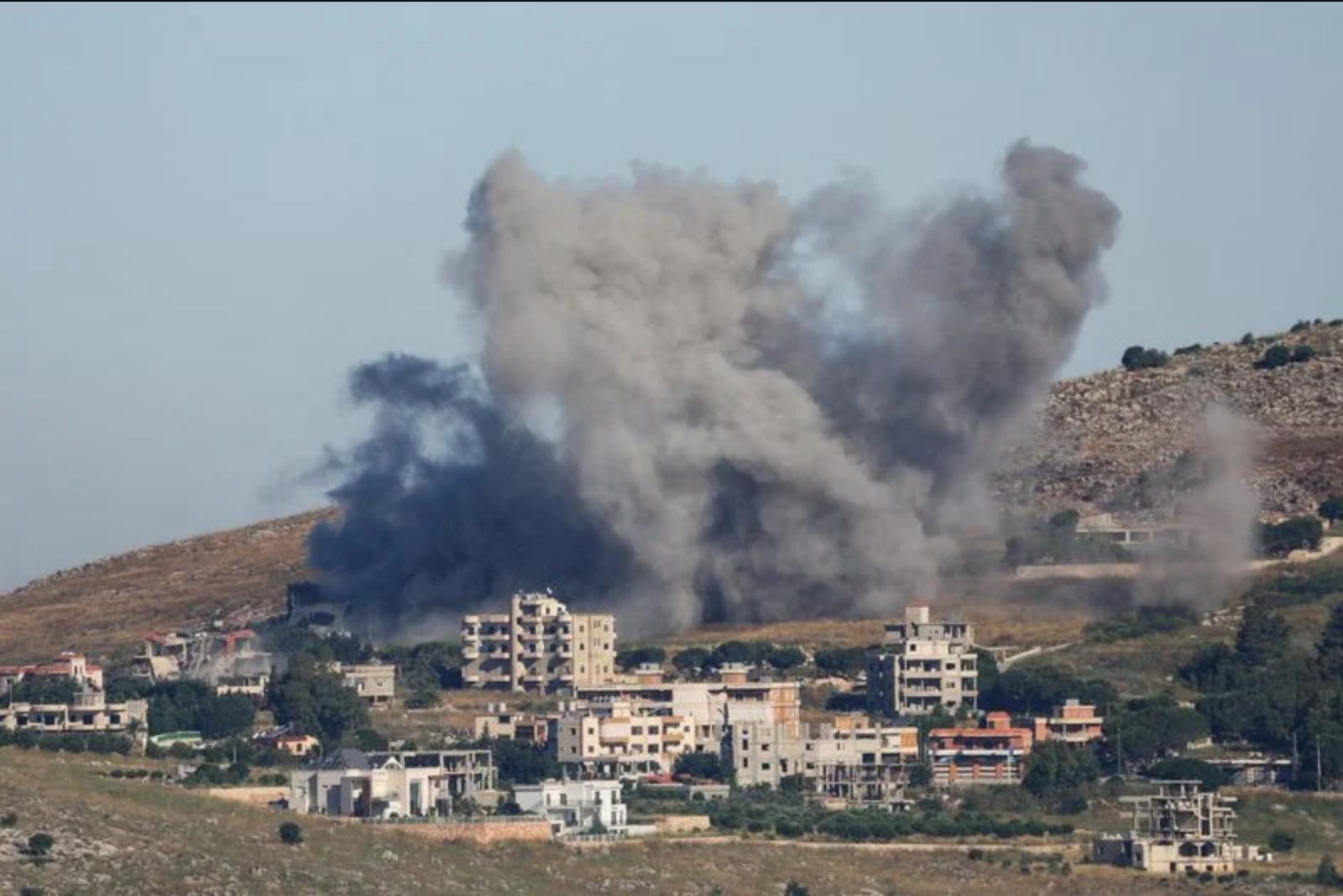
BEIRUT/JERUSALEM, June 3 - Israeli drone strikes in southern Lebanon killed at least six people on Wednesday and hit a car near the capital, Lebanese security sources and state authorities said, while Israel reported intercepting a hostile aircraft believed to have been launched from Lebanon.
Lebanese security officials said Israeli drones struck at least 10 vehicles across southern Lebanon during the day. One of those raids, on a road near the coastal city of Tyre, resulted in six fatalities, the Lebanese health ministry and state media reported. In a separate incident, a strike on the main coastal highway in the Khalde area, several kilometres south of Beirut, wounded two people after hitting a car.
The Israeli military said the intercepted hostile aircraft had crossed into northern Israel from Lebanon. An Israeli military spokesperson said the object was most likely a drone launched by Hezbollah, though the group did not issue any claim of responsibility for the incursion.
There was no immediate response from the Israeli military to questions about the reported drone strikes in southern Lebanon.
Context and diplomatic developments
These exchanges took place despite a U.S.-mediated agreement announced on Monday that had led Israel to refrain from attacking the Hezbollah-controlled southern suburbs of Beirut and had prompted Hezbollah to pause its cross-border strikes. Wednesday’s activity represented the closest attack to Beirut since U.S. President Donald Trump asked Israel not to strike the Lebanese capital as part of that accord, which was announced by him and the Lebanese embassy in Washington on Monday.
Diplomatic efforts have aimed to prevent a further escalation of the war that has been underway since March 2, when Hezbollah opened fire in solidarity with Iran, which the article describes as having been under U.S.-Israeli attack. The text notes Iran has demanded a ceasefire in Lebanon as part of any agreement with the U.S. to end the wider war, and that recent statements from Tehran have suggested it could intervene directly in support of Hezbollah if Israel continues or intensifies attacks in Lebanon.
Military posture and warnings
Earlier in the conflict Israel heavily bombed Beirut’s southern suburbs, known as Dahiyeh, though it carried out only two strikes in that area since a Lebanon ceasefire was declared by Trump in April, the report states. Iran’s military warned residents of northern Israel on Monday that they should flee if Israel attacked Beirut. Israel’s defence minister, Israel Katz, said on Tuesday that Israel would strike the southern suburbs if northern Israel were attacked.
Hezbollah reported conducting 13 operations against Israeli forces on Tuesday in southern Lebanon, where Israeli troops remain in what the organisation describes as a self-declared security zone. In response, the Israeli military issued warnings to residents of six villages and towns in southern Lebanon, telling them to leave their homes because it intended to act against Hezbollah.
Human toll and ongoing talks
The Lebanese health ministry’s tally says nearly 3,500 people have been killed in Lebanon by Israeli attacks since March 2, including a total of 705 women, children and medics. That toll does not specify how many of the dead were combatants. Israel says 26 of its soldiers and four civilians have been killed in Hezbollah attacks since March.
Lebanese and Israeli government representatives were scheduled to meet in Washington later on Wednesday for a second consecutive day of talks, the fourth face-to-face encounter facilitated by the United States since the war began. The Lebanese government is participating in the talks despite objections from Hezbollah.
Summary
Israeli drone strikes in southern Lebanon killed at least six people and struck a vehicle near Beirut on Wednesday. Israel said it intercepted a hostile aircraft that crossed into northern Israel and was likely a Hezbollah-launched drone. The incidents occurred even after a U.S.-mediated agreement announced on Monday that had reduced strikes on Beirut’s southern suburbs and paused cross-border exchanges.