
World May 23, 2026 11:42 AM

CDC expands Ebola entry screening to Atlanta’s Hartsfield-Jackson airport

Hartsfield-Jackson added as second U.S. entry point for travelers from Congo, Uganda and South Sudan amid Bundibugyo strain outbreak

By Ajmal Hussain

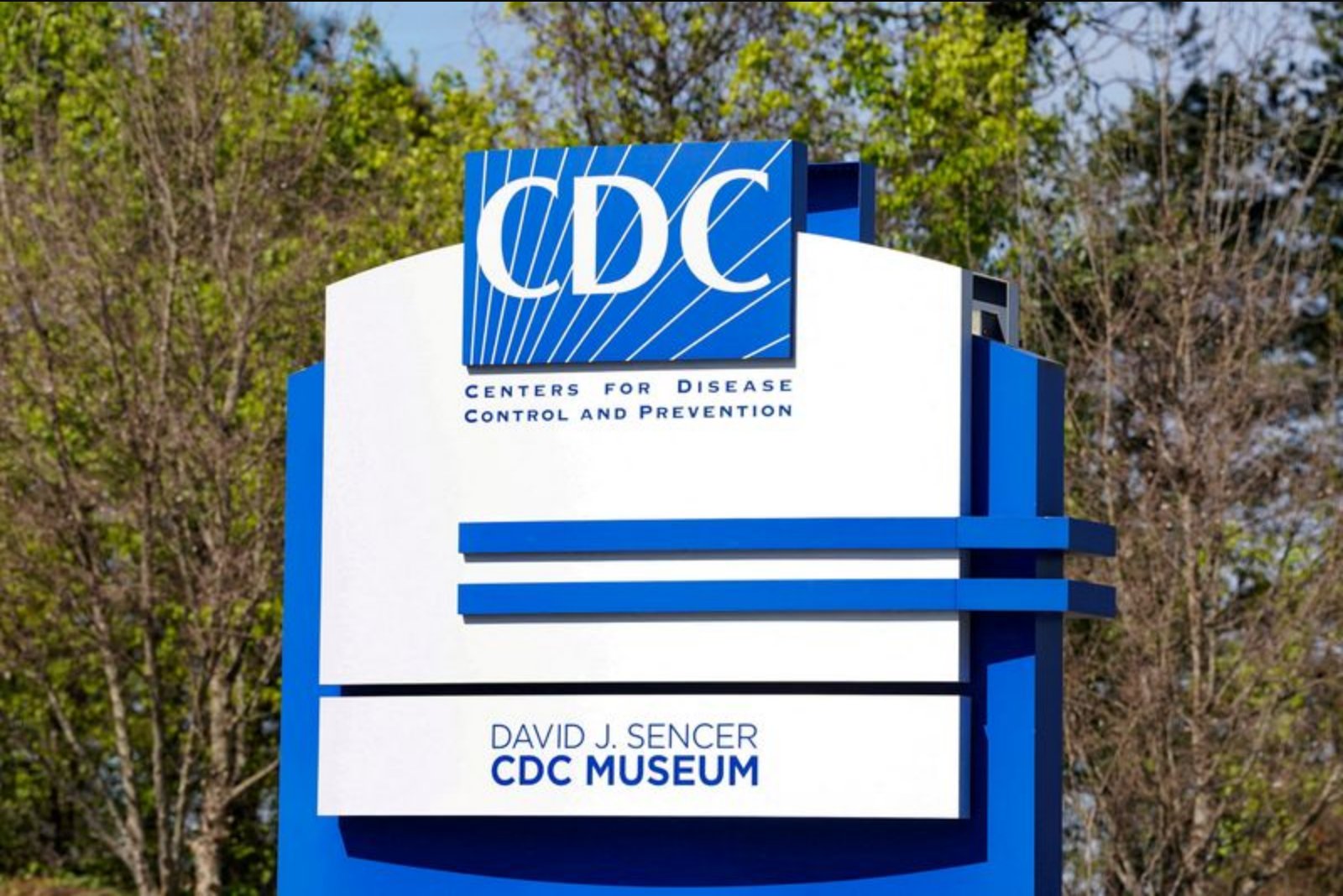
The U.S. Centers for Disease Control and Prevention has added Hartsfield-Jackson Atlanta International Airport to its enhanced Ebola public health entry screening network for Americans returning from the Democratic Republic of the Congo, Uganda or South Sudan. The move follows the designation of Washington’s Dulles International Airport earlier in the week and complements other measures including overseas exit screening, airline illness reporting and post-arrival monitoring. The World Health Organization reports confirmed and suspected cases linked to the Bundibugyo strain in the region, and the U.S. has imposed travel restrictions on certain non-citizens who recently visited those countries.

CDC expands Ebola entry screening to Atlanta’s Hartsfield-Jackson airport

Key Points

  • Hartsfield-Jackson Atlanta International Airport has been added as a U.S. entry point for enhanced Ebola screening for travelers from the Democratic Republic of the Congo, Uganda and South Sudan - sectors impacted include aviation and travel.
  • Dulles International Airport was designated earlier in the same week to perform similar screening duties, expanding U.S. entry screening capacity - impacts the airport operations and passenger processing workflows.
  • CDC’s approach combines multiple measures - overseas exit screening, airline illness reporting, post-arrival monitoring and U.S. entry screening - relevant to public health preparedness and transport security sectors.

WASHINGTON, May 23 - The U.S. Centers for Disease Control and Prevention (CDC) has announced that Hartsfield-Jackson Atlanta International Airport will join the federal enhanced entry screening program for Americans returning from the Democratic Republic of the Congo, Uganda or South Sudan. The airport becomes a second designated U.S. entry point for such travelers.

According to the CDC, Hartsfield-Jackson has previously participated in passenger screening operations and has established the necessary operational procedures to support the enhanced Ebola checks. The agency said the Atlanta hub will now perform the heightened public health screening that the CDC is applying to travelers arriving from the three countries.

Earlier in the week, Washington’s Dulles International Airport was named as a screening site for returning U.S. citizens. The CDC described enhanced public health entry screening as one element of a broader Ebola response strategy that includes several components: screening prior to departure overseas, reporting by airlines of ill passengers and public health monitoring after arrival.

The World Health Organization has reported the following counts tied to the outbreak of the Bundibugyo strain: 82 confirmed cases so far, seven confirmed deaths, 177 suspected deaths and nearly 750 suspected cases. Those figures relate to cases linked to the Bundibugyo strain in the affected region, the CDC noted.

In related travel policy, the administration has enacted a ban this week preventing non-citizens who have recently traveled to the Democratic Republic of the Congo, Uganda or South Sudan from entering the United States. The CDC and federal agencies are using the screening expansion and the other public health measures to help manage the risk associated with travelers from the affected countries.

The addition of Hartsfield-Jackson, an airport that already has prior experience with passenger screening protocols, is intended to increase the capacity of U.S. public health authorities to identify and monitor arrivals from areas affected by the Bundibugyo Ebola strain. The CDC emphasized that entry screening is only one component of the layered public health approach now in use.

Risks

  • Confirmed and suspected case counts linked to the Bundibugyo strain (82 confirmed cases, seven confirmed deaths, 177 suspected deaths and nearly 750 suspected cases) indicate ongoing outbreak risk that could affect public health systems and travel demand.
  • A recent travel ban on non-citizens who visited the DRC, Uganda or South Sudan may disrupt international travel flows and has implications for airlines and airport operations.
  • Enhanced entry screening is described as only one component of the CDC response, implying uncertainty over whether screening alone is sufficient to prevent importation without complementary measures such as exit screening and post-arrival monitoring.

More from World

Peru Runoff Poised on a Knife-Edge as Sanchez Narrows Gap With Fujimori, Ipsos Poll Finds Jun 4, 2026 Kennedy Center Directed to Revert Name After Federal Ruling Jun 4, 2026 Colorado Appeals Court Orders New Trial for Paramedics in Elijah McClain Death Jun 4, 2026 U.S. Treasury Adds Cuban President Miguel Diaz-Canel to Sanctions List Jun 4, 2026 Zelenskiy Invites Putin to Direct Talks in Open Letter, Proposes Ceasefire During Negotiations Jun 4, 2026