
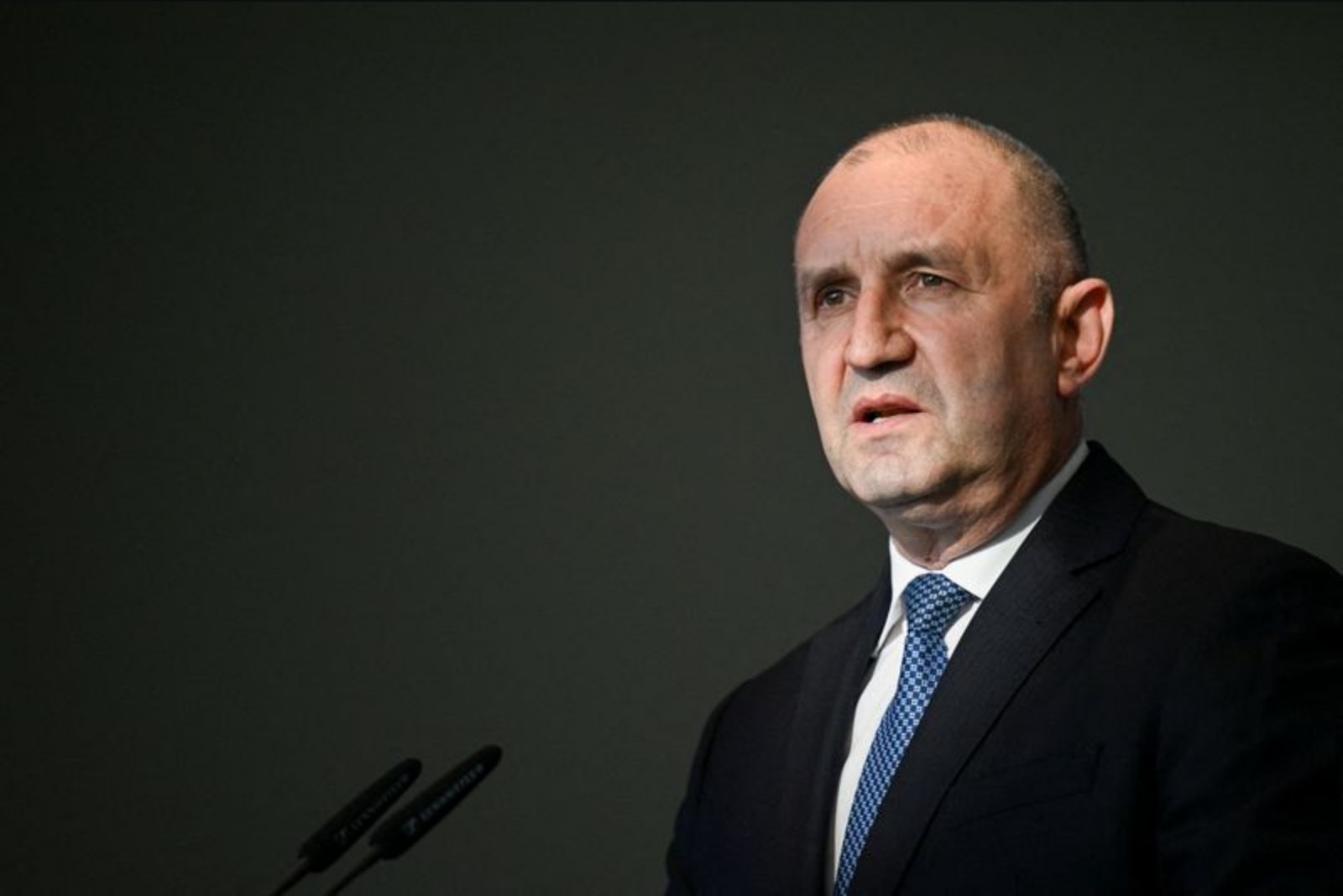
SARAJEVO, May 29 - Bulgaria will allow U.S. military aircraft to remain in the NATO member state only until the end of June, Prime Minister Rumen Radev said on Friday, citing a failure by the United States to approve a visa-free regime for Bulgarian nationals.
BTA news agency quoted Radev as saying he recognized the complexity of regulatory procedures and the need for time, but that Bulgaria has its own priorities and procedures. "We cannot respond positively to the request for long stays of aircraft and tanks at the Sofia airport," he said, according to the report.
Under current arrangements, Bulgaria hosts U.S. military aircraft in the capital, Sofia, under an agreement that is valid through the end of May. Radev said his government will adopt a decision on Friday to extend that arrangement until the end of June, a one-month extension intended to give the United States time to reconsider its stance on the visa matter.
Earlier this month, Radev spoke with U.S. President Donald Trump and pressed for a suspension of the visa requirement for Bulgarian nationals travelling to the United States. He said he had urged that the matter be taken up urgently but had not received a positive answer from U.S. authorities.
Radev also referenced his recent political standing, noting that he won a landslide victory in a parliamentary election held on April 19.
Details at a glance
- Bulgaria will allow U.S. military aircraft to stay only until the end of June, following U.S. refusal to approve a visa-free system for Bulgarian visitors.
- Radev told BTA he understands regulatory complexity but asserted Sofia cannot accede to prolonged foreign military stays at Sofia airport.
- An existing hosting agreement for U.S. aircraft in Sofia runs until the end of May; the government plans a formal extension to the end of June.
- Radev spoke with U.S. President Donald Trump earlier in the month, calling for suspension of the U.S. visa requirement for Bulgarian nationals, and said he pressed for urgent consideration without receiving a positive response.
- Radev recently won a decisive parliamentary election on April 19, which he referenced in comments about his domestic mandate.
The government action to limit the duration of U.S. aircraft and related military assets on Bulgarian soil was presented by Radev as tied directly to progress, or the lack of it, on visa negotiations with the United States. The one-month extension to the existing arrangement is framed as a temporary measure while discussions continue.
Reporting note: Comments and quotations in this article are drawn from statements attributed to Prime Minister Rumen Radev via BTA news agency.