
World May 22, 2026 02:40 PM

Appeals Court Refuses Rehearing in Mahmoud Khalil Case, Clearing Way for Possible Rearrest

3rd U.S. Circuit Court of Appeals declines to revisit January panel ruling that limited lower court jurisdiction over immigration detention release

By Nina Shah

On May 22, a divided 3rd U.S. Circuit Court of Appeals declined by a 6-5 vote to rehear the case of Columbia University graduate Mahmoud Khalil, a pro-Palestinian activist. The decision preserves a January 2-1 panel finding that a lower-court judge lacked jurisdiction to order his release from immigration detention, leaving open the possibility of re-arrest and deportation under the Trump administration's enforcement actions against foreign students involved in campus protests.

Appeals Court Refuses Rehearing in Mahmoud Khalil Case, Clearing Way for Possible Rearrest

Key Points

  • A 3rd U.S. Circuit Court of Appeals panel refused to rehear Mahmoud Khalil's case by a 6-5 vote, leaving a January 2-1 panel ruling intact that a lower-court judge lacked jurisdiction to order Khalil's release from immigration detention.
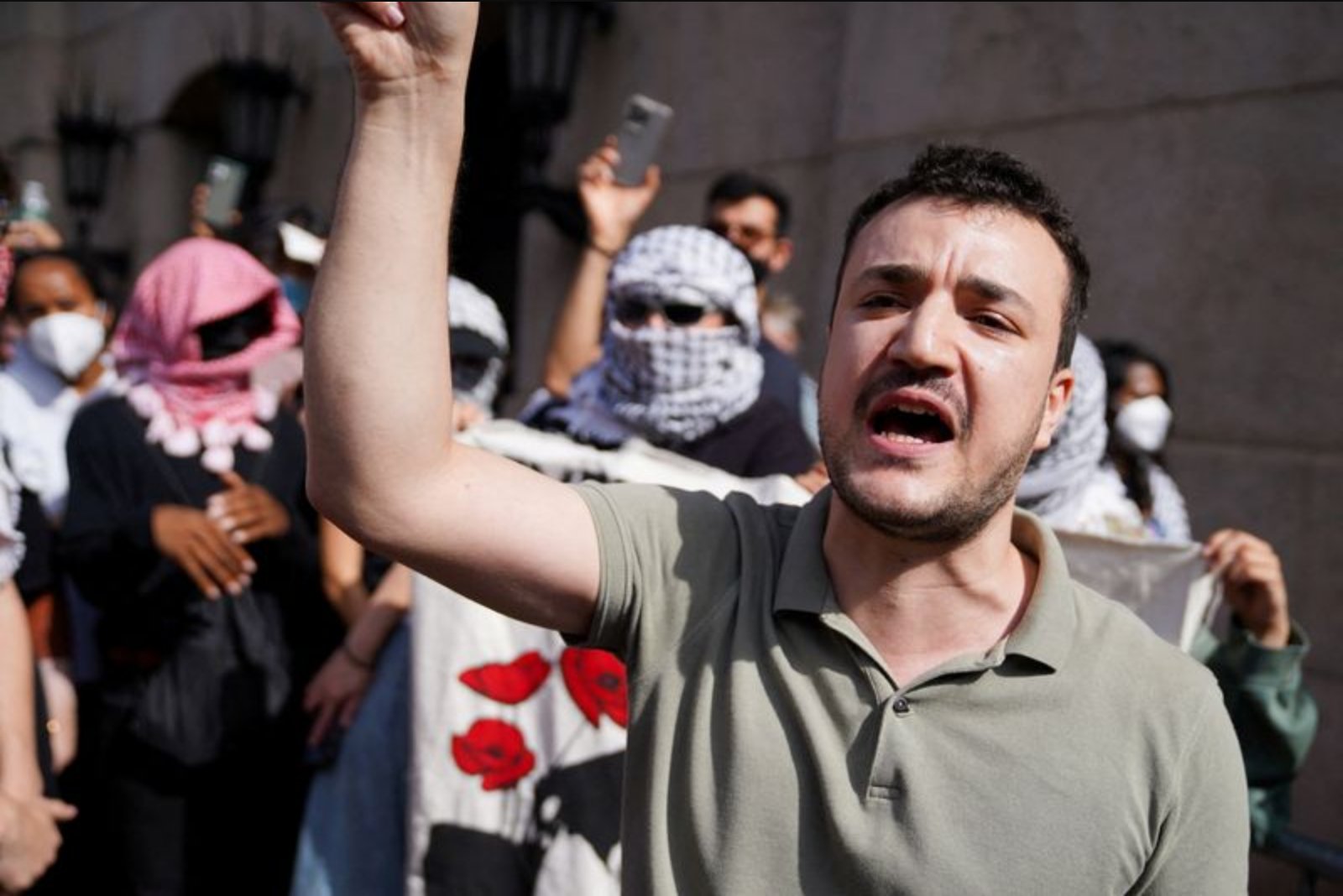
  • Khalil, a Columbia University graduate, was among several foreign students detained last year after engaging in pro-Palestinian activism on campuses during a broader enforcement effort by the Trump administration.
  • The decision split along appointing presidents: six Republican-appointed judges formed the majority against rehearing, while five Democratic appointees supported rehearing, including Judge Cheryl Ann Krause who warned the ruling weakens judicial oversight of executive action.

May 22 - A sharply divided 3rd U.S. Circuit Court of Appeals on Friday refused to rehear the case of Columbia University graduate Mahmoud Khalil, who has been at the center of litigation over his immigration detention. By a 6-5 vote, the court denied Khalil's request to revisit a January decision from a 2-1 panel that found a district court judge lacked jurisdiction to direct his release from immigration custody last year.

The appeals court's action preserves the panel ruling and, in doing so, leaves the door open to the Trump administration re-arresting and seeking the deportation of Khalil. He was identified as one of the most prominent among several foreign students detained following their participation in pro-Palestinian activism on college campuses last year, actions that occurred amid a wider enforcement effort by the administration.

The court's internal division tracked appointing presidents. Six judges who were appointed by Republican presidents formed the majority that opposed rehearing the case. Five judges appointed by Democratic presidents voted to grant a rehearing. Among those in the minority was U.S. Circuit Judge Cheryl Ann Krause, an appointee of President Barack Obama, who warned that the majority's decision constrained the judiciary's capacity to protect non-citizens' civil liberties.

"We cannot fulfill that role if we write ourselves out of relevance and leave the Executive Branch to check itself," Krause wrote, urging reconsideration that she said was necessary to preserve judicial oversight.

Baher Azmy, an attorney representing Khalil at the Center for Constitutional Rights, said his client would seek review by the U.S. Supreme Court. In a statement, Azmy characterized the appeals court decision as "dangerous" and said he would ask the high court to overturn it.

"That ruling greenlights holding someone in prolonged, brutal detention conditions without access to meaningful judicial review in order to punish them and deter others from dissenting from U.S. foreign policy," Azmy said.

The court's refusal to rehear the case leaves unresolved the immediate prospects for Khalil's custody status and any potential re-arrest or deportation proceedings. Azmy's announced intention to petition the U.S. Supreme Court signals the next likely procedural step, though the outcome of any such petition is not addressed by the appeals court's action.


Contextual note: The litigation centers on whether federal district courts have the authority to order the release of non-citizens detained by immigration authorities under the circumstances presented in Khalil's case. The January panel decision concluded that a lower-court judge lacked that jurisdiction, a conclusion now left intact by the full appeals court's denial of rehearing.

Risks

  • Potential for Khalil to be re-arrested or deported now that the appeals court has left the panel ruling intact, creating uncertainty for the individual and similar detained students - impacting immigration enforcement and higher education communities.
  • Reduced avenues for judicial review for non-citizens detained by immigration authorities if lower courts are found to lack jurisdiction to order release, raising concerns about prolonged detention conditions - relevant to legal services and civil liberties advocacy groups.
  • Uncertainty over whether the U.S. Supreme Court will accept a petition to review the case, leaving the timing and resolution of legal protections for detained activists unclear - affecting litigators, advocacy organizations, and institutions involved in campus protests.

More from World

Kennedy Center Directed to Revert Name After Federal Ruling Jun 4, 2026 Colorado Appeals Court Orders New Trial for Paramedics in Elijah McClain Death Jun 4, 2026 U.S. Treasury Adds Cuban President Miguel Diaz-Canel to Sanctions List Jun 4, 2026 Zelenskiy Invites Putin to Direct Talks in Open Letter, Proposes Ceasefire During Negotiations Jun 4, 2026 Zelenskyy Calls for Direct Talks With Putin, Offering Ceasefire During Negotiations Jun 4, 2026