
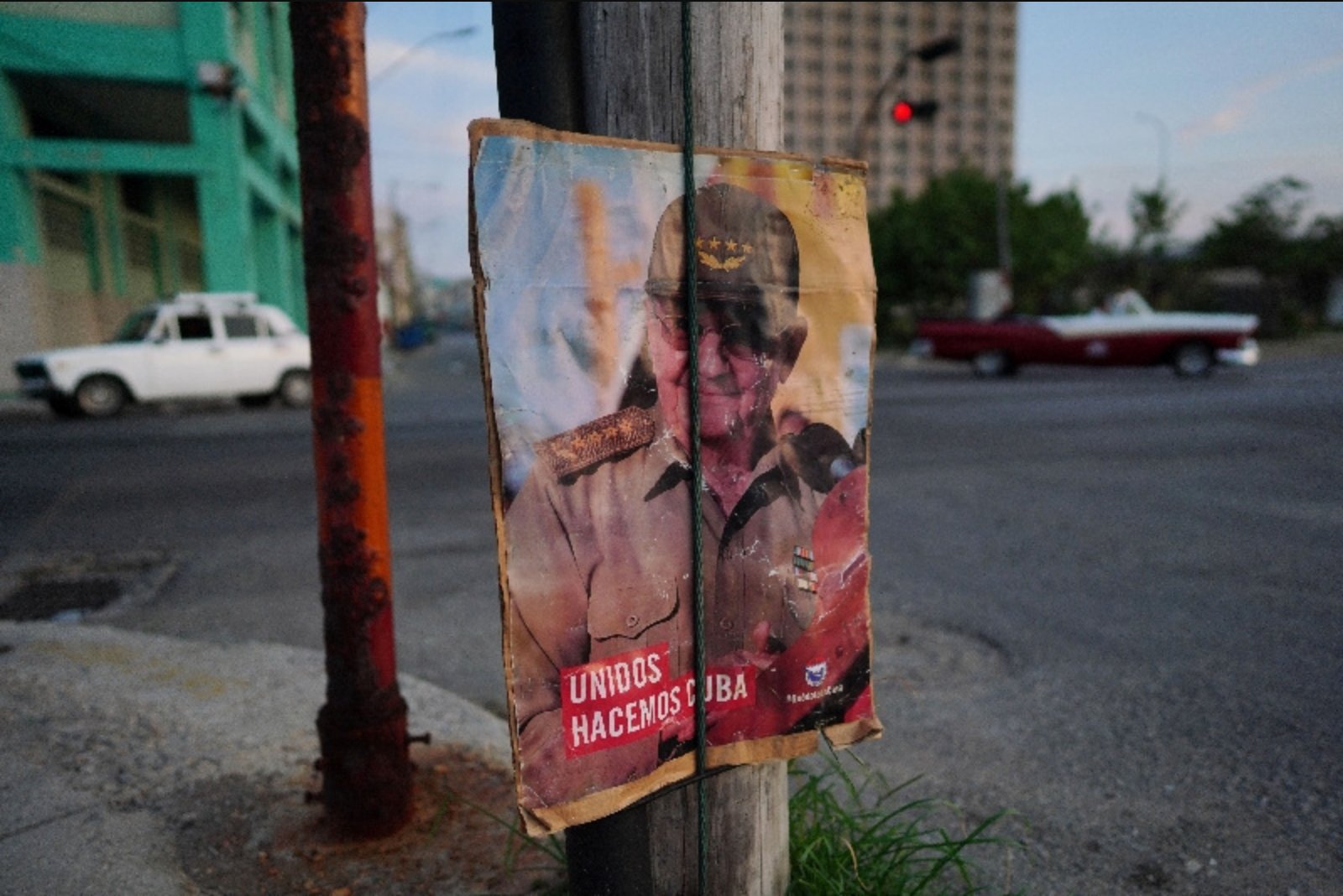
May 20 - U.S. officials said they had brought murder charges against Cuba's former president, Raul Castro, in connection with a 1996 episode when Cuban military fighters shot down two small aircraft, killing four people aboard. The indictment was tied to actions that occurred on February 24, 1996, when the aircraft operated by the group Brothers to the Rescue were downed.
What occurred
On February 24, 1996, two small planes belonging to the organization Brothers to the Rescue were intercepted and shot down by Cuban military jets. All four men who were on board the two aircraft died in the incident. Cuba maintained that the aircraft had entered Cuban airspace and defended the use of force as a legitimate defense of its territorial skies. U.S. officials, by contrast, said the strike happened over international waters. The International Civil Aviation Organization later issued a finding that supported the U.S. position, concluding the attack took place over international waters.
About Brothers to the Rescue
The group, based in Miami and founded by Cuban Americans, said its purpose was to search the Florida Straits for Cubans attempting to reach the United States on rafts. Members of the group frequently flew missions near the Cuban coastline. In the months before the shootdown, Cuban authorities accused Brothers to the Rescue of dropping tens of thousands of leaflets over Havana. The group's leader, Jose Basulto, countered that the leaflets were released in international airspace and subsequently carried by winds toward Cuba.
Cuban government statements and allegations
Following the incident, Fidel Castro, who was then Cuba's president, said he had issued a general order to halt the flights but did not specifically direct that the aircraft be shot down. He characterized the military response as following "standing orders." Fidel Castro also said that Raul Castro, then defense minister responsible for national security, had not given a specific order to fire on the planes.
A former member of Brothers to the Rescue, Juan Pablo Roque, appeared on Cuban television and alleged the pilots had entered Cuban airspace to collect intelligence ahead of a possible attack and intended to smuggle arms into Cuba. U.S. officials dismissed Roque's claims as propaganda and stated that he was likely acting as a Cuban agent.
U.S. government reaction at the time
Then-President Bill Clinton ordered sanctions in response to the shootdown. Measures included the suspension of charter flights to Cuba, restrictions on the movements of Cuban diplomats, and efforts to work with Congress on hardening the U.S. trade embargo. The Clinton administration did not bring criminal charges against Fidel or Raul Castro. In 2003, the U.S. Justice Department filed charges against three Cuban military officers in connection with the incident, but those officers were not extradited to face trial.
The facts about the location of the shootdown, the precise chain of command for the use of lethal force, and the legal accountability of Cuban officers have been contested since 1996. The recent indictment connects those long-standing disputes to new legal action against a former head of state.