
Summary: Sleep Number Corporation said it initiated a voluntary Chapter 11 sale process in U.S. Bankruptcy Court for the District of New York and agreed to be sold to Sleep Country Canada, prompting a 33.6% drop in premarket trading on Friday. The court-supervised sale will proceed with Sleep Country Canada as the stalking-horse bidder but remains open to higher offers, court approval and other closing conditions. The company also outlined plans for debtor-in-possession financing to sustain operations during the process.
Shares of Sleep Number Corporation (NASDAQ:SNBR) plunged 33.6% in premarket trading Friday after the company formally filed for Chapter 11 bankruptcy and announced a proposed sale to Sleep Country Canada. The Minneapolis-based mattress retailer started a voluntary Chapter 11 sale process in the U.S. Bankruptcy Court for the District of New York to enable the transaction.
Under the court-supervised procedure, Sleep Country Canada will act as the stalking-horse bidder. The company made clear that this arrangement does not preclude competing bids; the sale remains subject to the submission of higher offers, approval by the bankruptcy court and fulfillment of other closing conditions stated in the filing.
Sleep Number’s chief executive, Linda Findley, acknowledged the company’s fiscal difficulties while pointing to ongoing turnaround efforts. Findley said that, despite movement on operational initiatives, "our capital structure remains unsustainable." The company said it had performed a comprehensive review of strategic options before entering into the agreement with Sleep Country Canada.
To preserve day-to-day operations during the Chapter 11 process, Sleep Number expects to secure up to $260 million in debtor-in-possession (DIP) financing, which would include up to $65 million in new financing. Management indicated this financing package is intended to support ongoing business functions while the sale proceeds through the court.
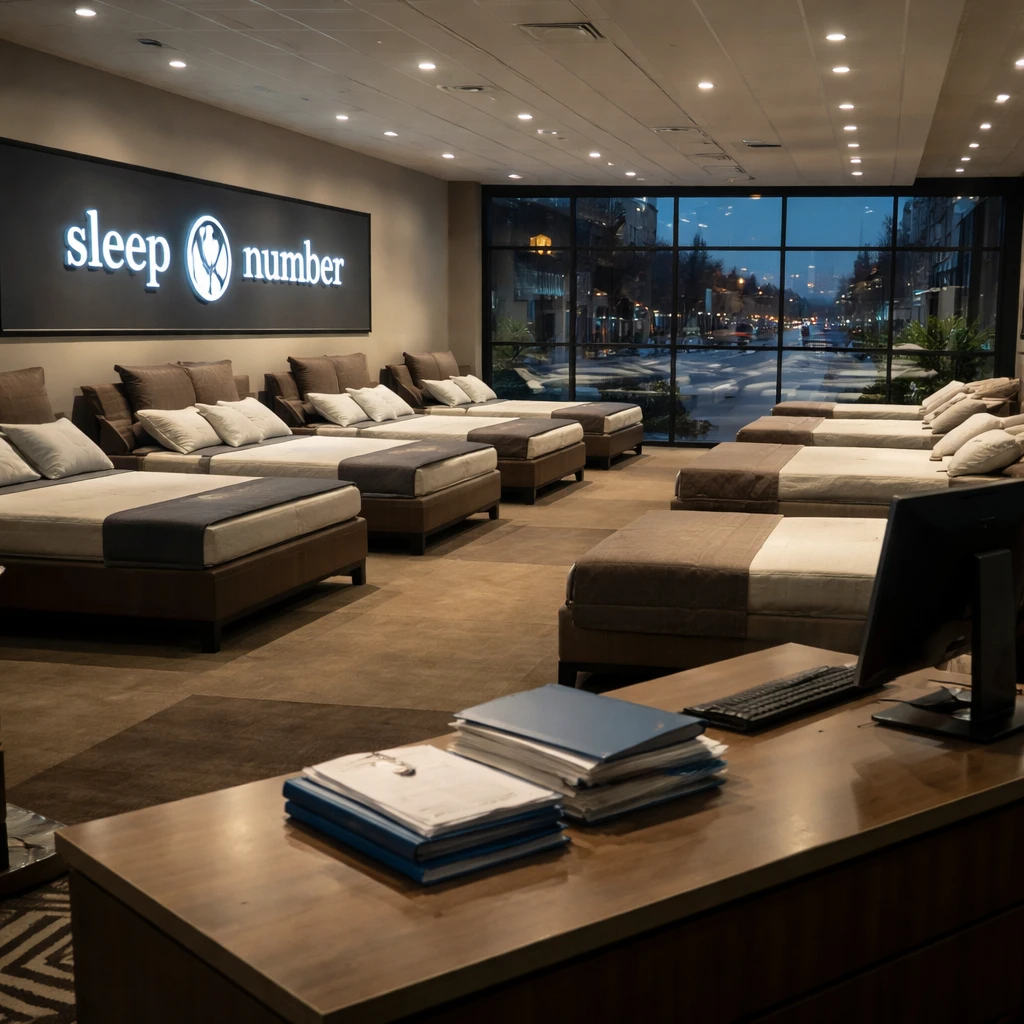
The company stated it will continue to serve customers throughout the proceedings. Stores are to remain open during regular hours, and online orders will be accepted via SleepNumber.com. Sleep Number additionally said it will continue assembling products in the United States following the closing of the transaction.
As part of its restructuring steps, Sleep Number filed a motion to reject leases for 44 non-operational locations that had already closed. The company is working with A&G Real Estate Partners to review its retail footprint and said it intends to retain as many profitable retail locations as possible.
Sleep Number also committed to maintaining payments and customer obligations during the Chapter 11 process. The company said it expects to pay employee wages and benefits without interruption, will pay suppliers for goods and services provided after the filing date, and will continue to honor warranties, gift cards, Sleep Number Reward points and store credits.
Key points:
- Sleep Number filed for Chapter 11 and agreed to a potential sale to Sleep Country Canada, triggering a 33.6% premarket stock drop.
- The sale process is court-supervised with Sleep Country Canada as the stalking-horse bidder but remains open to higher bids and requires court approval.
- The company expects up to $260 million in debtor-in-possession financing, including up to $65 million in new funds, to support operations during the bankruptcy process.
Risks and uncertainties:
- The proposed sale remains conditional on acceptance of higher offers, bankruptcy court approval and other closing requirements, introducing uncertainty into the outcome.
- Store footprint changes are underway; the company filed to reject leases for 44 already-closed locations and is reviewing its retail presence, which could lead to additional closures or restructuring of retail operations.
- The company’s ongoing operations rely on securing debtor-in-possession financing of up to $260 million, including up to $65 million in new financing, to provide liquidity through the bankruptcy process.
The company emphasized continuity of customer-facing services and financial obligations tied to wages, supplier payments after the filing date, and customer credits and warranties as it moves through the court-supervised sale process.