
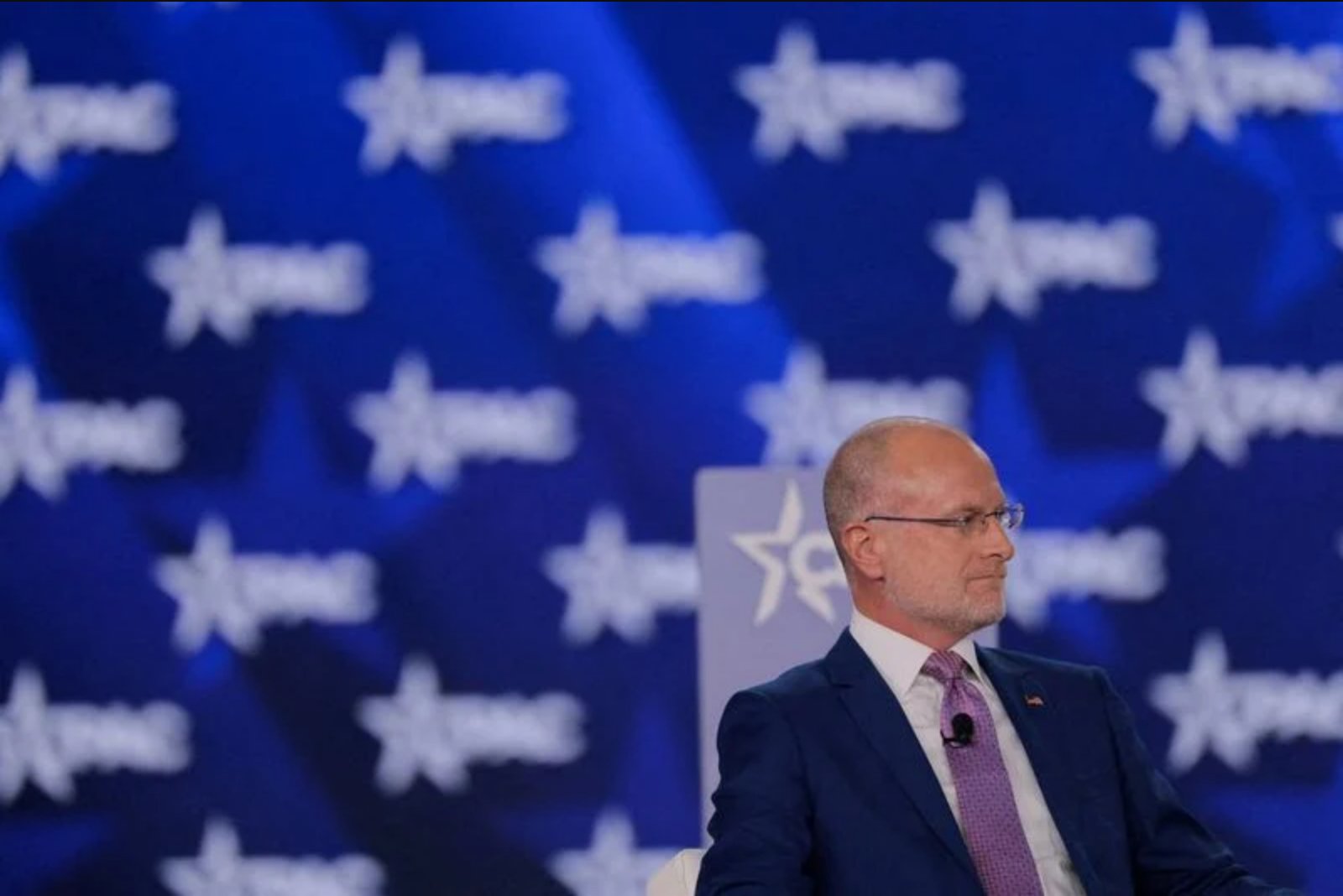
The Federal Communications Commission announced it will vote to remove a decades-old ownership limit that restricts a single broadcaster from reaching more than 39% of U.S. television households. The move was confirmed by FCC Chair Brendan Carr, who said the agency will adopt a discretionary, case-by-case framework to consider deals that would otherwise exceed the cap.
Proposal and rationale
Carr said the agency's new proposal would permit transactions that go beyond the 39% threshold only if the FCC determines, on a case-by-case basis, that the deal would serve the public interest. He set out these points in an essay published by the agency on Wednesday.
Under existing regulations, the ownership cap has been in place for roughly 85 years and counts certain stations with weaker over-the-air signals partially against a buyer's ownership total. The proposed approach would replace the bright-line percentage rule with individualized review.
Support and criticism
The National Association of Broadcasters welcomed the move, saying it recognizes that ownership rules applying solely to broadcasters are out of step with the current media landscape. Opponents, however, argue the change exceeds the FCC's authority and say only Congress can lift a statutory cap. Some critics also contend the shift risks concentrating local media ownership and diminishing viewpoint diversity.
"The cap reflects Congress' judgment that excessive concentration threatens competition, localism, and viewpoint diversity. It is not a suggestion. It is the law," said FCC Commissioner Anna Gomez, a Democrat.
Critics have additionally accused the chair of actions that, in their view, undermine broadcasters' free speech protections.
Context: Nexstar-Tegna transaction and legal challenges
The initiative is taking place against the backdrop of Nexstar's contested acquisition of local TV owner Tegna. In March the FCC approved the $3.54 billion sale of Tegna to Nexstar and waived the 39% rule in doing so. If the deal proceeds and is not overturned by the courts, Nexstar's footprint would expand to reach about 80% of U.S. television households.
A judge has paused the transaction while a legal challenge proceeds. The deal faced objections from Democratic-led states and has been a focal point for debates over consolidation and regulatory authority.
Political dynamics
President Donald Trump publicly expressed support for the Nexstar transaction in February. The chair has also faced pressure from the president on related licensing matters; Carr ordered an early license review of Disney's eight company-owned ABC stations after public pressure to revisit licenses for certain Comcast-owned NBC and ABC stations.
The FCC's forthcoming vote will determine whether the agency formally abandons the numerical cap and replaces it with a discretionary review process, but legal and political challenges mean the outcome and its practical effects remain uncertain.