
Economy July 15, 2026 01:00 PM

Fed Governor Cook Signals Readiness to Tighten Policy if Inflation Fails to Ease

Cook says she will give inflation a little more time to slow but stands ready to act, citing AI investment and geopolitical price pressures

By Hana Yamamoto
Share
Twitter Reddit Facebook LinkedIn

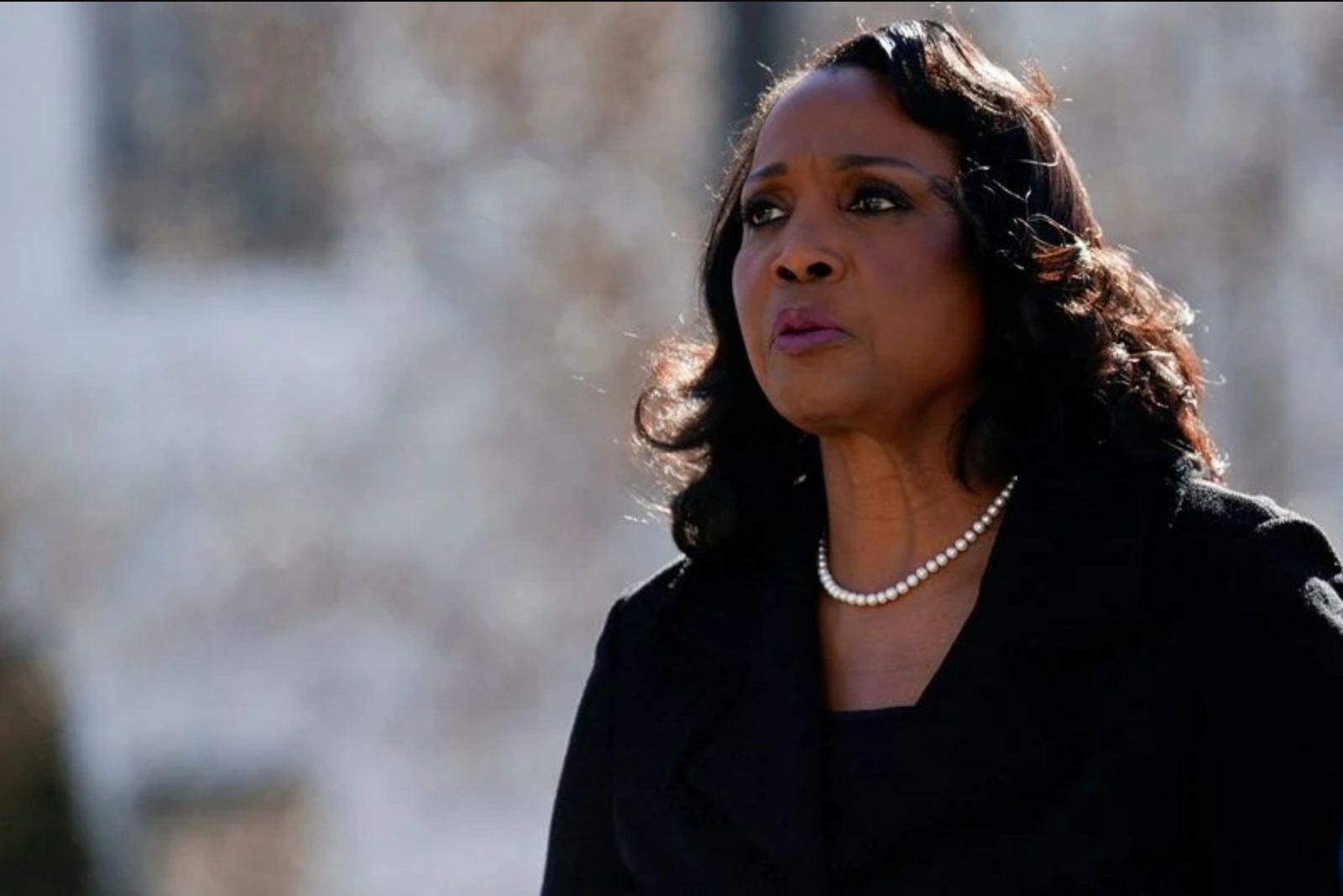
Federal Reserve Governor Lisa Cook said she is prepared to raise policy if inflation does not begin to slow soon, while allowing a brief window to observe incoming data. Cook highlighted risks tied to an investment boom around artificial intelligence, tariffs and price pressures stemming from the U.S. war with Iran. Her comments underscore a shift among policymakers toward prioritizing inflation risks even as some recent inflation reports were generally benign.

Fed Governor Cook Signals Readiness to Tighten Policy if Inflation Fails to Ease
Summarize with
ChatGPT Perplexity Claude Grok Gemini

Key Points

  • Fed Governor Lisa Cook is "prepared to act" on monetary policy if inflation does not slow soon - impacts financial markets and interest-rate sensitive sectors such as banking and housing.
  • Cook cited an AI-driven investment boom, tariffs and price pressures from the U.S. war with Iran as factors tilting risks toward higher inflation - relevant to technology, industrials and consumer goods sectors.
  • Fed officials remain divided but markets are pricing in a possible rate hike as soon as this fall; the Fed's next policy meeting is scheduled for July 28-29 - important for bond markets and corporate borrowing costs.

Federal Reserve Governor Lisa Cook said on Wednesday she is "prepared to act" if inflation does not begin to slow in the near term, while also indicating she is willing to wait "a bit more time" to see how price dynamics evolve.

Delivering remarks prepared for the Exchequer Club of Washington, D.C., Cook described it as "prudent to give a bit more time to observe how inflation unfolds from here." At the same time, she warned that "the risks continue to be strongly weighted toward higher inflation," attributing that tilt to an investment boom tied to artificial intelligence and to price pressures from tariffs and the U.S. war with Iran.

"If we do not see signs of disinflation soon, I am prepared to act," Cook said. "I am fully committed to reaching our inflation target, and this commitment is unwavering."

Cook drew a direct comparison between current conditions and those of roughly a year ago, noting a change in the balance of risks. With inflation running well above the Fed's 2% goal and the labor market appearing stable, she said the outlook has shifted from a period when employment risks and slowing inflation were more prominent.

"I see a notable shift in the balance of risks relative to a year or so ago, with inflation risks now outweighing employment risks," she said.

Her remarks come amid active debate among Fed officials about the prospect of another rate increase, a move market participants have been pricing in as possibly coming as soon as this fall. Fed Governor Christopher Waller also said this week that the central bank may need to act unless there is consistent evidence of slower inflation in the coming months.

The outlook for interest rates grew less certain this week after the U.S. government released two generally benign inflation reports. Those publications have complicated the near-term policy picture even as some Fed officials voice growing concern about upside inflationary pressures.

Adding to the calendar of monetary policy decisions, the Federal Reserve will hold its next policy meeting on July 28-29.


Cook's comments emphasize the central bank's continued focus on returning inflation to target. While she is affording policymakers "a bit more time" to evaluate incoming data, she left open the prospect of prompt action if disinflation does not become apparent.

Risks

  • Inflation may not show signs of disinflation soon, potentially prompting the Fed to raise rates - a risk to interest-rate sensitive assets and consumer credit conditions.
  • Upside price pressures stemming from an AI investment boom and tariffs, together with price effects linked to the U.S. war with Iran, could sustain higher inflation - a risk to corporate margins and consumer prices.
  • Mixed data - including two generally benign inflation reports - cloud the near-term outlook and increase policy uncertainty, affecting market volatility and corporate planning.

More from Economy

Peru’s May Growth Tumbles to 1.8%, Weakest Monthly Expansion in 2026 Jul 15, 2026 Truflation: June’s Cooler CPI Driven by One-Off Gasoline Drop, Risk of Swift Rebound Jul 15, 2026 Report Warns France’s Debt Path Will Worsen Without Swift Spending Restraint Jul 15, 2026 Banks Signal U.S. Consumer Resilience as Loan Balances Rise Jul 15, 2026 Stripe and Advent Pitch $53 Billion Rescue for PayPal, Leaving Upside and Risks on the Table Jul 15, 2026