
The U.S. National Park Service has taken down at least 51 exhibits across 37 parks and monuments in response to an executive directive from President Trump targeting displays it said "inappropriately disparage Americans past or living," according to an inventory the government submitted to a federal court.
The filing, produced at the behest of U.S. District Judge Angel Kelley of the Boston federal court, was ordered after groups representing national park conservationists, historians and scientists challenged the administration’s removals. In a ruling last Friday, Kelley found the government was engaging in an unlawful attempt to "rewrite the nation’s history with a white-out pen," and required officials to produce a list of items taken down.
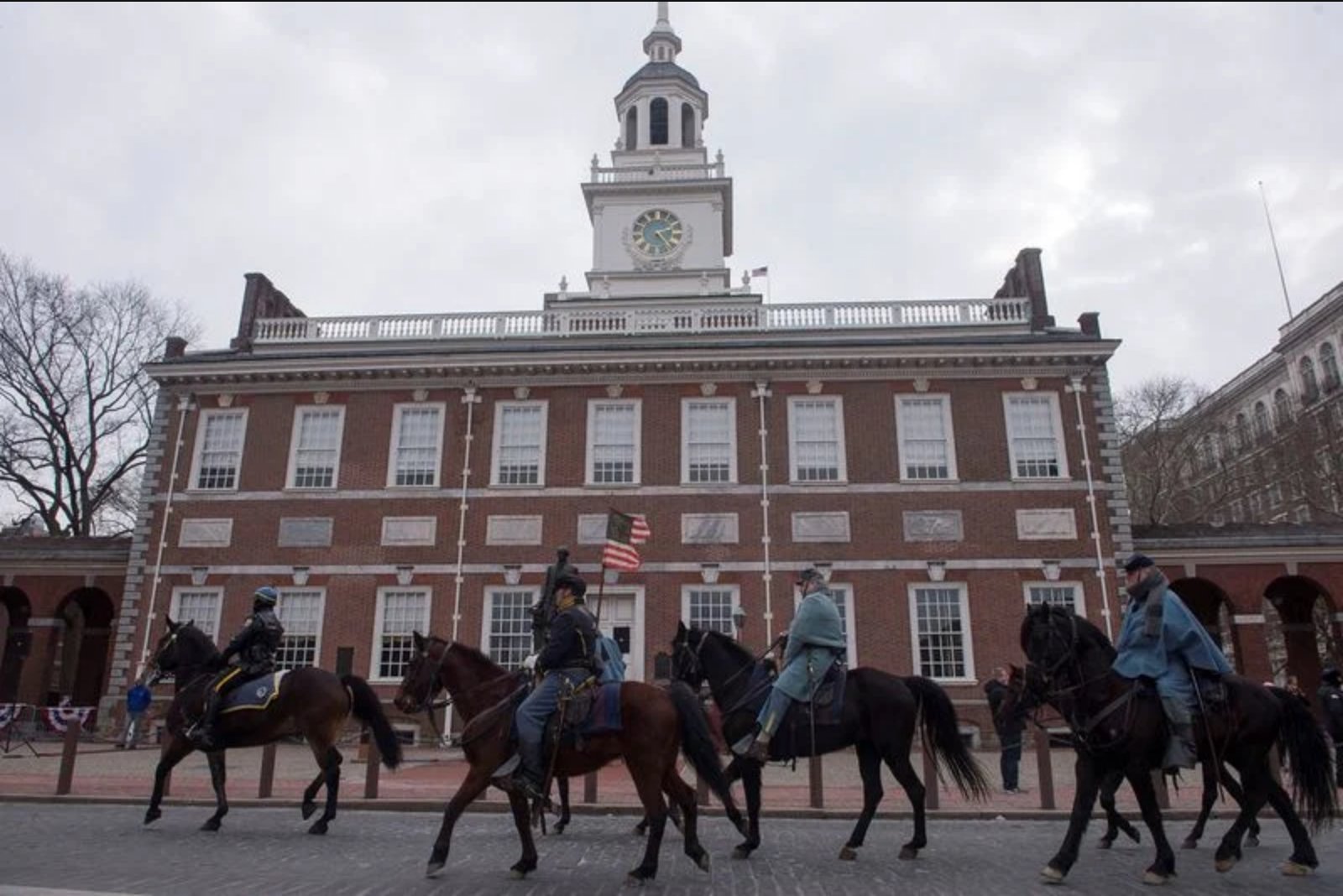
The spreadsheet the government turned over includes examples from a variety of sites. Among the specific instances cited is an exhibit at Independence National Historical Park in Philadelphia that described the first U.S. president George Washington’s ownership of enslaved people; that exhibit was on the list of removed items. The filings also show removals at Fort Sumter in South Carolina, the Jamaica Bay Wildlife Refuge at the Gateway National Recreation Area in New York, and Acadia National Park in Maine.
According to the court record, materials addressing climate change were removed at Fort Sumter, Jamaica Bay and Acadia. The inventory states these materials were discarded on the basis that they did not relate to the "beauty, abundance, and grandeur of the natural landscape."
Judge Kelley’s order to produce the inventory came as part of the litigation over the administration’s March 2025 directive, which sought changes across the National Park Service. That directive, issued by President Trump, targeted what it described as a "revisionist movement" that portrayed the United States as "inherently racist, sexist, oppressive or otherwise irredeemably flawed," and directed the Interior Department to make nationwide adjustments to exhibits and interpretive content.
Those opposing the directive argued the actions violated laws governing how the National Park Service operates. The groups behind the challenge include organizations representing conservationists, historians and scientists; they say the removals amounted to an unlawful alteration of park content. Counsel for the plaintiffs did not immediately reply to requests for comment, according to the court docket.
In a separate government filing, administration lawyers described Judge Kelley’s order that removed exhibits be reinstalled by July 3 - the day before the country’s 250th anniversary - as a "herculean and unmanageable task." The administration has asked the court to stay that deadline while it appeals Kelley’s decision, which also blocked Interior Secretary Doug Burgum’s implementation of the president’s directive.
A National Park Service official accompanying the inventory told the court the list is likely incomplete, noting that not every item flagged for removal has necessarily been taken down yet. That caveat aligns with an earlier disclosure by Judge Kelley that an internal National Park Service database, leaked by anonymous civil servants in March, identified more than 500 items for review for potential removal.
Separately, the agency said it included six items removed from a 38th park on the filed list, but that those removals were made pursuant to a different executive order by the president. The filings do not provide a comprehensive accounting of all items under review or the ultimate disposition of material not yet removed.
The court-ordered inventory underscores the scope of changes the administration has pushed within the National Park Service and amplifies legal and operational questions about how parks present history and science to the public. With an appeal pending and a partial inventory in the public record, the litigation is likely to continue to shape how park exhibits are managed in the near term.
Relevant procedural details
- Judge Angel Kelley of the U.S. District Court for the District of Massachusetts ordered the government to produce a list of removed items.
- The inventory filed by the administration lists at least 51 removed exhibits across 37 sites.
- The administration has asked for a stay of the judge’s order requiring reinstallation of exhibits by July 3 while it appeals.