
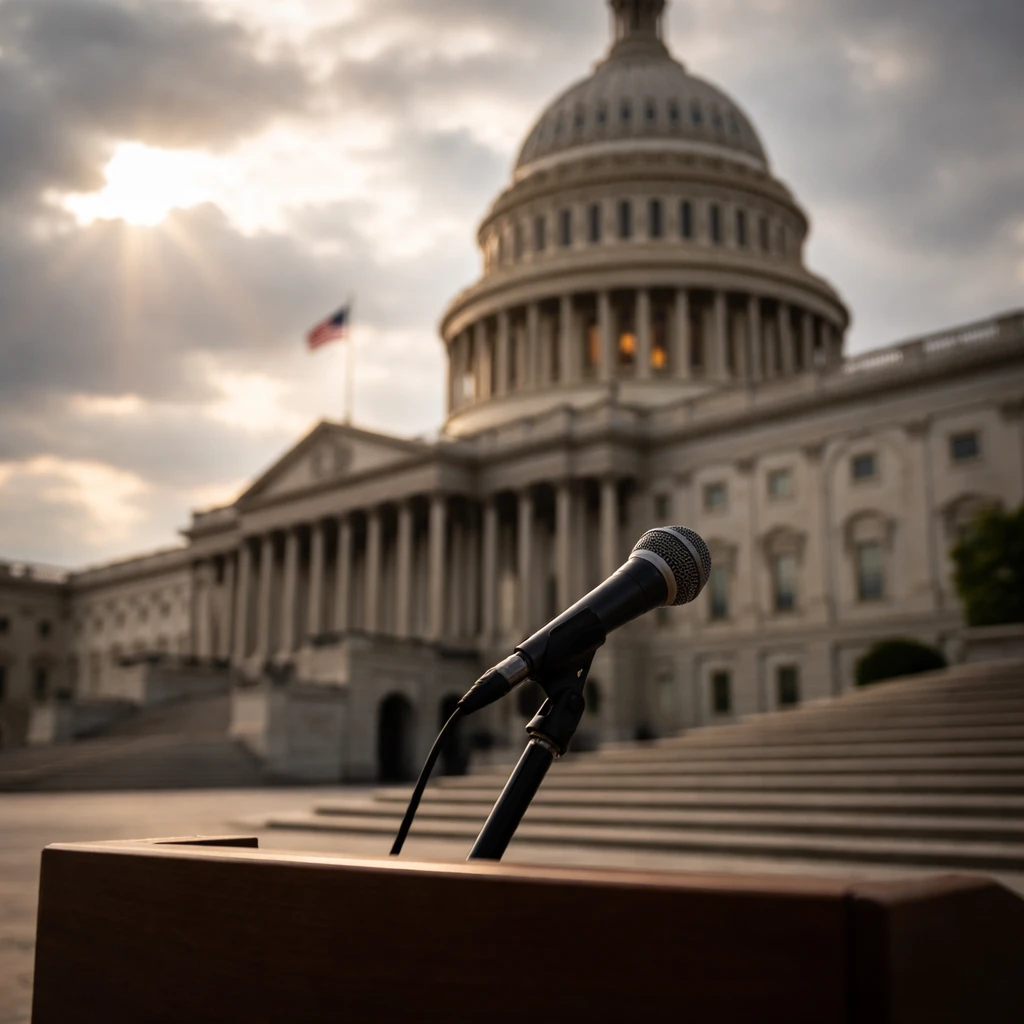
WASHINGTON, Aug 4 - A House congressional ethics panel said on Tuesday it has begun examining allegations against Republican Representative Max Miller after he requested an investigation to rebut claims made by his ex-wife.
The committee said it is "reviewing allegations that Representative Max Miller may have engaged in domestic violence and abuse or illegal drug use in violation of the Code of Official Conduct or any other applicable standard of conduct." Miller, who has denied the allegations, has said he will remain a candidate in the race for Ohio's 7th Congressional District.
If Miller withdraws from the contest, state law requires Ohio Republicans to name a replacement candidate by August 10.
The accusations surfaced publicly over the weekend when Emily Moreno, Miller's former wife, alleged he burned her with boiling water and physically abused her and their toddler daughter. Miller has disputed Moreno's account and pushed back in a recorded video, and in a post on X stated, "I have absolutely nothing to hide." He said he would submit all relevant documents to the committee for review.
On Sunday, U.S. Senator Bernie Moreno, an Ohio Republican and the father of Emily Moreno, wrote that Miller represented "a danger" to his ex-wife and said Miller should not serve in Congress. Senator Moreno said he had hoped to keep the matter private but that Miller's "increasingly erratic and dangerous behavior has made that impossible." Emily Moreno and Miller divorced last year.
President Donald Trump, who employed Miller as a senior aide during his first administration, commented on Monday that the situation was "a very sad thing" and suggested it was a private family matter, saying he knew Miller and considered him "a good person." Both Miller and the Morenos have benefited politically from close ties to Trump.
The allegations have the potential to change the electoral dynamics in a district that had been viewed as safely Republican, creating a possible opportunity for Democrats in the November midterm elections. Nationally, Democrats need to flip only a small number of seats to regain control of the U.S. House of Representatives; Republicans currently hold a 218 to 214 majority, with three vacancies.
Earlier, Miller said he would file formal paperwork to trigger an ethics investigation as part of an effort to clear his name. The committee's announcement confirms it is undertaking a review of the matters raised. Miller has said he will cooperate by providing requested documentation to the committee.
Summary
The House ethics panel has opened a probe into Representative Max Miller after abuse and illegal drug use allegations were made by his ex-wife. Miller has denied the claims, requested the inquiry to clear his name, and remains in the race for Ohio's 7th Congressional District amid public criticism from family members and comment from former President Trump.
Key points
- The ethics committee is reviewing allegations that Miller may have engaged in domestic violence, abuse, or illegal drug use in violation of conduct rules - potential reputational and legal risk for the representative.
- Miller requested an ethics investigation himself and says he will provide documents to the committee; he also denies the allegations and remains a candidate for reelection in Ohio's 7th District.
- Public statements by Senator Bernie Moreno, who called Miller "a danger" to his daughter, and a comment from President Trump increase political attention; the matter could affect House control calculations ahead of the midterms.
Risks and uncertainties
- Electoral risk - The allegations could force Miller to withdraw or weaken the incumbent's campaign, putting a previously safe Republican seat at greater risk of flipping, which has implications for overall House control.
- Reputational and investigatory uncertainty - The ethics committee's review may lead to further findings or actions depending on documents and evidence, creating ongoing political and legal uncertainty for Miller.
- Party logistics risk - If Miller exits the race, Republicans must meet an August 10 deadline to name a replacement candidate in Ohio, compressing the timeline for candidate selection and campaign organization.
Note: This report is based solely on statements and events described in official committee language and public remarks attributed to the individuals involved.