
Fertilizer costs in the United States have surged as diminishing ammonia exports from Trinidad and Tobago compound an already tight global market. The uptick in prices is increasing expenses for farmers, coinciding with a period of high diesel costs during the autumn harvest and disappointing Chinese demand for U.S. crops and meat, factors that together amplify stress on food producers and create political exposure for Republican candidates in the farm belt ahead of Tuesday's midterm elections.
Industry analysts report a steep rise in Midwest ammonia prices, which climbed by more than 30% between late June and early October, moving from approximately $600 per short ton to about $800 per short ton. Prices have continued to climb since then, reaching roughly $875 per short ton, according to Justin Ratcliff, principal North American fertilizer analyst at commodities consultancy CRU. Ammonia, a primary feedstock for nitrogen fertilizer, is an essential input for corn and other crops, so such price movements directly affect farm economics.
The current tightening reflects a mix of global supply shocks and a long-term decline in production from Trinidad and Tobago, a country that has historically been a major supplier of ammonia to the United States. Trinidad is the second-largest ammonia supplier to the U.S. after Canada, but its output capabilities have been constrained by shortages of the natural gas used to manufacture ammonia. That gas shortfall is attributed to aging fields and limited new discoveries, factors that have eroded production capacity.
Compounding those structural issues, analysts expect constraints to intensify after Nutrien, a major fertilizer producer, indefinitely shut down its nitrogen operations in Trinidad last month, citing continuing gas supply problems. The loss of operations from a major producer reduces available tons at a time when the global market is already tight.
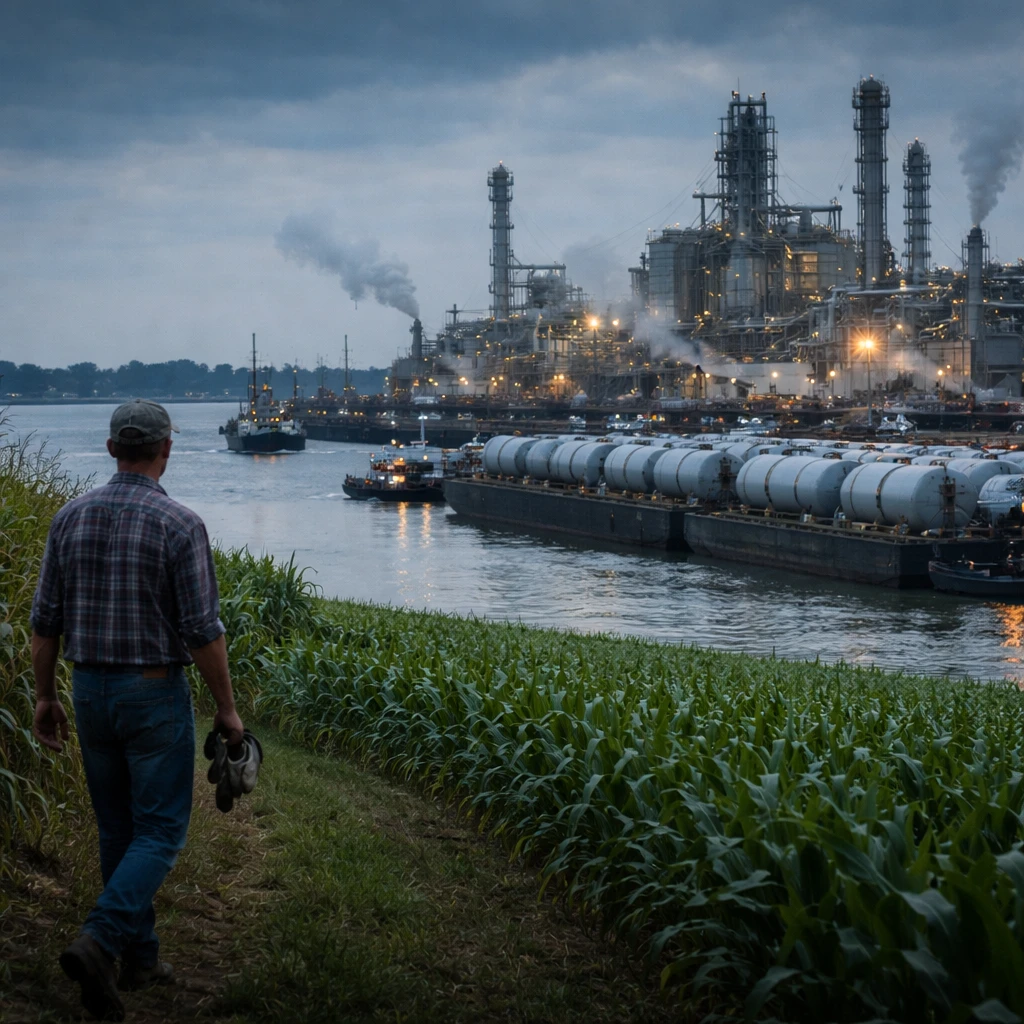
Much of the U.S. supply of anhydrous ammonia has historically moved from Trinidad into the Gulf of Mexico and then by barge up U.S. river systems to reach farmers, according to Josh Linville, vice president of fertilizers at consultancy StoneX. When supply disappears from one source and the market is already strained, the effect ripples across the fertilizer supply chain, limiting tonnage available for redistribution.
Ammonia imports from Trinidad into the United States have fallen by about 34% this year, Veronica Nigh, chief economist at The Fertilizer Institute, said. "Normally we would expect to see that backfilled with tons from other locations, which is what we saw last year," she added. "We just haven’t seen that this year." That lack of replacement tonnage has left U.S. buyers more exposed to price swings and logistical challenges.
Over the last decade the United States has reduced its dependence on Trinidadian ammonia through an expansion in domestic production. However, operational issues at some of the newer U.S. plants have limited the industry’s capacity to compensate for the decline in imports, Ratcliff said, leaving the market more vulnerable when a key foreign supplier falters.
The economic pressure on growers is intersecting with political developments. President Donald Trump announced an $8 billion support package last month aimed at offsetting diesel costs for farmers. Despite that targeted relief, farm groups in states including Iowa, Ohio and Texas warned the administration in a recent letter that rising fertilizer costs are eroding the intended impact of the diesel support as ammonia demand peaks during the autumn application season.
Sector impact and context
The fertilizer supply tightness affects farm economics directly by increasing input costs for corn and other crops. It also touches freight and fuel sectors because of the role of barging and diesel in moving and applying fertilizer. Broader agricultural markets may feel secondary pressure as producers manage higher costs amid weaker export demand.