
Stock Markets October 31, 2026 09:43 AM

Russia Keeps Broad Diesel Export Ban in Place Through January, Keeps Narrow Exemptions

Government confirms decree signed to support domestic fuel stability while allowing limited overseas shipments under carve-outs

By Sofia Navarro
Share
Twitter Reddit Facebook LinkedIn
LGO

The Russian government has extended a general ban on diesel exports by domestic producers until the end of January, while preserving targeted exemptions that permit some suppliers to ship limited volumes abroad. Officials say the step is aimed at stabilizing the domestic fuel market; the formal decree has been signed but not yet published. Authorities expect a substantial rise in exports in November under the limited exemptions, though Ukrainian strikes on refineries are noted as a potential, but likely limited, risk to volumes.

Russia Keeps Broad Diesel Export Ban in Place Through January, Keeps Narrow Exemptions
LGO
Summarize with
ChatGPT Perplexity Claude Grok Gemini

Key Points

  • Russia extended a general ban on diesel exports by domestic producers through the end of January while maintaining targeted exemptions for select suppliers.
  • Deputy Prime Minister Alexander Novak said exemptions introduced in October are being prepared to remain in place in November, enabling limited shipments abroad.
  • Moscow anticipates diesel exports of about 2.15 million metric tons in November versus roughly 510,000 tons shipped in the current month; four tankers had left Baltic ports by late October.

Russia has moved to prolong its broad prohibition on diesel sales abroad by domestic producers through the end of January, while keeping in place narrowly drawn exceptions that will allow certain suppliers to continue limited shipments to foreign buyers.

In a government statement released on Saturday, officials said the measure was taken to preserve stability in the domestic fuel market and that a corresponding decree had been signed. The text of that decree was not made public with the announcement.

Deputy Prime Minister Alexander Novak indicated on Friday that the government has been preparing exemptions for a select group of suppliers, enabling constrained diesel exports despite the overarching restriction. Comparable exemptions were put in place in October and are expected to continue into November, Novak said.

Officials in Moscow also loosened certain export controls earlier in the month after U.S. President Donald Trump reportedly said he was coordinating with Russian President Vladimir Putin to help reintegrate Russian diesel supplies into global markets. That development preceded the continuation of the targeted carve-outs.

On volumes, Novak set out expectations that diesel exports will rise sharply in November under the limited-export framework, forecasting shipments around 2.15 million metric tons. That compares with roughly 510,000 tons that he said were shipped in the current month under the tighter restrictions.

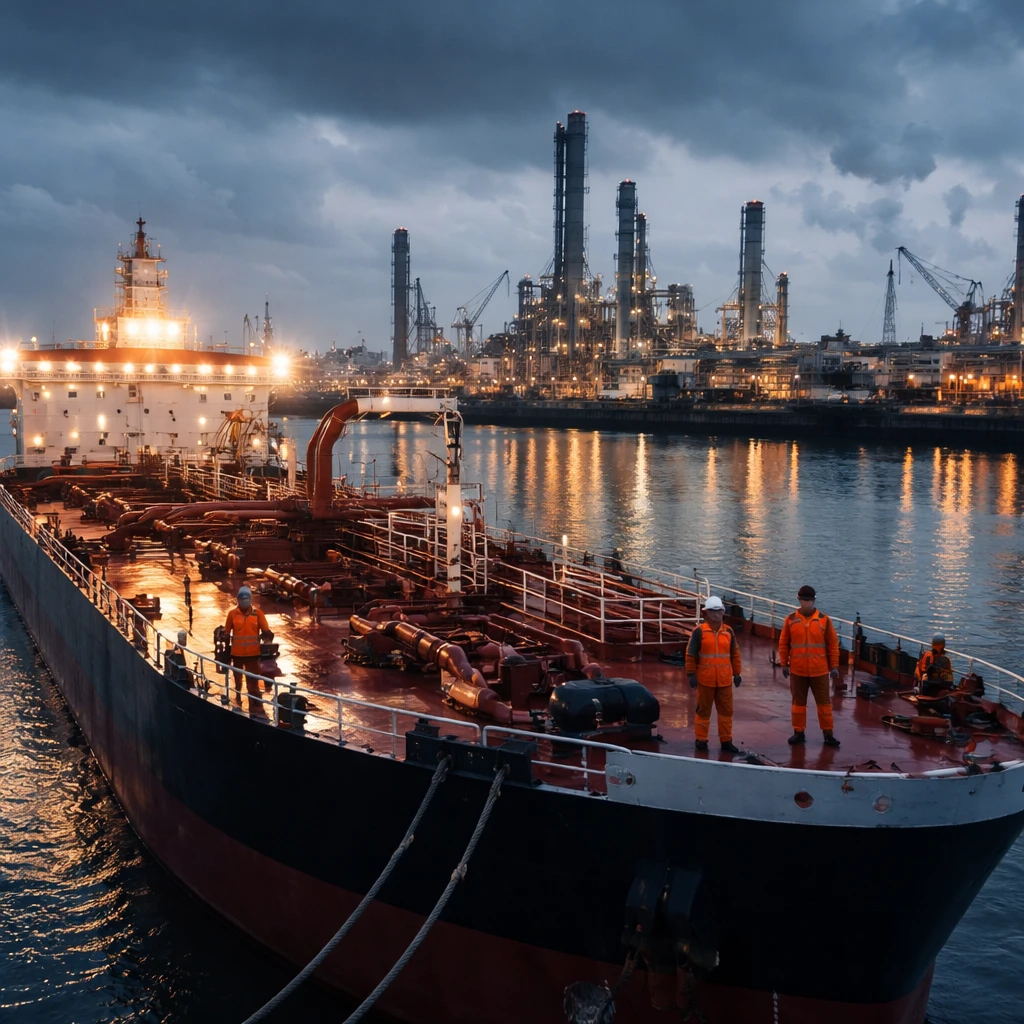
Novak noted that Ukrainian strikes on Russian refineries could affect export volumes, but said the impact was unlikely to be significant. As an indicator of the constrained flows under current rules, Novak said four tankers loaded with Russian diesel had left Baltic ports by late October.


Context for markets and industry participants

The extension keeps a generally tight supply posture for diesel stemming from domestic policy, while the exemptions provide a channel for some continued international flows. Energy traders, fuel-intensive industries, and shipping lines that handle product tankers are among the sectors likely to monitor implementation closely as export permissions are allocated and as actual shipment volumes are recorded.

Risks

  • Ukrainian attacks on Russian refineries could reduce export volumes - this risk affects energy producers and shipping firms moving diesel.
  • Uncertainty around the content and timing of the signed decree - this could create short-term operational and planning risks for exporters and buyers in energy and fuel markets.
  • Limited export channels via exemptions may keep global diesel supply flows constrained, which could influence energy trading and fuel-dependent industries.

More from Stock Markets

AIA Shares Rise as Q3 Results Show Durable New-Business Momentum Oct 30, 2026 Fortinet Plunges After Q3; Is the Drop an Entry Point or a Reset? Oct 29, 2026 Citi Flags One of the Sharpest Defensive Rotations in European Equities Oct 29, 2026 Marvell Slides as Alphabet Shortfall and Lumentum Deal Talks Darken Sentiment Oct 29, 2026 DoorDash to Acquire Instacart in $17 Billion Move to Bolster Grocery Delivery Footprint Oct 29, 2026