
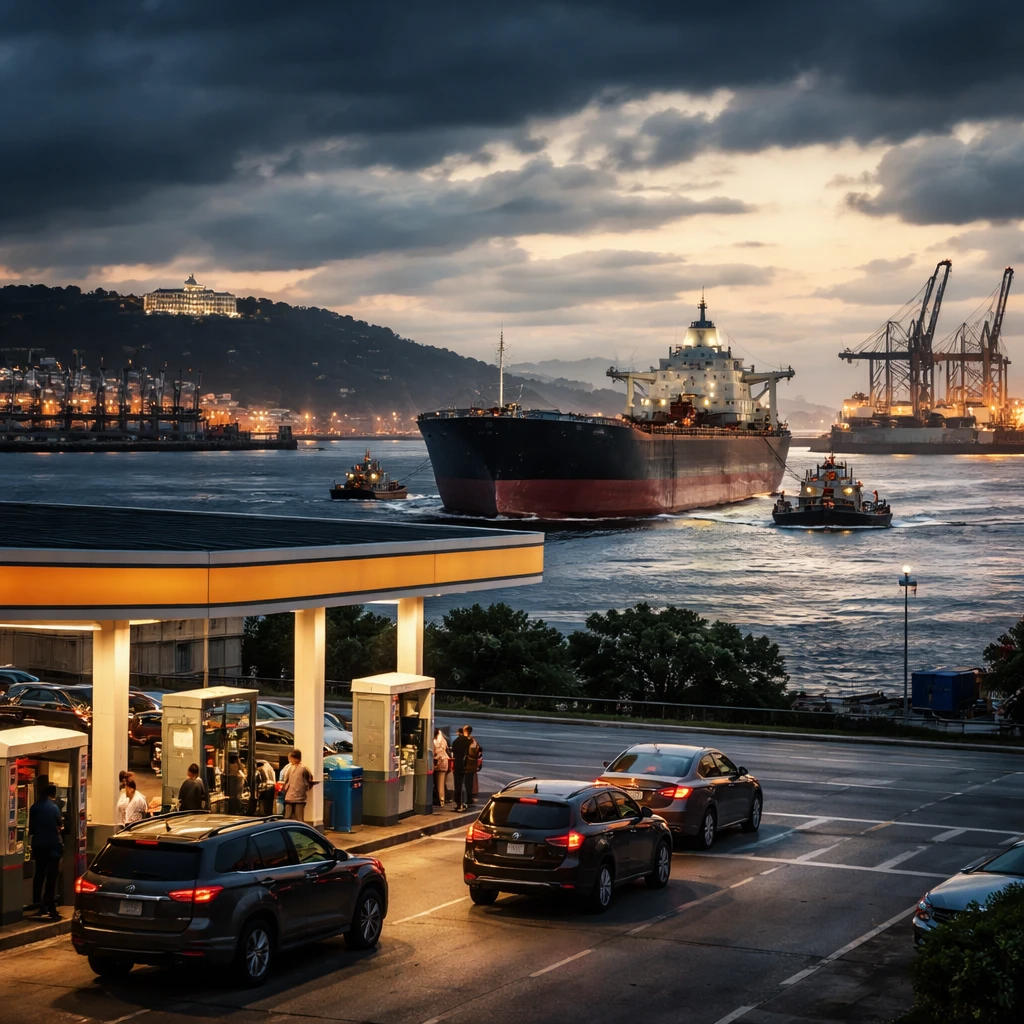
The administration is preparing to extend a temporary waiver of the Jones Act in the coming days, according to people familiar with deliberations, using the measure as one of the limited policy levers available to try to contain gasoline prices. The waiver, which relaxes a century-old law that requires cargo traveling between U.S. ports to move on U.S.-built, -owned and -crewed vessels, is intended to ease transport bottlenecks and broaden options for moving fuel domestically.
Officials in the administration have been meeting with maritime industry representatives and members of Congress to discuss potential adjustments to the waiver that would narrow its scope while keeping enough flexibility to sustain delivery of critical fuel supplies, the sources said. Those people requested anonymity because they were not authorized to comment publicly. No final decision has been announced and details could change, the sources added.
The current waiver is scheduled to expire on August 16. It already represents the longest suspension of Jones Act restrictions under the program and has been invoked nearly 200 times over a roughly four and a half month period ending in July, according to U.S. government data.
With average U.S. gasoline prices above $4 a gallon and the November midterm elections approaching, the administration has limited policy options to push retail gasoline costs lower. In recent weeks the White House has pursued measures to raise oil supplies and grant regulatory flexibility, while President Donald Trump has publically pressed large oil producers, naming Exxon Mobil and Chevron, criticizing them for making "too much money" and urging they return savings to consumers at the pump.
Industry observers say available options to materially lower pump prices are constrained. Bob McNally, president of Rapidan Energy Group, told officials the most powerful lever would be pressing Saudi Arabia to raise output. That path is not feasible at present, McNally said, because exports are constrained by disruptions near the Strait of Hormuz tied to the Iran conflict. Other ideas floated - including a windfall profits tax, gasoline price controls or legal action against oil companies - are, in his view, either politically impractical, economically risky or unlikely to meaningfully reduce prices.
McNally also said a Jones Act waiver can increase the pool of tankers available to move fuel domestically, but that the expected reduction in gasoline prices would likely amount to only pennies per gallon.
Pushback and oversight
The proposed extension has drawn critics who want geographic limits on where waiver-related shipments can travel and tighter vetting for each move. High-level White House figures including trade adviser Peter Navarro, Office of Management and Budget Director Russell Vought and members of the White House Energy Dominance Council have been part of internal conversations about the waiver, according to sources familiar with the deliberations.
Key Republican lawmakers have also urged caution. House Speaker Mike Johnson and House Majority Leader Steve Scalise, among others, have called on the administration to limit the exemption, warning that broad usage could weaken the U.S. domestic fleet and undermine the national security objectives the Jones Act is intended to protect.
A White House official said the administration continued to monitor how the waiver is being used and that any further announcements would come from the president or other administration officials.
Industry response
Maritime groups opposing a broad extension have stepped up their campaign. The American Maritime Partnership resumed broadcast advertising on national cable networks and, together with the American Waterways Operators, has been running digital advertisements objecting to the waiver. AMP President Jennifer Carpenter argued the exemption has favored foreign operators and energy companies more than U.S. consumers, saying it "has shifted routine domestic commerce to foreign operators, including entities linked to China and Russia, while undermining the U.S. maritime industrial base."
At the same time, oil market indicators reflected recent volatility and headline-driven pressure on major oil producers. Market tickers referenced in discussions show modest declines for Chevron and Exxon Mobil amid the heightened scrutiny.
The deliberations highlight the trade-offs policymakers face: using a regulatory waiver to increase short-term shipping flexibility and potentially nudge retail fuel prices lower, while managing concern from maritime stakeholders and national security-minded lawmakers about the longer-term consequences for the domestic fleet. Administration officials continue to weigh avenues that preserve critical fuel flows while responding to political pressure to ease consumer pain at the pump.