
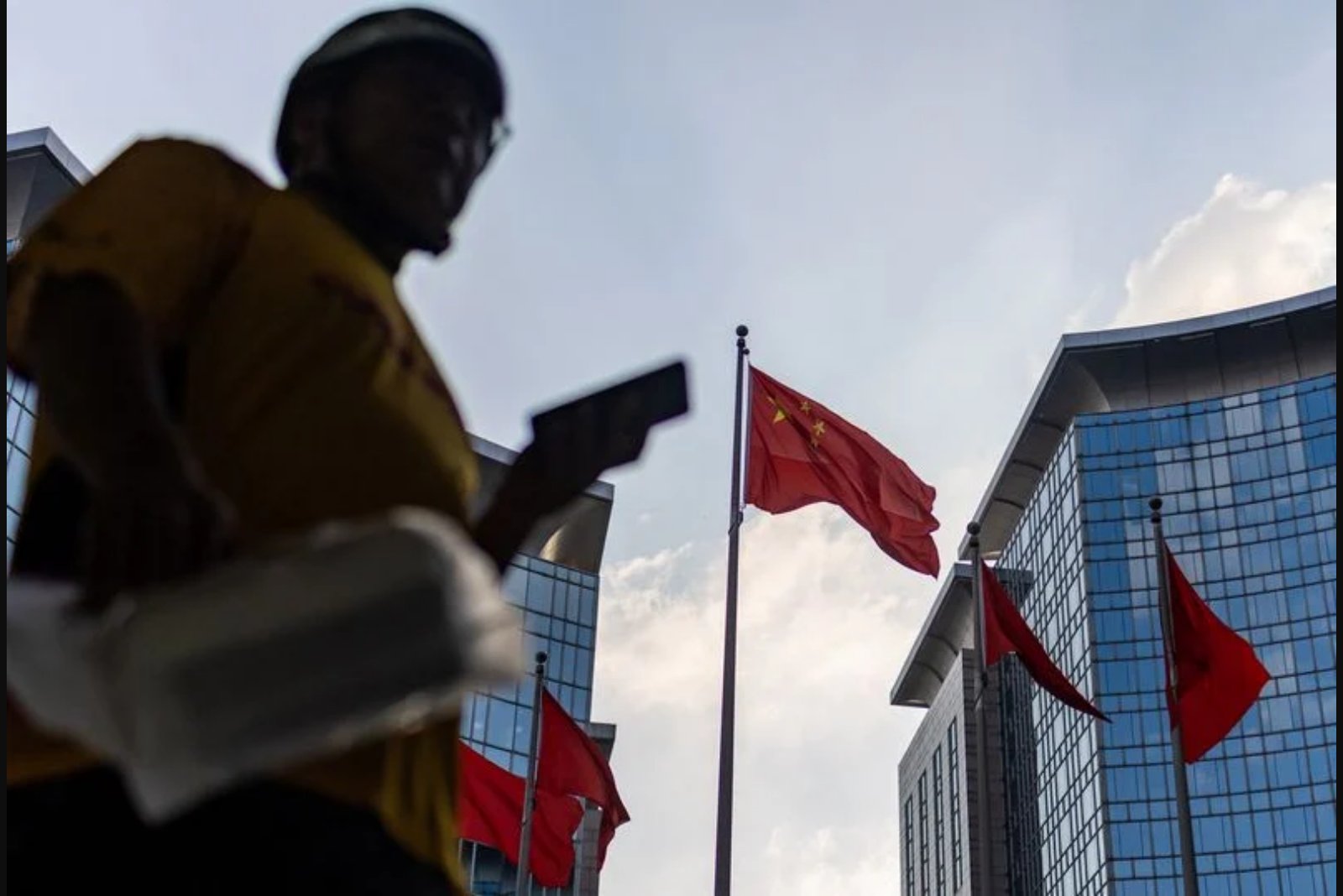
Jack Chen had never missed a repayment since he began taking small loans during his internship. Now, at 27, the telecoms maintenance worker from Jiangsu province finds a red flag on his credit report and faces rejections when he tries to apply for new credit. After his employer cut pay and eliminated a fuel allowance this year, Chen is confronting roughly 140,000 yuan ($20,685) of outstanding obligations across credit cards, online lending and a car loan - a debt burden comparable to about a year of his wages. "The debt just kept rolling over and getting bigger," he said, noting that his household spending had been pared back to food, rent and fuel.
Chen's experience is becoming more common as a worsening labour market and an extended property slump weigh on household finances. Consumer loan defaults have climbed to record levels, and analysts warn the problem could deepen, particularly among lower-income borrowers. The rise in household distress is occurring at a time when Beijing has been pressing for increased borrowing and spending to steer the uneven economic recovery back toward domestic consumption.
Economic backdrop and policy intent
Official figures showed the economy expanded at its slowest rate in more than three years in the second quarter, as weak consumer demand undermined otherwise resilient manufacturing and export performance. Authorities including the central bank have repeatedly urged commercial banks to step up lending to households and businesses, but lenders have generally pushed back, tightening underwriting standards to shield themselves from an expanding pool of bad debt.
Recent data indicate the retail lending market is flagging: short-term household loans contracted 7% year-on-year last month, according to official releases. The People’s Bank of China and the National Financial Regulatory Administration did not immediately respond to requests for comment.
Who is borrowing and why risks are mounting
Banks and analysts say much of the recent demand for credit is concentrated among less creditworthy borrowers, while more creditworthy consumers have been cutting back on credit card usage. "More creditworthy customers are reducing credit card usage," said Nicholas Zhu, a banking analyst at Moody's. "Less creditworthy consumers remain active borrowers, leading to higher asset risks for lenders."
Research by Gavekal Dragonomics shows households' stock of non-performing loans swelled by more than one-fifth last year, reaching 2.22 trillion yuan ($324.50 billion). That total, which equates to roughly 1.6% of GDP, implies as many as one in ten Chinese adults fell behind on debt payments in 2025, the researcher said.
Bankers attribute much of the jump in bad consumer debt to a loosening of credit supply last year intended to bolster consumption. One loan officer at a mid-sized Chinese lender said the bank revised its consumer loan risk model this year to place more weight on salary income after encountering high default rates on loans that had relied more heavily on property ownership and other fixed assets when assessing borrowers.
How banks are responding
Faced with rising delinquencies, lenders are attempting to manage credit stress without immediately classifying loans as non-performing. Sources in the banking sector say institutions are increasingly offering restructuring, payment extensions or time for borrowers to sell property rather than moving quickly to register new NPLs.
"We communicate with customers first. If they can’t repay the principal, we ask if they can pay interest, or even partial interest. If so, the loan won’t be classified as non-performing," said an employee of a joint-stock bank. "Currently, the situation with overdue retail loans is very serious." Banking-sector sources declined to be named because they were not authorised to speak publicly.
Analysts caution that lenders with large portfolios of unsecured consumer credit are especially exposed as defaults rise. All five major state-owned banks reported higher personal loan NPL ratios last year, with Bank of Communications recording the steepest increase among them - up 0.5 percentage point to 1.58%. China Merchants Bank, regarded as a leading retail lender, registered a personal loan NPL ratio of 1.14% in the first quarter of this year, up 0.13 percentage point year-on-year. Its credit card delinquency ratio reached 1.90% in the first quarter, an increase of 0.15 percentage point.
While the reported ratios remain modest in absolute terms, analysts widely regard actual non-performing loans as higher than the figures disclosed by banks.
Policy incentives and household reluctance
Despite growing losses, Beijing has continued to incentivise borrowing. Earlier this year authorities tripled the subsidy cap per borrower to 3,000 yuan and broadened eligibility to include credit card instalment plans. Still, not all consumers are taking up the offers.
"I've repeatedly declined telephone sales pitches from China Merchants Bank in recent weeks to take advantage of the subsidies by converting my card payments," said Susan Wu, a 28-year-old office worker in Guangzhou. She said she has never used instalments before and does not want the hassle of keeping and saving all the receipts.
Some economists argue the constraints on consumption go beyond the credit channel. TS Lombard economist Minxiong Liao said the key factors limiting spending are weak income growth, unequal income distribution and insufficient social safety nets that prompt households to save precautionarily. "Pushing cheaper consumer credit at households whose incomes aren’t growing risks adding to the delinquency problem," he said.
Implications for markets and sectors
- Rising consumer delinquencies increase asset risk for retail lenders, particularly those with sizeable unsecured loan books.
- Weak household spending undermines retailers, services and other sectors dependent on domestic consumption.
- The property sector's prolonged weakness continues to weigh on household balance sheets and the banks that have exposure to mortgage- and property-related lending.
As Beijing balances efforts to spur consumption with financial-stability concerns, lenders and policymakers face the challenge of preventing a cycle in which increased credit availability for lower-income households simply feeds higher defaults. ($1 = 6.7682 Chinese yuan)